1915 · Approximately 10-12 minutes

Also available on: Archive.org
Fatty’s Faithful Fido

Fatty’s Faithful Fido

1915 Approximately 10-12 minutes United States
Romantic rivalryRevenge gone wrongLoyalty and mischiefComic violenceEscalation of petty conflict

Plot

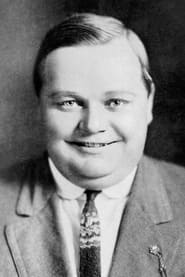
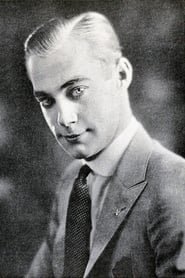
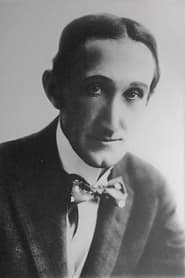
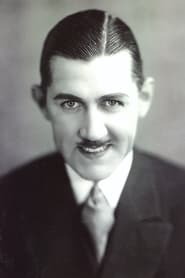
In this short Keystone comedy, Fatty Arbuckle and Al St. John are both rivals for the attention of Minta Durfee’s character, and their competition quickly escalates into the sort of escalating slapstick that defined Arbuckle’s early films. Fatty uses his loyal dog to intimidate Al, setting off a chain reaction of retaliation when Al decides to get even by arranging for two rough thugs to rough Fatty up. The scheme, however, backfires in the anarchic Keystone manner, with the conspirators finding themselves caught in the chaos they helped create. As in many one-reel comedies of the period, the plot is less about narrative complexity than about a series of comic reversals, chase beats, and physical gags that end with the tricksters undone. The title’s reference to the dog is central to the action, and the animal’s loyalty becomes part of the joke as well as the mechanism that drives the misunderstandings and reprisals.

About the Production

Release Date 1915-12-20
Production Keystone Film Company
Filmed In Los Angeles, California, USA

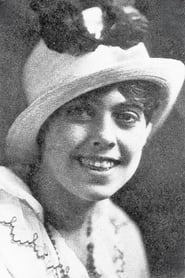
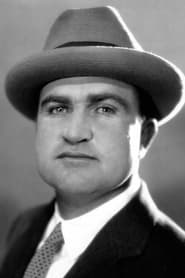
This is an early Keystone one-reel comedy from the period when Roscoe "Fatty" Arbuckle was both a leading comic performer and, increasingly, a director of his own shorts. Like many Keystone productions of 1915, it was made quickly, economically, and with an emphasis on improvisational-looking physical comedy rather than elaborate set construction. Surviving documentation on the production is limited, so detailed records such as exact budget, full crew lists, or extensive shooting notes are generally unavailable. The film is also notable for featuring Minta Durfee, Arbuckle’s wife at the time, alongside Al St. John, both of whom appeared frequently in Arbuckle’s comic repertory.

Historical Background

The film was made in 1915, a pivotal year in the American film industry as feature-length productions were becoming increasingly important while short comedies remained extremely popular with mass audiences. Keystone, founded by Mack Sennett, had become synonymous with fast, anarchic slapstick, and Arbuckle was one of its biggest stars during this transitional period in cinema history. The production reflects a moment when silent comedy was still heavily rooted in physical performance, minimal intertitles, and immediate visual readability, with dogs, thugs, and romantic rivals serving as efficient comic shorthand. Historically, the film also belongs to the last phase of Arbuckle’s early Keystone work before he moved toward more refined directorial and starring vehicles that would deepen his reputation as one of silent comedy’s great talents.

Why This Film Matters

While not one of the best-known Arbuckle titles, Fatty’s Faithful Fido is culturally important as part of the body of work that helped define American slapstick comedy in the 1910s. It represents the kind of short-form comic construction that influenced later screen comedians through its use of reversal, escalation, and a world where physical action overrides realism. The film also contributes to understanding Arbuckle’s development as a director and performer before his later fame and the tragic controversies that overshadowed much of his reputation in film history. For scholars of silent cinema, it is valuable as an example of Keystone’s industrial comedy system and the way recurring performers built recognizable comic personas across a rapid production schedule.

Making Of

Fatty’s Faithful Fido was produced in the fast-turnaround environment of Keystone, where comedy shorts were frequently mounted with minimal rehearsal and a strong reliance on performers who understood timing, improvisation, and physical business. Arbuckle’s involvement as director is significant because it shows his transition from performer to filmmaker, a step that would later lead to more polished and expressive comedies under his own control. The film also paired him with Minta Durfee and Al St. John, a combination that gave Keystone a dependable comic triangle of romantic rivalry, scheming, and physical retaliation. Detailed behind-the-scenes records are scarce, but the surviving context suggests the production followed the standard Keystone method: simple locations, a lightweight plot premise, and broad comic escalation designed to play well in nickelodeons and neighborhood theaters.

Visual Style

The cinematography is characteristic of mid-1910s Keystone shorts: mostly static or lightly adjusted camera setups, full-body framing to capture physical performance, and clear staging that lets the audience read every gag instantly. The style prioritizes legibility and movement over visual sophistication, with action often unfolding in medium or long shot so that chase business and comic gestures remain visible. There is little evidence of elaborate lighting or expressive camera movement, which is typical for the period and budget level. The visual emphasis is on the performers’ timing, the dog’s behavior, and the spatial comedy created when characters enter, collide, and retaliate within a simple exterior or modestly dressed location.

Innovations

The film does not appear to be associated with major technical innovations, but it is notable for the refined comic timing that Arbuckle was developing in his directorial work. Its achievement lies in the efficient orchestration of visual gags, clear screen geography, and the integration of an animal performer into the comedy structure. As with many Keystone shorts, the film demonstrates the industrial mastery of making a complete comic narrative in a very short running time. For historians, its value is less in technical novelty than in illustrating the mature, standardized slapstick technique that would influence later comedy filmmaking.

Music

As a silent film, Fatty’s Faithful Fido originally had no synchronized recorded soundtrack. In its original exhibition, it would have been accompanied by live music from a theater pianist, organist, or small ensemble, with selections chosen to match the comedic action and pace. No original cue sheet is widely documented in standard references, so any modern presentation may use a custom score or generic silent-film accompaniment. The musical experience would have varied from venue to venue depending on local exhibition practice.

Memorable Scenes

  • Fatty uses his dog to intimidate and thwart his romantic rival, turning the animal into a comic ally in the courtship battle.
  • Al St. John plots revenge by sending two thugs after Fatty, only for the scheme to spiral into the kind of slapstick disorder Keystone specialized in.
  • The backfiring retaliation sequence, where the would-be schemers become entangled in their own plan, provides the film’s central comic payoff.

Did You Know?

  • The film was released during the height of the Keystone slapstick era, when one-reel comedies were a dominant form of popular entertainment.
  • Roscoe Arbuckle directed the film himself, reflecting his growing creative authority within Keystone by 1915.
  • Minta Durfee, one of the cast members, was Arbuckle’s wife, and she appeared in numerous silent comedies with him.
  • Al St. John was one of the most durable comic supporting players in silent film and later became known for his rubber-faced physical style.
  • The title likely refers both to Fatty’s dog and to the animal’s role in the plot as a loyal enforcer of comic chaos.
  • Because it is a short film from the 1910s, no synchronized dialogue or recorded music survives as part of the original release format.
  • Like many Keystone films, it was built around broad gags, pursuit, and escalating retaliation rather than a complex story structure.
  • The film is part of the early screen work that helped establish Arbuckle as one of the most important silent-film comedians before his later feature work.
  • Documentation on the film is sparse compared with later Arbuckle features, which makes surviving prints and archive records especially valuable for historians.
  • The movie is often discussed in film databases as a surviving example of mid-1910s Keystone comedy style.

What Critics Said

Contemporary critical reception is not well documented in surviving sources, which is common for short subjects of this period, especially those released primarily as program fillers rather than prestige attractions. In modern film scholarship, the film is generally viewed as a representative Keystone comedy and a useful artifact of Arbuckle’s early directorial work rather than as a major standalone masterpiece. Critics and historians who study silent comedy tend to value it for what it reveals about the development of screen slapstick, Arbuckle’s comic style, and the ensemble chemistry of Keystone performers. Where it survives and is screened, it is typically appreciated for its historical authenticity, energetic physical humor, and the charm of early dog-and-rivalry comedy setups.

What Audiences Thought

No detailed audience surveys or box-office records survive for this title, but as a Keystone one-reeler it would originally have been consumed as light, disposable entertainment in vaudeville-style or neighborhood theater programs. Audience response to films of this kind was typically immediate and physical: laughter at pratfalls, animal antics, and retaliation gags rather than sustained interest in plot. The presence of Arbuckle, Durfee, and St. John likely made it attractive to regular silent-comedy audiences who followed Keystone performers from title to title. Today, audiences who encounter the film through archival screenings or specialty releases usually respond to its brisk pace and old-fashioned, innocent absurdity, though some viewers may find the simplified story structure very different from later comedy storytelling.

Film Connections

Influenced By

  • Early Keystone slapstick comedies
  • Music hall and vaudeville physical comedy traditions
  • Broad farce and chase comedy from the silent era

This Film Influenced

  • Later slapstick comedies built around escalating retaliation and comic chaos
  • The comic team-based short subjects of the 1910s and 1920s
  • Animal-assisted comedy routines in silent film and early shorts

Film Restoration

The film is considered a surviving silent short, though availability may be limited to archive holdings, specialized collections, or occasional restorations/television transfers rather than widespread commercial circulation. As with many early Keystone films, surviving material may be incomplete or derived from archival prints with variable image quality. It is not generally classified as a lost film in standard film-history references.

Themes & Topics