Fatty’s Plucky Pup
Plot
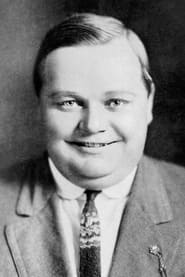
Roscoe "Fatty" Arbuckle stars as a hapless but determined lover whose girlfriend has been abducted by a gang of villains. Unable at first to figure out where she is being held, Fatty is left in distress until his loyal dog—who somehow knows the hideout—returns to lead him to her. Once the canine rescuer brings Fatty the needed clue, he teams up with the Keystone Cops in a chaotic but urgent attempt to storm the kidnappers' lair and free the woman before the villains can carry out their murderous scheme. The film plays as a brisk slapstick rescue comedy, escalating from worry and pathos into a madcap pursuit packed with chases, confusion, and physical gags. Like many Keystone shorts, it builds to a frenetic group confrontation in which sheer disorder becomes the engine of the comedy.
About the Production
This is a one-reel Keystone comedy from the height of Roscoe "Fatty" Arbuckle's early film stardom, when he was regularly making fast, gag-driven shorts for Mack Sennett's studio. The production is characteristic of Keystone's assembly-line approach: simple premise, minimal sets, and a heavy emphasis on physical comedy, rapid pacing, and ensemble mayhem. Because many silent short films from this era survive only in fragments or through later prints, detailed production records such as budgets, shooting schedules, or exact location breakdowns are not generally documented. The film is notable for using the dog's intelligence as a comic narrative device, a common silent-era strategy that allowed animals to function as motivated plot drivers in otherwise anarchic comedies.
Historical Background
Fatty’s Plucky Pup was made in 1915, during the middle years of the silent-film boom when American comedy shorts were among the most popular attractions in nickelodeons and emerging picture palaces. Keystone Film Company, founded by Mack Sennett, had helped establish a template for screen slapstick: pursuit comedy, police chaos, ruined propriety, and escalating physical disorder. This was also a transitional moment for film comedy, as the industry began moving from rough-and-tumble shorts toward more character-centered and elaborate productions. Arbuckle himself was an important bridge figure in that evolution, bringing a lighter, more humanized comic style to the frantic Keystone formula. The film matters because it represents both the industrial efficiency of early Hollywood comedy and the developing celebrity culture around performers like Arbuckle, whose name could help sell a film even in a short format.
Why This Film Matters
Although not among the most famous Arbuckle titles, the film is representative of the kind of short that helped define early American slapstick and normalize the comic rescue narrative. It contributes to the enduring cultural image of the Keystone Cops as inept but energetic authority figures, a trope that outlived the silent era and became shorthand for comic incompetence. The film also demonstrates how silent comedies often granted animals quasi-human intelligence, enriching the medium's visual storytelling and broadening its appeal to family audiences. In a larger sense, the short is part of the legacy of Arbuckle's pre-scandal career, preserving evidence of his importance as one of the silent era's most influential and popular comedians. For film historians, works like this are valuable not only as entertainment artifacts but as records of how early cinema constructed comic rhythm, star identity, and audience expectation.
Making Of
Fatty Arbuckle was one of the defining comic personalities of the Keystone years, and this film reflects the studio's trust in him to carry a short on personality alone. By 1915, Arbuckle had become a major comedic attraction, and his films often mixed gentle sentiment with chaotic slapstick, allowing him to play both victim and instigator in the same story world. The inclusion of a helpful dog and the Keystone Cops suggests a production built around dependable audience pleasures rather than elaborate plot mechanics. As with many silent comedies of the period, the film likely relied on improvisational-feeling staging, broad gestures, and carefully timed physical business rather than highly scripted dialogue-driven scenes. Exact behind-the-scenes documentation is sparse, but the film sits firmly in the production culture of Mack Sennett's studio, where speed, repetition of proven comic formulas, and ensemble coordination were central to making shorts efficiently.
Visual Style
The cinematography is typical of mid-1910s Keystone production: static or lightly adjusted camera setups, wide framing to capture full-body action, and clear staging that keeps multiple comic performers visible within a single shot. The visual style emphasizes legibility over ornament, allowing the audience to follow chases, entrances, and pratfalls without distraction. Close-ups are generally limited in this kind of short, since the humor depends more on bodies in motion than on psychological detail. The likely use of outdoor locations or simple exteriors would have supported the kinetic style associated with Keystone's comedy output. The film's visual appeal comes from timing, composition of group chaos, and the contrast between the dog’s purposeful movements and the human characters' confusion.
Innovations
The film does not appear to feature major technical innovations, but it is noteworthy for the efficiency with which it translates a simple premise into visual storytelling. Its achievement lies in comic construction: a clear setup, a helpful animal intermediary, and coordinated ensemble action involving both Arbuckle and the Keystone Cops. The short demonstrates silent cinema's ability to communicate plot information without dialogue through pantomime, repeated visual cues, and recognizable comedic archetypes. In that sense, it is technically representative of the mature Keystone style rather than innovative in a pioneering sense.
Music
As a silent film, Fatty’s Plucky Pup had no synchronized recorded soundtrack. In original exhibition, it would have been accompanied by live music, often improvised or selected from cue sheets by theater musicians. The musical mood would typically have varied with the venue, but comic chase rhythms, anxious underlining for the kidnapping premise, and lively punctuation for action scenes would have been common choices. No original score is known to survive as a standardized accompaniment for the film.
Famous Quotes
No synchronized dialogue survives from this silent film.
Intertitles, if present in surviving prints, vary by source and are not consistently documented.
Memorable Scenes
- The dog's return to Fatty to alert him to the captive girlfriend's location, turning the animal into the plot's indispensable guide.
- Fatty joining forces with the Keystone Cops for a disorderly rescue attempt.
- The expected Keystone-style scramble as the villains, police, and hero collide in escalating confusion.
Did You Know?
- The film is a classic Keystone one-reel comedy, meaning it was originally designed to play in a very short exhibition slot alongside other shorts or features.
- Roscoe Arbuckle appears both as the star and as the director, reflecting his growing creative control over his own comedy vehicles in the mid-1910s.
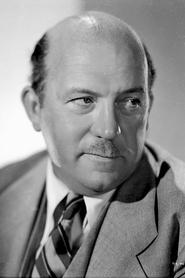
- Edgar Kennedy appears in the cast; he would later become well known for his slow-burn comic style and long career in film comedies.
- The Keystone Cops are part of the rescue action, tying the film to one of the most famous comic institutions in silent cinema.
- The plot depends on a dog acting as the story's most competent character, a recurring silent-era gag concept that audiences of the time would have instantly understood.
- The film belongs to the period when Arbuckle was transitioning from ensemble Keystone farces into the kind of star-driven slapstick that helped define screen comedy.
- Because it was made in 1915, the film predates the more polished feature comedies of the late silent era and instead relies on speed, surprise, and broad visual humor.
- The movie's title is a playful example of the era's penchant for alliterative, character-centered comedy titles built around Arbuckle's nickname, "Fatty.
- Surviving information about many Keystone shorts is uneven, so this film is more often discussed through catalogs, filmographies, and archive references than through extensive contemporary press coverage.
- Its structure—kidnapping, clue-giving animal, police intervention, and rescue—fits squarely within early slapstick's obsession with rescue melodrama turned into farce.
What Critics Said
Contemporary critical reception for many Keystone shorts was typically brief, and detailed individual reviews for this film are limited in surviving sources. At the time, Arbuckle comedies were generally appreciated for their briskness, physical inventiveness, and reliable laughs, even when they were seen as less refined than later comic features. Modern critical interest is usually archival and historical rather than review-based: the film is valued as part of Arbuckle's body of work and as a representative example of 1910s slapstick. Historians tend to view such shorts as important documents of early screen comedy's grammar, even when they are not considered major artistic statements. If preserved and accessible, the film is mainly appreciated today by silent-film enthusiasts, historians, and viewers interested in early Keystone comedy rather than by mainstream contemporary critics.
What Audiences Thought
Direct audience records for this specific short are not well documented, but films of this type were designed for immediate, broad popular appeal. Keystone comedies were built around quick comprehension, visual gags, and high energy, all of which made them highly accessible to audiences across language barriers. Arbuckle's popularity in 1915 suggests that viewers recognized him as a reliable source of comic entertainment and likely responded warmly to his blend of sympathy and silliness. The rescue setup, the dog, and the Keystone Cops would have provided familiar pleasures that audiences of the time expected from a comedy short. Today, audience reception is more specialized, with appreciation strongest among silent-film fans, archive audiences, and those interested in the origins of screen slapstick.
Film Connections
Influenced By
- Mack Sennett's Keystone comedy formula
- Early chase comedies and rescue melodramas
- Vaudeville physical comedy traditions
- Animal-helper gag structures common in early silent shorts
This Film Influenced
- Later Keystone-style slapstick rescue comedies
- Animal-assisted comedy shorts in silent cinema
- Police-parody comedies that borrowed from Keystone Cops routines
- Roscoe Arbuckle's later comedy shorts and features
You Might Also Like
More Comedy Films
View allMore from Roscoe 'Fatty' Arbuckle
View allFilm Restoration
The film appears to survive in archival form or at least in extant records sufficient for filmography reference, but detailed preservation status varies by archive listing and print source. Like many silent Keystone shorts, it may exist only in incomplete or later-generation materials rather than pristine original elements. No widely publicized full restoration is known from standard reference sources.