Helen's Marriage
Plot
Helen and Tom are young lovers who want to marry, but Helen’s parents stand in the way of their happiness and keep a close watch on the couple’s courtship. When an attempted elopement is thwarted, the pair refuses to give up and begins plotting a more elaborate deception. Their solution is a “fake wedding” scheme designed to convince the parents that the marriage has either already been arranged or can now proceed under more respectable circumstances. As the ruse unfolds, the comedy turns on escalating misunderstandings, parental suspicion, and the lovers’ frantic efforts to keep the deception from collapsing before the real marriage can finally take place.
Director
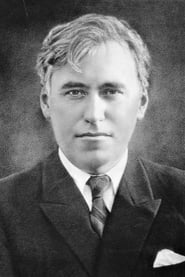
Mack SennettAbout the Production
Helen's Marriage was produced during Mack Sennett’s early tenure at Biograph, when the studio was turning out short comic subjects on a rapid schedule. Like many one-reel films of the period, it was designed as a compact farce built around physical humor, social embarrassment, and a simple domestic premise that could be read quickly by audiences. The film is closely associated with the early screen work of Mabel Normand, who became one of the defining comic performers of the silent era, and it reflects the transitional moment when screen comedy was moving from stage-derived business toward a faster, more visually aggressive style. Surviving documentation for exact production costs, release publicity, and location specifics is limited, as is common for 1912 Biograph shorts.
Historical Background
Helen's Marriage was produced in 1912, during the formative years of narrative film in the United States, when shorts dominated the marketplace and studios such as Biograph were refining the grammar of screen comedy. This was the era immediately before feature-length films became standard in American exhibition, so one-reel comedies like this were a central part of popular moviegoing. The film also belongs to the period when Mack Sennett, Mabel Normand, and other Biograph talents were developing the styles that would soon define Keystone slapstick and influence comedy for decades. Its domestic premise—young lovers versus controlling parents—reflects both the social conventions of the time and the broad appeal of marriage-comedy as a safe but fertile source of laughs.
Why This Film Matters
Although Helen's Marriage is not one of the best-known surviving silent comedies, it is culturally important as an example of the early development of American film humor and of the talents who would shape the genre. It shows Mack Sennett’s movement toward the high-energy comic timing that later made him famous, and it preserves an early screen performance by Mabel Normand, whose work helped establish women as central comic presences in silent film rather than merely romantic foils. The film also illustrates how early cinema transformed familiar theatrical situations—courtship, parental disapproval, and marital deception—into compact visual comedy that could be understood instantly by audiences of varied literacy and background.
Making Of
Helen's Marriage was made at a time when Biograph was one of the most important training grounds for early film talent, and Mack Sennett was beginning to emerge as a director with a distinctive feel for screen farce. The production likely relied on economical sets and straightforward staging, with much of the comedy carried by performance, gesture, and the rapid escalation of the central deception. Mabel Normand’s presence is especially significant, since she was rapidly developing into one of the medium’s first major female comedy stars and would later become closely identified with Sennett’s comic world. Because the film is a short from 1912, detailed behind-the-scenes documentation is sparse, but its surviving credits and plot summary place it firmly within the collaborative, factory-style Biograph system that shaped many early silent comedians.
Visual Style
The cinematography would have been characteristic of early 1910s Biograph shorts: static or minimally mobile camera placement, clearly arranged tableau-like staging, and emphasis on full-body performance rather than expressive camera movement. Visual comedy in a film like this depended on readable blocking, quick reactions, and the careful arrangement of entrances, exits, and misunderstandings within domestic interiors or simple exterior settings. Because the film predates the more elaborate visual dynamism of later slapstick, its style is likely closer to clean, functional image construction than to the later, more chaotic Keystone look. The visual clarity would have been essential for the fake-wedding plot, since much of the humor depends on the audience immediately understanding who is deceiving whom.
Innovations
The film does not appear to be associated with any major technical innovation, but it is notable for illustrating the refined comic construction that early filmmakers were developing in the pre-feature era. Its achievement lies in the efficient use of a simple premise, visual clarity, and escalating misunderstanding to sustain an entire short subject. It also demonstrates the studio-system discipline of Biograph comedy production, where directors like Sennett learned to stage action in a way that remained legible in one reel. In historical terms, that kind of compact narrative economy is itself a significant step in the evolution of cinematic storytelling.
Music
As a silent film from 1912, Helen's Marriage had no synchronized recorded soundtrack. In original exhibition, it would have been accompanied live by a pianist, organist, or small theater ensemble depending on venue and locality, often using improvised cues or stock music matched to comic action. No original score survives as a standardized component of the film. Any modern screenings would typically use a later archival accompaniment or newly prepared silent-film music.
Memorable Scenes
- The aborted elopement attempt that sets the comic plot in motion and establishes the lovers’ desperation.
- The elaborate fake-wedding deception, with Helen and Tom trying to outmaneuver suspicious parental oversight.
- The sequence of escalating misunderstandings that turns a simple marriage plan into a comic scramble.
- The final movement toward the real marriage resolution after the scheme has served its purpose.
Did You Know?
- The film is an early Mack Sennett-directed comedy made before he became famous as the creator of Keystone Studios and the Keystone Cops.
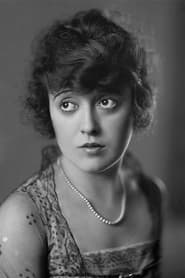
- Mabel Normand, one of silent cinema’s most important comic actresses, appears here in one of her early screen roles while still working under the Biograph banner.
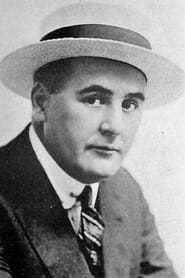
- Fred Mace was a frequent comic player in early American cinema and was often cast opposite Mabel Normand in lightweight domestic farces.
- The film reflects the period’s common fascination with courtship, marriage, and parental obstruction as material for slapstick comedy.
- The title refers to the central gag device rather than an actual wedding at the outset, emphasizing deception and misunderstanding as the comic engine.
- As a 1912 short, it would originally have been shown as part of a mixed bill rather than as a feature presentation.
- Like many films from this era, it survives mainly through catalog records and archival references rather than extensive contemporary press coverage.
- The film belongs to the important formative years of American screen comedy, when performers and directors were learning how to use editing, staging, and escalating physical action for comic effect.
What Critics Said
Contemporary critical documentation for Helen's Marriage is limited, and specific reviews from 1912 are not widely preserved in modern reference sources. In the context of its release, it would have been received as a standard Biograph comic short, valued more for immediate amusement than for artistic prestige. Modern scholars of silent comedy tend to view such films as historically valuable artifacts: even when not individually famous, they reveal the transitional style from stage-like farce to the brisk, visual, and gag-driven comedy that would dominate later silent slapstick. Its interest today lies chiefly in authorship, early star performance, and the evolution of comic form rather than in a reputation as a major standalone classic.
What Audiences Thought
No detailed audience-response records are widely cited for this title, which is typical for many 1912 shorts that played quickly in mixed programs and then disappeared from regular circulation. Based on the popularity of Biograph comedies and the recurring appeal of marriage-and-elopement plots, it likely functioned as an accessible crowd-pleaser that depended on recognizable domestic tensions and comic frustration. The presence of Mabel Normand would have been an asset with audiences familiar with her lively screen persona, and the film’s premise would have been easy to follow even in brief exhibition contexts. Today, audience interest is primarily among silent-film enthusiasts, historians, and collectors of early Sennett and Normand material.
Film Connections
Influenced By
- Stage farce and domestic marriage comedies popular in vaudeville and theater
- Early Biograph comic shorts and farcical one-reel storytelling
- Broad slapstick traditions built around misunderstanding and social embarrassment
This Film Influenced
- Later Mack Sennett Keystone comedies built around romantic chaos and disguise
- Silent-era domestic farces that used marriage plots as comic engines
- Subsequent screen comedies featuring fake ceremonies or ruses to force a wedding resolution
You Might Also Like
More Comedy Films
View allMore from Mack Sennett
View allFilm Restoration
The film appears to survive in archival or reference form, but comprehensive preservation details are not widely documented in standard public sources. It is not among the most commonly circulated silent comedies, and accessible copies may be limited to archives, specialized collections, or rare public-domain transfers depending on source material. Exact restoration status is not clearly documented in the public record consulted for this entry.