1922 · Approximately short film length; exact surviving runtime not consistently documented

Also available on: Archive.org
Nice and Friendly

Nice and Friendly

1922 Approximately short film length; exact surviving runtime not consistently documented United States
Theft and pursuitSocial status and aristocratic displayComic chaos around valuable objectsPrivate celebration and personal tributeCelebrity performance

Plot

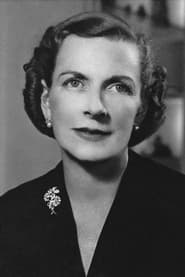
Nice and Friendly is a very short comic-crime film, apparently produced as a private wedding gift for Lord Louis Mountbatten and his bride, Edwina Ashley. In the film, Edwina Mountbatten appears as herself, wearing or displaying a valuable pearl necklace that becomes the object of intense attention from a crowd of thieves and would-be crooks. The plot plays as a playful chase comedy, with the crooks repeatedly trying and failing to obtain the jewels while Charlie Chaplin and Jackie Coogan provide the comic energy associated with Chaplin's screen work. Because the film was intended as a gift and not as a standard theatrical release, its action is simple, gag-driven, and centered on novelty, charm, and celebrity amusement rather than narrative complexity.

About the Production

Release Date 1922
Production Associated First National Pictures, Charles Chaplin Productions
Filmed In United States, Private production setting associated with the Mountbatten wedding gift

Nice and Friendly is notable for being a special-purpose short made as a wedding present for Lord and Lady Mountbatten rather than as a commercial feature. The film is associated with Charlie Chaplin's creative circle at the height of his fame, and it reportedly used the presence of Jackie Coogan and Edwina Mountbatten to create a light, personalized comic piece. Since it was not intended for normal distribution, documentation is sparse and many conventional production details such as budget, release strategy, and box-office performance are not recorded in standard studio histories. The film is often discussed as a rarity or curiosity from Chaplin's career, reflecting the early 1920s practice of making bespoke cinematic gifts for elite audiences.

Historical Background

The film was made in 1922, a period when Charlie Chaplin was one of the most famous figures in the world and when silent cinema was at a peak of international cultural influence. In the early 1920s, major stars and aristocratic audiences could intersect in unusual ways, and private or semi-private films for weddings and celebrations were a sign of cinema's growing prestige among elites. The inclusion of Edwina Mountbatten places the film at the intersection of film celebrity and British high society, while Jackie Coogan represents the era's fascination with child performers and family-centered appeal. As a piece of early 1920s screen culture, it reflects both the broad reach of silent comedy and the social status of cinema as a fashionable medium for personal commemoration.

Why This Film Matters

Nice and Friendly is culturally significant less as a widely distributed entertainment than as a rare example of a bespoke Chaplin-associated film made for a privileged social occasion. It highlights how cinema in the silent era could function not only as mass entertainment but also as an intimate, customized gift for royalty and aristocracy. For Chaplin scholarship, it is important as an unusual and lightly documented side project that broadens understanding of his public image and the kinds of commissions connected to his fame. The film also contributes to the mythology of lost or obscure Chaplin-related works, which continue to fascinate collectors, archivists, and silent-cinema historians.

Making Of

Nice and Friendly appears to have been conceived as a custom-made comic presentation rather than a mainstream studio release, which immediately shaped every aspect of its production. The film brought together Charlie Chaplin, Jackie Coogan, and Edwina Mountbatten in a novelty project intended to amuse the bride and groom through a light parody of crime-chase material. Because of that private context, the production did not generate the usual press coverage, trade advertising, or detailed studio paperwork that survive for Chaplin's official releases. Surviving descriptions emphasize the anecdotal nature of the film more than its mechanics, suggesting that it was valued as a charming personal gesture and a curiosity in Chaplin's filmography.

Visual Style

As a short comic film from the silent era, the visual style would have relied on clear staging, expressive physical performance, and easily readable action centered on the pearl necklace and the repeated attempts by crooks to steal it. The film likely used simple setups, direct framing, and brisk gag construction consistent with Chaplin-era slapstick presentation. Because it was a custom-made piece rather than a major theatrical production, there is no widely cited evidence of elaborate photography or special-effects work. Its visual appeal would primarily have come from performance, costume, and the humorous contrast between aristocratic elegance and criminal farce.

Innovations

The film does not appear to be associated with major technical innovations. Its chief notable feature is its bespoke production context, which demonstrates how silent film techniques could be adapted for a small-scale, private entertainment piece. The humor likely depended on efficient visual storytelling, quick setup of the necklace theft premise, and the use of star personas to make the joke immediately legible. Its technical interest today is historical rather than technological, especially for what it indicates about the flexibility of silent-era production practices.

Music

As a 1922 silent film, it would originally have been shown with live musical accompaniment rather than a synchronized recorded soundtrack. No universally standardized original score is known to survive or be associated with the film in the way that later restored silent features sometimes have commissioned accompaniments. Modern presentations of obscure silent films like this may use archive-created or venue-specific music, but no canonical soundtrack is established in the available historical record. If screened today, accompaniment would typically depend on the archive, festival, or broadcaster presenting it.

Memorable Scenes

  • The central comic setup in which Lady Mountbatten's pearl necklace becomes the target of multiple thieves and opportunists.
  • The repeated crook attempts that turn the necklace into the engine of a chain of slapstick gags.
  • The novelty of seeing Charlie Chaplin and Jackie Coogan participating in a playful, private presentation film rather than a standard theatrical release.

Did You Know?

  • The film was reportedly made as a wedding gift for Lord Louis Mountbatten and Edwina Ashley, making it an unusually personal Chaplin production.
  • Edwina Mountbatten appears in the film, which is one reason it attracts attention in Chaplin and royal-interest film histories.
  • Jackie Coogan's involvement connects the film to Chaplin's famous collaboration in The Kid era, when Coogan was one of the most recognizable child performers in the world.
  • The premise centers on a pearl necklace, a classic silent-era macguffin that naturally lends itself to slapstick theft attempts and chase comedy.
  • Because it was a private or semi-private presentation film, it does not have the same well-documented exhibition history as Chaplin's theatrical shorts and features.
  • The title is sometimes encountered in archival or database contexts with limited surviving documentation, which has contributed to uncertainty around some technical details.
  • The film is part of the broader tradition of bespoke silent comedies created for wealthy patrons or special occasions.
  • Its obscurity makes it a sought-after reference point for film historians interested in lost, private, or little-seen Chaplin-associated works.

What Critics Said

There is no substantial contemporary critical record comparable to Chaplin's theatrical releases, likely because the film was not intended for ordinary commercial criticism or mass distribution. Later film historians generally treat it as a minor, obscure, and historically interesting item rather than as a major artistic work. Its critical value today lies in its association with Chaplin, Coogan, and the Mountbatten family, and in what it reveals about private film culture in the silent era. Because the film has limited public availability and sparse documentation, appraisal tends to be cautious and archival rather than evaluative in the conventional critical sense.

What Audiences Thought

Audience reception is not well documented, again because the film appears to have been made for a specific private audience rather than for general exhibition. The intended viewers were presumably Lord and Lady Mountbatten and their immediate circle, for whom the film would have functioned as a witty, personal tribute. In modern terms, public reception is largely based on curiosity, nostalgia, and interest in Chaplin rarities rather than on broad audience response. Among silent-film enthusiasts, such a title tends to be appreciated as a collector's oddity and a historical footnote.

Film Connections

Influenced By

  • Chaplin's earlier slapstick shorts and chase comedies
  • Silent-era crime-comedy and farce traditions
  • The broad physical comedy style associated with Keystone-era and post-Keystone comedies

This Film Influenced

  • Private tribute films made for special occasions
  • Later celebrity-made novelty shorts and bespoke commemorative films
  • Archival interest in rare Chaplin-associated curiosities

Film Restoration

Preservation status is uncertain in the sense that the film is very obscure and not widely accessible, but it is generally treated as an extant rare film rather than a widely circulated lost title. Publicly available prints or modern access points are limited, and the film is not commonly screened. Archival references indicate that it is known to historians, but complete restoration and broad home-video availability are not established.

Themes & Topics

pearl necklacecrookswedding giftchase comedyChaplinJackie Cooganaristocracy