Roaring Rails
Plot
During World War I, railroad engineer Billy Hays adopts a French orphan and brings the boy back to the United States after the armistice, raising him as his own son in a story that combines domestic melodrama with action-adventure elements. Years later, when the child needs an expensive eye operation that Billy cannot afford, he is driven to desperate measures to secure the money and becomes entangled in a murder he did not commit. The film then shifts into a classic silent-era courtroom and manhunt structure as Billy endures suspicion and danger while trying to clear his name and save the boy. Its emotional core lies in the father-son bond, with the railroad setting and wartime backstory giving the drama a strong sense of movement, sacrifice, and working-class heroism.
About the Production
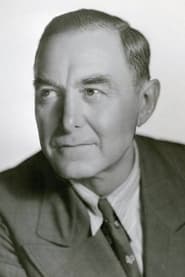
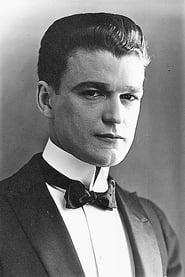
Roaring Rails was produced by Fox Film Corporation as a silent-era drama with action elements, directed by Tom Forman and starring Harry Carey, one of the studio era’s most dependable rugged leading men. Like many Fox productions of the period, it was made as a vehicle for a star associated with plainspoken masculinity, frontier resolve, and physical courage, here recast as a railroad worker and adoptive father rather than a cowboy. Surviving documentation on exact shooting dates, specific locations, and production costs is limited, which is typical for mid-1920s Fox titles; however, the railroad imagery, war flashbacks, and orphan narrative suggest a production designed to balance sentiment, suspense, and action in a commercially appealing package. The film’s combination of domestic sacrifice, crime melodrama, and railway action reflects the studio’s strategy of blending emotional appeal with strong visual incident.
Historical Background
Roaring Rails was made in 1924, at a time when American silent cinema was at a mature peak, just a year before The Jazz Singer helped usher in the sound era. The post-World War I atmosphere still shaped many stories of sacrifice, loss, returning veterans, and disrupted families, and this film’s plot fits squarely within that cultural mood. The railroad, already a longstanding symbol in American popular culture, remained a powerful image of industrial progress, masculine labor, and national connection. The film also reflects the 1920s audience appetite for melodramas that combined sentimental domestic issues with clear moral conflicts and action-oriented set pieces.
Why This Film Matters
Although not among the most famous silent features, Roaring Rails is representative of the kinds of mid-budget studio films that sustained the silent-era moviegoing culture and built star personas around dependable emotional formulas. It contributes to the tradition of railroad melodramas, a durable strand of American film history in which trains and rail workers symbolize modernity, speed, rescue, and catastrophe. The film also illustrates how silent cinema often centered fatherhood, sacrifice, and adoption as emotional engines for audience identification. For historians, it is valuable as an example of Fox’s 1920s production style and of Harry Carey’s range beyond the western genre.
Making Of
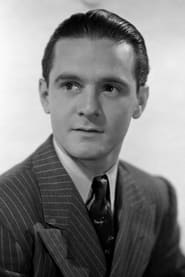
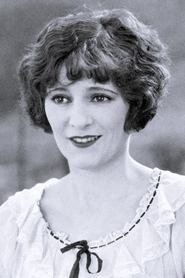
Roaring Rails appears to have been mounted as a compact Fox feature built around Harry Carey’s reliable appeal as a stoic, morally upright man facing overwhelming hardship. The pairing of Carey with Frankie Darro and Edith Roberts suggests a deliberate emphasis on emotional contrast: the hardened working man, the vulnerable child, and the sympathetic female presence typical of silent melodrama. Tom Forman, who worked both in front of and behind the camera during the silent period, was well suited to material requiring both strong visual storytelling and efficient pacing. Surviving information about the film’s production process is limited, but its structure indicates a carefully engineered mix of wartime backstory, domestic pathos, and suspenseful action designed to keep audiences invested across interlocking emotional and physical stakes.
Visual Style
As a silent film, Roaring Rails would have depended heavily on expressive mise-en-scène, readable blocking, and intertitles to carry the narrative, with cinematography likely emphasizing clear action geography and emotional legibility. The railroad milieu offered opportunities for dynamic compositions involving locomotives, tracks, stations, and industrial spaces, all of which could heighten the sense of speed and danger. The film likely uses the visual contrast between the intimate domestic sphere and the harsher, more mechanical world of rail work and crime to reinforce its melodramatic structure. Even without detailed surviving camera records, the film’s period style would have favored straightforward but polished visual storytelling typical of Fox features.
Innovations
The film’s most notable technical quality lies in its silent-era handling of railway action and melodramatic pacing rather than in any documented formal innovation. Railroad films of the period often required careful staging to maintain clarity around moving machinery, stunts, and danger, and Roaring Rails likely depended on precise editing and strong visual orientation. Its blending of wartime backstory, domestic scenes, and action sequences shows the studio-era ability to unify multiple registers of storytelling within a compact running time. No specific groundbreaking technical patent, process, or special effect is associated with the film in standard surviving references.
Music
Roaring Rails is a silent film and was originally exhibited with live musical accompaniment rather than a fixed synchronized soundtrack. As with most silent features, theaters would have used a house pianist, organist, or small ensemble, sometimes drawing from cue sheets or locally assembled music suited to the film’s emotional shifts. No universally documented original score is known to survive in standard reference sources. Modern presentations, if any, would depend on archive-created accompaniments or repertory theater practices.
Memorable Scenes
- The opening wartime sequence in which the railroad engineer takes responsibility for a French orphan, establishing the emotional foundation of the story.
- The moments in which the grown child’s need for an eye operation creates unbearable pressure on the father and forces him into desperate choices.
- The murder accusation and subsequent attempt to prove innocence, which drive the film into suspense and action territory.
- The climactic scenes that unite family loyalty, justice, and emotional release after the ordeal of accusation and sacrifice.
Did You Know?
- Harry Carey was one of the major Fox western and action stars of the silent era, and this film uses his screen persona in a more urban-industrial setting than many of his frontier roles.
- Frankie Darro, who appears as the adopted boy, later became a familiar child actor and continued acting into adulthood, making him one of the more recognizable juvenile performers of the era.
- The plot reflects a popular 1920s silent-film formula: war service, adopted child, medical crisis, wrongful accusation, and redemption through sacrifice.
- Tom Forman was a prolific silent-era director and actor whose career was cut short; his work ranged across drama, comedy, and action before his death in 1926.
- The film is associated with Fox Film Corporation, one of the major Hollywood studios that would later become part of 20th Century-Fox after the 1935 merger.
- Because it is a silent film from the 1920s, original exhibition would have depended on live musical accompaniment that varied from theater to theater.
- The title Roaring Rails evokes the speed and power of railroads, a frequent symbol in silent-era American cinema for modernity, danger, and mobility.
- The film’s blend of family melodrama and crime plot is characteristic of silent melodramas aimed at broad audiences rather than genre-specialist viewers.
What Critics Said
Contemporary critical documentation is limited and surviving reviews are not widely cited, so a complete consensus on original reception is difficult to reconstruct. In general, films of this type were often judged by trade papers and local reviewers on the strength of their emotional clarity, pacing, and star performance, and Roaring Rails likely benefited from Harry Carey’s established popularity. Modern critical attention is sparse, largely because the film is a lesser-known silent title and may not be easily accessible, but it is of interest to archival researchers and silent-film enthusiasts for its cast, studio pedigree, and railroad melodrama structure. Its reputation today is therefore more historical than canonical, valued for what it reveals about 1920s studio-era storytelling rather than for widespread critical acclaim.
What Audiences Thought
Specific box-office data and audience survey evidence are not readily available, but the film’s production by Fox and its star vehicle casting suggest it was made for broad popular consumption. Audiences in the 1920s generally responded strongly to stories involving loyal fathers, endangered children, and wrongful accusation, especially when combined with melodramatic peril and physical action. The railroad setting and the emotionally charged plot would have made it accessible to general audiences rather than niche viewers. Today, interest is primarily among silent-film collectors, historians, and fans of Harry Carey and early Fox cinema.
Film Connections
Influenced By
- Silent-era melodramas centered on sacrifice, family separation, and redemption
- Early railroad adventure pictures and industrial melodramas
- Post-World War I homecoming narratives common in the 1920s
This Film Influenced
- null
You Might Also Like
More Drama Films
View allMore from Tom Forman
View allFilm Restoration
The film appears to survive in archival form or at least in documented historical record, but readily accessible preservation status details are limited in commonly cited references. It is not as widely known or circulated as the most famous surviving silent features, and modern availability may be restricted. If extant, it is likely held by film archives or private collections rather than being broadly distributed in commercial circulation.