1924 · null

Also available on: Archive.org
The Gallery of Monsters

The Gallery of Monsters

1924 null France
Class conflictForced marriage and coercionJealousy and desireCircus life and performanceViolence and survival

Plot

Riquet, a whimsical circus performer and trickster, kidnaps and marries Ralda, a well-born young woman whose family would never have approved of the match. The couple drift through Spain with the circus, turning their precarious marriage into a traveling act, but Ralda’s beauty quickly draws the attention of the circus director. When she rejects his advances, his jealousy turns vicious and he deliberately opens a lion’s cage during her performance, leaving her gravely injured. As Ralda’s family closes in on the pair, Riquet and Ralda are forced to flee again, searching for a place where they can survive their scandalous past and begin a more stable life. The film plays as a melodramatic romantic adventure set against the danger and spectacle of the circus, with the central relationship tested by violence, class conflict, and desperation.

About the Production

Release Date 1924
Production Films de France
Filmed In France, Spain

The film was made in the silent era and is associated with a European production style that blends melodrama, romance, and circus spectacle. It is directed by and stars Jaque Catelain, which is notable because Catelain was better known as an actor and close collaborator in French avant-garde cinema than as a major director. Available historical records on the production are limited, and precise budgetary or box-office documentation has not been verified. The story’s Spanish setting and circus milieu suggest exterior location work or at least strong visual evocation of Spain, though detailed shooting logs are not commonly preserved for the title. Because surviving information is sparse, much of the film’s production history is reconstructed from cast, credits, and contemporary catalog references rather than extensive studio records.

Historical Background

The Gallery of Monsters was made in 1924, during a transitional and highly creative phase of silent cinema in Europe. French filmmakers of the early 1920s were balancing commercial melodrama with formal experimentation, and audiences were accustomed to emotionally direct stories shaped by strong visual design. The post-World War I period in France also saw films engage with themes of instability, mobility, identity, and survival, all of which resonate with a narrative about a couple forced into a precarious life on the road. The use of Spain as a setting reflects the era’s interest in picturesque, culturally distinct locations that could evoke romance, danger, and social difference for French audiences. In broader cinema history, the film belongs to a moment when silent drama still relied on theatrical gesture, symbolic danger, and visual spectacle before the arrival of synchronized sound changed performance style and storytelling rhythm.

Why This Film Matters

Although not widely known today, the film is culturally significant as a representative example of 1920s French silent melodrama with circus imagery and a class-crossing romance at its core. It reflects the era’s fascination with performers, outcasts, and mobile communities, especially the circus as a place where desire, vulnerability, and spectacle intersect. The film also illustrates the career of Jaque Catelain as more than an actor, showing how early cinema often allowed performers to move into creative control roles. For historians, the title is valuable because it preserves a snapshot of French screen aesthetics before the sound era and because surviving references help map the broader, less frequently preserved body of regional and mid-level productions. Its themes of coercion, jealousy, and survival remain recognizable, even if the film itself is now more of an archival curiosity than a mainstream cultural touchstone.

Making Of

The most notable behind-the-scenes fact is that Jaque Catelain served both as director and star, which places the film within the collaborative, personality-driven culture of early French filmmaking. Catelain was closely associated with refined, art-conscious cinema of the 1920s, and this project likely reflected his interest in performance-centered melodrama as much as directorial control. The production appears to have relied on a strong visual setting, using the circus and Spanish travelogue elements to create a dynamic backdrop for the romantic conflict. Detailed production anecdotes, rehearsal records, and studio correspondence are not widely documented, so the film’s making is known primarily through surviving credits and plot summaries rather than richer archival paperwork. The presence of a lion attack scene implies practical staging challenges common to silent melodrama, especially when working with animals, costumes, and large-scale spectacle. Like many films of the period, it would have depended heavily on expressive acting and visual composition to communicate emotional intensity without dialogue.

Visual Style

The film’s visual style would have depended on the expressive conventions of silent-era cinematography, with an emphasis on clear staging, emotive close-ups, and vivid action scenes. Its circus and traveling setting likely allowed for strong contrasts between performance space and private emotional crisis, a common visual strategy in melodrama. The Spanish backdrop would have offered opportunities for outdoor location imagery or carefully composed scenic tableaux that add a sense of movement and exotic atmosphere. As with many silent French dramas, attention to costume, gesture, and spatial relationships would have been essential in conveying class difference and romantic tension. The lion sequence also suggests a piece of kinetically staged spectacle designed to heighten suspense through visual danger rather than dialogue.

Innovations

The film’s main technical significance lies in its silent-era staging of circus action, animal danger, and traveling-location storytelling. Handling a lion scene in the 1920s required careful practical coordination and likely relied on a combination of performance blocking, editorial suspense, and camera placement to create the illusion of immediate peril. The production also demonstrates the period’s ability to turn comparatively simple resources into emotionally dramatic spectacle through composition and movement. There is no evidence of major formal innovation on the level of groundbreaking camera technology, but the film likely showcases polished silent-era craft in performance-driven visual narrative. Its value today is as an example of competent, atmosphere-rich early French filmmaking rather than as a landmark of technical invention.

Music

As a silent film, The Gallery of Monsters would originally have been accompanied by live music in theaters rather than a synchronized recorded score. No verified original composed soundtrack has been reliably documented in surviving sources consulted here. Depending on the venue and country of exhibition, accompaniment may have ranged from a pianist to a small ensemble using cue-based improvisation or compiled mood music. If a modern restoration or screening uses music, it is likely a later archival accompaniment rather than a confirmed original 1924 score.

Memorable Scenes

  • Ralda performing in the circus while her beauty draws the dangerous attention of the director.
  • The director opening a lion’s cage during the act in an act of revenge, creating a suspenseful and brutal set-piece.
  • The wounded Ralda and Riquet fleeing with their future uncertain as her family closes in on them.
  • The traveling circus passages across Spain that frame the couple’s unstable, wandering life.

Did You Know?

  • The film is directed by Jaque Catelain, who also plays the lead role, making it one of the titles associated with his multi-hyphenate work in early French cinema.
  • It is a silent drama from 1924, a period when French cinema was experimenting with more stylized visual storytelling and emotionally heightened melodrama.
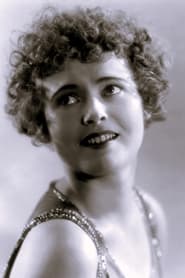
  • Lois Moran appears in the cast, linking the film to an actress who had an international career and worked in both European and American productions.
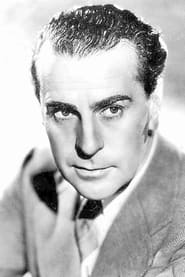
  • Jean Murat’s involvement connects the film to a performer who would become a familiar figure in French screen acting across the silent and early sound eras.
  • The circus setting gives the film a near-mythic, traveling-theater atmosphere that was popular in silent melodramas for its built-in spectacle and danger.
  • The title, The Gallery of Monsters, suggests a carnival or circus exhibition sensibility, but the plot is centered more on romantic persecution and social displacement than on literal horror.
  • The story includes a lion-attack episode, a common silent-era device for combining melodrama with sensational visual action.
  • Because the film is relatively obscure today, surviving documentation is limited, making it of interest to archival researchers and historians of French silent cinema.
  • Its narrative of an abducted bride moving through Spain reflects the period’s fascination with exoticized European settings and mobile, transnational romance.
  • The film is often discussed as part of the larger landscape of 1920s French dramatic production rather than as a widely circulated commercial classic.

What Critics Said

Contemporary critical reception is not extensively documented in readily available sources, and no major critical consensus has survived in the modern mainstream discourse. At the time of release, a silent melodrama of this sort would likely have been judged on the strength of its performances, visual atmosphere, and emotional force rather than on dialogue or sound design. In modern scholarship, the film is generally treated as an obscure but interesting artifact of French silent cinema, valued more for historical context than for a widely celebrated reputation. Because it is not part of the canonical international silent-era titles, criticism tends to focus on its rarity, its association with Catelain, and the broader appeal of its circus melodrama premise.

What Audiences Thought

Audience reception is difficult to reconstruct with precision because detailed exhibition records and spectator commentary are scarce. As a 1924 silent drama with romance, danger, and circus spectacle, it likely appealed to audiences who enjoyed emotionally charged, visually vivid entertainment. The lion attack and traveling circus milieu would have provided the sort of sensational elements that helped silent melodramas hold attention in urban and provincial theaters alike. In the present day, audience awareness is limited mainly to silent film enthusiasts, collectors, and researchers who encounter it through archival references rather than mainstream revival screenings.

Film Connections

Influenced By

  • Silent-era circus melodramas
  • French literary melodrama traditions
  • Traveling show and circus narratives popular in European popular theater
  • Early 1920s romance-adventure films set in picturesque foreign locales

This Film Influenced

  • null

Film Restoration

Preservation status is uncertain from the available evidence. The film is obscure and not widely circulating, and no confidently verified statement of a complete extant print or restoration was located in the sourced knowledge used here. It may survive in archival form, but it is not commonly available and appears to be a rare title. For a database entry, it should be treated as a difficult-to-access silent-era film with uncertain public availability until a specific archive or restoration record confirms otherwise.

Themes & Topics