1917 · Approximately 20 minutes

Also available on: Archive.org
Bashful

Bashful

1917 Approximately 20 minutes United States
Inheritance and economic pressureMarriage as a social requirementEmbarrassment and social performanceRomantic confusionClass respectability

Plot

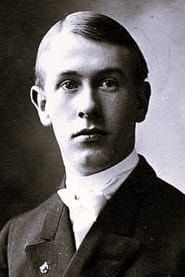
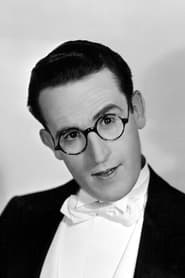
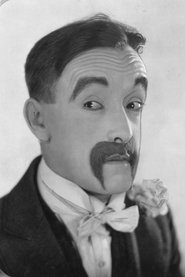
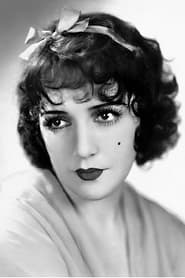
Bashful follows a young man who stands to inherit money only if he can prove himself settled with a wife and family, a premise that sends him into a frantic series of comic misunderstandings. Harold Lloyd plays the awkward but determined hero, whose attempts to present himself as respectable and domesticated are repeatedly derailed by bad timing, mistaken identity, and escalating physical comedy. Harry 'Snub' Pollard appears as a key comic foil, helping create the sort of fast-paced, gag-driven situation comedy that became a hallmark of Lloyd's early shorts. Bebe Daniels adds romantic complication and charm as the story moves through a succession of increasingly absurd obstacles before the inheritance issue can be resolved.

About the Production

Release Date 1917
Production Rolin Film Company, Hal Roach Studios
Filmed In Los Angeles, California, USA

Bashful was made during Harold Lloyd's high-output period of short comedies under the supervision of Hal Roach, when the comedian was refining the character type that would later evolve into his famous Glasses persona. Like many Roach productions of the era, the film relied on brisk pacing, carefully timed visual gags, and a small cast of recurring comedy players rather than elaborate sets or large-scale production design. Surviving documentation on this title is limited compared with Lloyd's later features, so precise budget figures, box office returns, and extensive contemporary production paperwork are not generally cited in standard references. The film is significant as part of the creative partnership among Lloyd, Roach, Snub Pollard, and Bebe Daniels, all of whom were central figures in the development of American screen comedy in the 1910s.

Historical Background

Bashful was made in 1917, during the First World War era, when American film comedy was rapidly maturing from broad vaudeville-derived sketches into more character-based and situation-driven storytelling. The studio system was still developing, and producers like Hal Roach were building efficient comedy units that could deliver shorts to theaters on a steady schedule. Harold Lloyd's career was in a crucial transition stage: he was moving beyond simple stunt-and-gag shorts toward the distinctive, earnest, middle-class comic persona that would make him one of the defining stars of silent cinema. In broader cultural terms, the inheritance-and-marriage premise reflects early 20th-century social expectations about family, respectability, and economic security, all of which were fertile ground for comedy.

Why This Film Matters

Although Bashful is not among the most famous silent comedies, it is culturally important as an example of the industrial and creative environment that produced Harold Lloyd's rise. The film documents the collaborative comic style of the Hal Roach studio system before the feature-comedy boom of the 1920s, helping historians trace how Lloyd's screen persona evolved from short subjects into one of the era's most recognizable American types. It also illustrates how silent comedy used domestic and inheritance anxieties as broadly relatable plot engines, turning social pressure into physical humor. For scholars and silent-film enthusiasts, the film contributes to an understanding of how lesser-known shorts supported the larger careers of major stars and helped establish the grammar of screen comedy.

Making Of

Bashful was produced in the workshop-like environment of early Hal Roach comedy production, where short films were assembled quickly and new gags were tested at a rapid pace. Alfred J. Goulding, better known in the silent era for directing and staging comedy action, had to shape the story around Harold Lloyd's talent for nervous, socially embarrassed characters who nonetheless remain resourceful under pressure. The film also reflects the ensemble approach of the period: Snub Pollard and Bebe Daniels were not incidental names but part of a repeat-player system that gave the shorts a familiar comic rhythm. Because so many silent comedy shorts from 1917 survive only in fragmentary records or later catalog references, details about shooting schedules, exact locations, and on-set anecdotes are not extensively documented in the surviving historical record.

Visual Style

The cinematography is characteristic of mid-1910s silent comedy: straightforward camera setups, clear staging, and an emphasis on keeping the action legible so that visual gags read immediately. Rather than elaborate camerawork, the film likely depends on fixed or lightly adjusted framing that captures performers' timing, entrances, exits, and physical business without distraction. Silent-era comedy shorts from this period often favored medium-wide compositions that allowed actors to move dynamically through the frame, and Bashful fits that tradition. The visual style would have been built around clarity, pace, and reaction shots that made embarrassment and surprise especially effective.

Innovations

Bashful does not appear to be associated with major technical innovations, but it represents the efficient mastery of silent-comedy staging that was itself an important craft achievement in the 1910s. The film's value lies in its timing, physical choreography, and ability to communicate plot through gesture and situation without intertitles doing all the work. In that sense, it demonstrates the developing language of screen comedy: rapid setup, escalating complications, and a payoff structured around visual misunderstanding. As a Hal Roach production, it also reflects the industrial refinement of short-form comedy production that would influence later studio comedy units.

Music

As a silent film, Bashful originally had no synchronized recorded soundtrack. It would have been exhibited with live musical accompaniment, typically improvised or compiled by a theater musician or small ensemble using cues appropriate to the film's comic tone. Surviving presentations of silent films may use modern accompaniment, but no original composed score is generally associated with the film in the way later sound-era productions have music credits. Any current soundtrack depends on the archive, restoration, or venue presenting the film.

Memorable Scenes

  • The hero's frantic attempts to qualify for his inheritance by presenting himself as suitably married and family-oriented.
  • A sequence of escalating misunderstandings in which social pretenses collapse under the pressure of comic timing and physical mishaps.
  • The ensemble scenes that showcase Harold Lloyd and Snub Pollard's early comic chemistry in a fast-moving silent format.

Did You Know?

  • The film stars Harold Lloyd in one of his early short-comedy vehicles before he became a major feature-length star.
  • It was directed by Alfred J. Goulding, who worked frequently in silent comedy and collaborated with major stars of the period.
  • Harry 'Snub' Pollard appears, making this part of the lively Roach comedy circle that helped define silent slapstick.
  • Bebe Daniels is in the cast; she was still in the early phase of a career that would later span silent films, talkies, and stage work.
  • The central inheritance premise was a common silent-comedy setup, allowing for moral pressure, social farce, and romantic chaos in one short film.
  • This title is often discussed in filmographies of Harold Lloyd rather than as a widely circulated standalone feature, reflecting the short-subject nature of his early career.
  • As with many 1910s comedies, the original promotional materials and complete production records are sparse compared with later studio-era films.
  • The film belongs to the period when Hal Roach was building a stable of performers who could be paired in different combinations for comic effect.
  • Silent-era audiences would have experienced the film with live musical accompaniment rather than a composed soundtrack attached to the print.

What Critics Said

Contemporary reviews specific to Bashful are not widely preserved in accessible reference sources, so its immediate critical reception is difficult to reconstruct in detail. Like many Harold Lloyd shorts of the period, it was likely valued primarily as a brisk comic entertainment rather than treated as a prestige production. In modern scholarship, the film is usually assessed within the context of Lloyd's early development and the Hal Roach comedy machine rather than as a standalone masterpiece. Its modern reputation is therefore more archival and historical than popularly critical, appreciated by silent-cinema researchers for its place in the evolution of Lloyd's style and the early American comedy short.

What Audiences Thought

Audience reception data for Bashful has not survived in a robust or standardized form, which is typical for 1910s short comedies. At the time of release, it would have played to theatergoers as part of a program of shorts, newsreels, and features, with its success measured mainly by laughs, repeat bookings, and the continuing demand for Harold Lloyd comedies. The film's premise and cast suggest it would have been accessible to general audiences, since inheritance troubles, marital pretenses, and romantic confusion were easy-to-follow comedic staples. Today, its audience is limited mostly to silent-film fans, collectors, and researchers who encounter it through archival screenings or catalog references.

Film Connections

Influenced By

  • Vaudeville comedy routines
  • Stage farce involving inheritance and marriage plots
  • Early Keystone and Essanay slapstick traditions
  • Hal Roach's developing short-comedy formula

This Film Influenced

  • Later Harold Lloyd short comedies
  • The development of the nervous-but-competent screen comic persona
  • Hal Roach ensemble comedies of the 1920s

Film Restoration

The film is considered extant in archival circulation, though like many silent shorts it is not as widely available or as comprehensively restored as Lloyd's most famous features. Its survival is documented through film references and archival holdings rather than through broad commercial availability. Availability may vary by archive, collector edition, or specialist silent-film program.

Themes & Topics