1923 · Approximately 60 minutes

Also available on: Archive.org
Brass

Brass

1923 Approximately 60 minutes United States
Marriage and reconciliationMaternal devotionDomestic instabilityEmotional neglectGender roles in the 1920s

Plot

Brass is a domestic melodrama centered on a young wife whose marriage begins to unravel as her husband’s devotion shifts away from the home and toward other distractions. When she realizes that the emotional bond between husband and child is weakening, she makes a determined effort to reclaim their affection and restore the family unit. The story follows her attempts to win back trust and tenderness in the face of misunderstanding, pride, and the social pressures placed on marriage in the modern world of the 1920s. As a silent-era drama, the film relies on gesture, visual contrast, and escalating emotional situations to trace the strain between romantic idealism and the practical realities of married life.

About the Production

Release Date March 4, 1923
Production Warner Bros. Pictures
Filmed In Los Angeles, California, USA

Brass was a Warner Bros. silent-era feature directed by Sidney Franklin and photographed by Ernest Haller, who later became one of the studio’s most respected cinematographers. Like many early-1920s domestic dramas, it was built around strong star performances and the emotional clarity required by silent storytelling rather than elaborate spectacle. The film is notable as an early example of Warners’ increasingly confident production of prestige melodramas in the silent period. Surviving documentation on exact budget and box office is limited, and no widely cited production controversy or major outside-location shoot is associated with the film.

Historical Background

Brass was released in 1923, during the late silent era when Hollywood studios were refining the feature film as a mass entertainment and prestige product. The early 1920s were a period of social transformation in the United States: women had gained the vote, urban life was changing courtship and marriage patterns, and films increasingly explored domestic conflict, female agency, and the fragility of family stability. Warner Bros., still building its reputation before the sound era, was producing a range of commercially appealing dramas that could compete with the more established studios. Brass belongs to that world of intimate melodrama, where emotional realism and moral tension were central to popular cinema.

Why This Film Matters

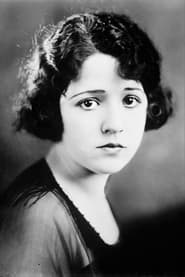
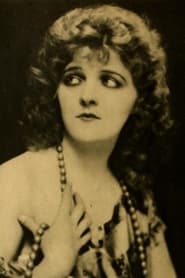
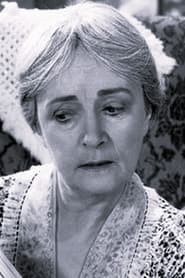
Although Brass is not among the most famous silent films, it is culturally significant as an example of early-1920s studio melodrama focused on marriage, motherhood, and the struggle to hold together a family. Films like this helped define the emotional vocabulary of domestic melodrama, a genre that would remain important throughout the sound era and beyond. It also illustrates the kinds of roles available to actresses like Marie Prevost and Irene Rich, whose careers intersected with changing depictions of women on screen. For film historians, Brass is valuable as part of the Warner Bros. silent output and as a window into the moral and emotional concerns of the period.

Making Of

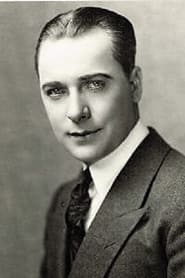
Brass was mounted as a compact silent melodrama, dependent on expressive acting and precise visual staging to convey the changing emotional relationships among its central characters. The cast paired Monte Blue, a leading man with a solid reputation in silent features, with Marie Prevost, whose screen presence often combined glamour with emotional directness. Sidney Franklin’s direction likely emphasized clarity of emotion and domestic tension, a style well suited to the material and to the rapid pacing expected of a feature built for the silent marketplace. Ernest Haller’s cinematography would have been especially important in defining the atmosphere, since lighting and composition had to communicate character psychology without dialogue.

Visual Style

The film was photographed by Ernest Haller, and its visual approach would have depended on the clean, readable composition typical of silent-era studio drama. In a film centered on marital strain and emotional reconciliation, close attention to facial expression, body language, and spatial relationships would have been essential. Silent cinematography of this period often used controlled lighting and carefully arranged interiors to turn domestic spaces into emotionally charged settings, and Brass likely follows that tradition. Haller’s involvement is historically notable because it connects the film to one of the most accomplished cinematographers of Hollywood’s classical era.

Innovations

Brass does not appear to be associated with major technical innovations, but it represents the polished studio craftsmanship of early Warner Bros. silent production. Its achievement lies in its efficient storytelling, expressive visual design, and the ability to dramatize intimate psychological conflict without spoken dialogue. The film also offers an early example of Ernest Haller’s work, which is historically important in the development of Hollywood cinematography. Like many well-made silent features, its techniques would have centered on precise editing, expressive framing, and lighting that supported emotional legibility.

Music

As a 1923 silent film, Brass did not have a synchronized recorded soundtrack. It would originally have been shown with live musical accompaniment, typically by a theater pianist, organist, or small ensemble depending on venue and budget. Specific original cue sheets or commissioned music for the film are not widely documented in readily available sources. Any modern screenings would typically use archival-style accompaniment or newly prepared silent-film scores.

Memorable Scenes

  • The central emotional confrontations in which the young wife realizes how far her marriage has drifted and determines to fight for her family.
  • The silent-era domestic scenes that contrast the stability of home life with the husband’s emotional detachment, using gesture and framing to heighten tension.
  • The reconciliation-oriented climax, where the film resolves its marital conflict through renewed affection and family unity.

Did You Know?

  • Brass was directed by Sidney Franklin, who later became known for directing both silent and sound-era features, including major MGM productions.
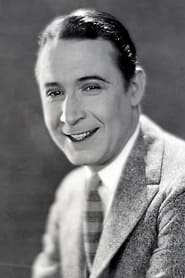
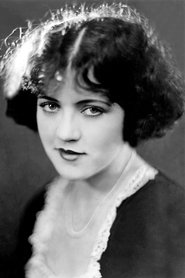
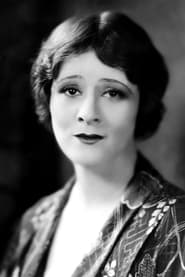
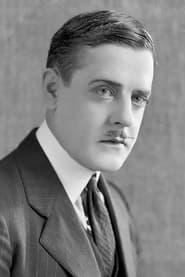
  • The film starred Monte Blue, Marie Prevost, and Irene Rich, all of whom were established screen performers in the silent era.
  • It was photographed by Ernest Haller, who would go on to win an Academy Award for Gone with the Wind (1939).
  • The movie was produced and released by Warner Bros. during the studio’s pre-sound rise to prominence.
  • As a 1923 silent film, it would originally have been screened with live musical accompaniment rather than a recorded soundtrack.
  • The film’s subject matter reflects the period’s fascination with marriage, domestic duty, and the emotional consequences of shifting gender roles in modern urban life.
  • Information on the film’s original marketing materials is scarce, and no widely known surviving tagline is commonly cited in reference sources.
  • Brass is primarily remembered today by historians and collectors rather than as a widely circulating mainstream title.
  • The title Brass suggests hard surface, toughness, or emotional hardness, which fits the film’s domestic conflict theme.
  • Because many Warner Bros. silent films survive only in fragments or archival prints, Brass is often discussed in the broader context of silent-era preservation challenges.

What Critics Said

Contemporary reviews are not extensively preserved in the most commonly consulted sources, so the film’s exact critical reception at the time is difficult to reconstruct in detail. In general, silent domestic dramas such as Brass were judged on the strength of their emotional appeal, performances, and narrative efficiency, and the film appears to have been regarded as a respectable studio feature rather than a landmark production. Modern critical discussion is limited, largely because the film is not widely circulated and is less frequently written about than the major surviving classics of the period. Among historians, interest in the film is primarily archival and contextual, tied to the careers of its cast, director, and cinematographer.

What Audiences Thought

Audience reception is not well documented in surviving mainstream reference material, and no comprehensive box-office record is commonly cited for the film. As a Warner Bros. silent melodrama, it was likely aimed at a broad middle-class audience interested in family-centered emotional stories and star performances. Its survival in film-history records suggests that it was part of the studio’s routine feature output rather than a notorious flop or a runaway sensation. Today, audience interest is mainly from silent-film enthusiasts, archivists, and viewers seeking to explore lesser-known titles from the period.

Film Connections

Influenced By

  • Stage melodrama traditions
  • Domestic melodramas of the early silent era
  • Popular fiction centered on marriage and family conflict

This Film Influenced

  • Later Warner Bros. domestic dramas
  • Silent and early sound melodramas about marriage and reconciliation
  • Family-centered women’s pictures of the 1930s

Film Restoration

Preservation status is uncertain in commonly available references; the film is not widely circulated and may survive only in archival holdings or limited-access prints. It is not generally treated as a mainstream restored title, and no major commercial restoration is widely noted in standard film-history references. Because many Warner Bros. silents are incomplete or missing, Brass should be considered a rare and archival-interest film unless confirmed otherwise by a specific holding institution.

Themes & Topics