1913 · Approximately 10 minutes

Also available on: Archive.org
How Men Propose

How Men Propose

1913 Approximately 10 minutes United States
Courtship and marriageGender role reversalMisunderstanding and deceptionMale vanityComic social embarrassment

Plot

How Men Propose is a brief Keystone-era comedy built around a simple but escalating premise: three young men, all boarders or roommates, each separately decides to propose marriage to Grace Darling's character. To their shock, she accepts every proposal, apparently with complete sincerity, which seems at first like a romantic dream and quickly turns into a domestic nightmare once the men realize they have all been accepted at the same time. When the three men compare notes and discover the situation, they return together to demand an explanation, expecting embarrassment or scandal. The comedy then springs its surprise, as Grace Darling's character reveals the trick she has played on them, turning their confidence and vanity into the joke. Like many early one-reel comedies, the film relies on physical reaction, social misunderstanding, and a punchline reversal rather than elaborate plot development.

About the Production

Release Date 1913
Production Keystone Film Company
Filmed In Los Angeles, California, USA

How Men Propose was produced in the early period of Keystone's silent-comedy output, when one-reel shorts were being made rapidly and economically for a market hungry for fast, gag-driven entertainment. It was directed by Lois Weber, one of the most important filmmakers of the silent era, who was also known for her versatility, social concerns, and command of studio production during a time when women directors were far more visible than they later became. The film appears to have been made as a compact comic vehicle for Grace Darling, with Chester Barnett and Phillips Smalley playing off the central misunderstanding. As with many films of the period, detailed production records such as exact budget, shooting schedule, and set design documentation have not survived in a readily verifiable form.

Historical Background

How Men Propose was made in 1913, a pivotal year in the development of American cinema. The film emerged at a time when the movie industry was rapidly moving from short reel-based entertainment toward more sophisticated narrative storytelling, while production centers were consolidating in Southern California. Silent comedy was flourishing, and studios like Keystone were helping establish the grammar of screen humor through gags, misunderstandings, and socially charged reversals. The film also sits within an important transitional moment for women in filmmaking: Lois Weber was among the most prominent directors working in the industry, before the later studio system narrowed opportunities for women behind the camera. As a cultural artifact, it reflects early 20th-century attitudes toward courtship, marriage, and gender expectations, while also playfully undermining male confidence through comic surprise.

Why This Film Matters

The film is culturally significant primarily because it demonstrates the breadth of Lois Weber's early career and her place in silent-era production history. Although it is a short comedy rather than one of her major social problem films, it still shows that women were active at high levels of creative control in early Hollywood. The premise itself uses marriage proposal etiquette as comic material, and its reversal of expected gender roles gives it a modest but notable place in the history of screen romance comedy. For modern viewers and scholars, the film is valuable less for narrative complexity than for what it reveals about early studio comedy, the treatment of gender relations in popular entertainment, and the range of work produced by major silent filmmakers who are now often remembered only for a handful of later titles.

Making Of

How Men Propose was created during the formative years of Hollywood comedy, when studios like Keystone were producing short films on tight schedules and with a strong emphasis on simple comic premises. Lois Weber's direction makes the film especially interesting historically, because she was one of the few women to hold real creative authority in early American cinema and later became known for directing socially conscious features. The collaboration with Phillips Smalley is also significant: he appears in the cast, and the two were part of a frequent creative partnership in early cinema, with Weber often receiving less recognition than her contributions warranted in later historical accounts. Detailed anecdotal production records are scarce, but the film's surviving premise and cast indicate a compact domestic comedy staged for clarity, timing, and a surprise ending rather than elaborate spectacle.

Visual Style

As a 1913 silent short, the film would have relied on static or minimally mobile camera setups, clear staging, and performance readable through gesture and facial expression. The visual style associated with Keystone films of this period typically emphasized direct presentation, allowing the audience to track entrances, reactions, and the final comic reveal without complicated editing. The cinematography likely privileged full-figure action and spatial clarity, especially important in a plot about three men arriving, comparing notes, and discovering their shared predicament. Any artistry in the photography would have been in the precision of blocking and the framing of reactions rather than in elaborate camera movement or atmospheric lighting.

Innovations

The film does not appear to be associated with major technical innovation, but it is representative of early 1910s comic filmmaking at a stage when cinematic grammar was being standardized. Its notable achievement lies in efficient storytelling: a clear premise, quick setup, multiple comic beats, and a final reversal all within a short running time. The film also reflects the mature use of silent visual comedy, where timing, staging, and reaction shots carried the humor without dependence on sound. Historically, its real technical importance is tied to its place in the evolving Keystone system and to the work of Lois Weber during a formative era of American film production.

Music

As a silent film, How Men Propose had no synchronized recorded soundtrack. In original exhibition, it would almost certainly have been accompanied by live music from a pianist, organist, or small theater ensemble, selected to match the comic rhythm and mood of the screening. As with many silent shorts, there is no single authoritative score known to survive. Modern screenings, if available, may use a later reconstruction or an improvised accompaniment depending on the archive or venue.

Famous Quotes

No verified spoken quotes survive from this silent film.
Intertitles, if extant in surviving prints or records, are not consistently documented in available sources.

Memorable Scenes

  • Each of the three men separately proposes to Grace Darling's character, setting up the central comic misunderstanding.
  • The moment when the men realize they have all proposed to the same woman and are living as roommates creates the film's key escalation.
  • The return visit by all three men, now united in confusion and indignation, leads directly into the punchline reversal.
  • Grace Darling's revelation, which turns the men's assumptions against them, provides the film's final comic surprise.

Did You Know?

  • This film was directed by Lois Weber, who would become one of the most acclaimed and prolific filmmakers of the silent era.
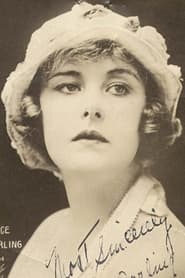
  • It stars Grace Darling, a popular silent-era actress frequently featured in short comedies and dramatic films of the period.
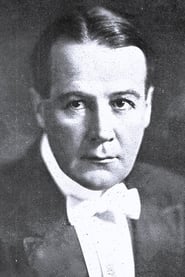
  • Phillips Smalley, one of the credited cast members, was not only an actor but also an important early film director and Weber's professional partner.
  • The film belongs to the early 1910s wave of one-reel comic shorts that depended on a single comic idea, rapid setup, and a punchline ending.
  • The premise hinges on a social reversal: instead of men controlling the proposal narrative, the woman turns their assumptions into the joke.
  • Because it is a film from 1913, it was produced before synchronized sound and before feature-length romantic comedies became standard Hollywood fare.
  • Lois Weber's involvement is especially notable because her reputation today rests largely on more serious features, but she worked across genres including comedy.
  • As with many Keystone productions, the film likely emphasized timing, broad expression, and situation comedy over intertitles-heavy explanation.
  • The movie is a reminder that early silent comedy often explored courtship and marriage as fertile ground for misunderstandings and role reversals.

What Critics Said

Contemporary critical reception is not well documented in surviving sources, which is common for many one-reel films from the 1910s. At the time of release, films like this were usually reviewed briefly, if at all, in trade papers and local exhibitors' columns, with attention focused on whether the comedy played well rather than on auteur analysis. In modern scholarship, the film is valued more as part of Lois Weber's filmography and as an example of early silent comic construction than as a widely discussed standalone classic. Because it is little known and apparently survives only in limited archival awareness, its critical reputation is primarily historical and archival rather than based on broad popular reassessment.

What Audiences Thought

There is no detailed surviving audience-response record for this specific short, but films of this type were designed for immediate, broad audience appeal. The structure suggests it would have worked through quick recognition of a familiar social ritual, followed by the comic pleasure of seeing the proposal scenario inverted and exposed. Early silent audiences were accustomed to films built around physical comedy, surprise endings, and straightforward interpersonal situations, so the film likely functioned as a light amusement rather than a prestige attraction. Its continuing interest today lies in historical curiosity and the appeal of seeing an early women's-directed comedy from the Keystone era.

Film Connections

Influenced By

  • Vaudeville-style domestic farce
  • Early stage comedies built around mistaken identity and social reversal
  • Keystone slapstick and one-reel comic structure

This Film Influenced

  • Later romantic comedies built around proposal misunderstandings
  • Silent-era domestic farces with gender reversal twists

Film Restoration

Preservation status is uncertain in widely accessible public references; the film is listed in archival and database records, but no universally cited modern restoration is known. It should be treated as an early silent short with limited availability, likely surviving only if preserved in an archive or private/collection source. If extant, it is not widely circulated and appears to be obscure rather than commonly accessible.

Themes & Topics