Leap Year
Plot
The film follows a young heir who is expected to inherit the wealth of his domineering, anti-woman millionaire uncle, but whose life becomes complicated when he falls in love with a nurse. In order to impress and amuse the women in his social circle, he offers advice about marriage that quickly backfires and lands him in trouble. His good intentions and romantic impulses collide with the uncle's rigid views and the social expectations surrounding courtship, producing a chain of misunderstandings and comic complications. As the story progresses, the hero must navigate both his uncle's interference and the consequences of his own imprudent counsel before he can win the woman he loves. The plot is built around contemporary social comedy, flirtation, and the satirical treatment of gender relations that were common in mid-1920s American silent comedy.
About the Production
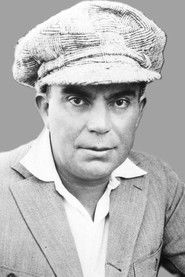
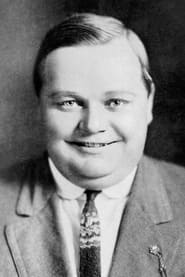
This was a late silent-era Paramount production directed by James Cruze, a filmmaker known for handling broad comedy and large-scale popular entertainment. It was released during a period when Roscoe Arbuckle, billed here under the name William Goodrich after the scandal that had derailed his earlier career, was trying to rebuild his screen presence in lower-profile or supporting work. Surviving information on the film is limited compared with major silent features of the period, and precise production records such as budget and box office are not readily documented in standard reference sources. The film is associated with the star system of the mid-1920s studio era, when Paramount regularly mounted light comic vehicles for its contract players and distributed them nationally through its established release network.
Historical Background
Leap Year was made in 1924, during the peak years of Hollywood's silent studio system and just before the transition to sound began reshaping popular entertainment. American films of this era often used comedy to reflect changing social attitudes toward marriage, femininity, and the role of wealthy men in modern life, and this picture appears to participate in that tradition. It also arrives in the middle of a decade in which Paramount was one of the dominant studios, distributing polished entertainment for a broad national audience. The film is historically interesting because it sits at the intersection of several important silent-era currents: the popularity of marriage comedies, the rise of the feature-length comedy, and the complicated afterlife of Roscoe Arbuckle's career.
Why This Film Matters
While not among the most famous comedies of the silent period, the film is culturally significant as a representative example of 1920s studio comedy and of the way Hollywood handled class, courtship, and gender relations in a light but pointed manner. Its cast composition makes it especially notable for film historians because of Roscoe Arbuckle's presence during his professionally constrained post-scandal years. The film also illustrates how major studios like Paramount kept producing accessible, formula-driven comedies that helped define mainstream American screen humor during the silent era. For modern viewers and researchers, it is valuable less as a canonical classic than as a surviving example of studio comedy craftsmanship and of the changing careers of its performers.
Making Of
Leap Year was mounted as a Paramount silent comedy in the middle of the 1920s, when studios were still releasing a steady stream of feature-length comedies built from social misunderstandings, romantic entanglements, and domestic satire. James Cruze had a reputation for efficient, polished studio craftsmanship, and the film fits comfortably within his ability to deliver mainstream entertainment with clear narrative pacing. The presence of Roscoe Arbuckle under the Goodrich name is one of the most notable behind-the-scenes facts, because by 1924 his career had been radically altered by public scandal and industry caution, and his appearances were carefully managed rather than promoted as they had been in the 1910s. As with many surviving records from the era, the film's day-to-day production history is only partially documented, so the most reliable context comes from the studio system and the careers of the principal creative figures rather than from extensive surviving making-of accounts.
Visual Style
Specific cinematographic credits and technical details are not consistently documented in readily available sources, but as a mid-1920s Paramount silent comedy the film would have relied on clean, readable framing, medium and medium-long shots for dialogue-heavy intertitle exchanges, and straightforward staging to keep the physical comedy legible. Silent comedies of this type generally favored static or lightly mobile cameras that preserved the timing of performance, allowing actors' gestures and facial expressions to carry the humor. James Cruze's productions typically emphasized clarity and efficiency over flashy experimentation, so the visual style was likely polished, conventional, and designed to support narrative rhythm. The film's comedy would have depended heavily on blocking, reaction shots, and the timing of intertitles rather than on elaborate photographic effects.
Innovations
The film does not appear to be associated with major technical innovations, which is typical of mainstream silent comedy features of its period. Its notable achievement lies instead in the polished use of established silent-era storytelling tools: visual timing, intertitle rhythm, character comedy, and compact narrative design. The production reflects the mature stage of silent film craftsmanship in the mid-1920s, when studios had refined the mechanics of comic feature filmmaking. Its historical technical interest is largely tied to preservation and exhibition practices for silent films rather than to pioneering special effects or camera methods.
Music
As a silent film, Leap Year originally had no synchronized recorded soundtrack. It would have been accompanied in theaters by live music, often provided by a house pianist, organist, or small orchestra depending on the venue and budget. Specific cue sheets or original score information are not commonly cited in surviving summaries for this title. Any modern presentation would typically use a reconstructed or newly assembled silent-film accompaniment rather than an original surviving sound track.
Memorable Scenes
- The central comic setup in which the young heir's romantic intentions collide with his uncle's hostile views toward women.
- The sequence built around the hero dispensing marriage advice to his girlfriends and creating confusion for himself.
- The escalating misunderstandings that turn a light courtship story into a chain of comic trouble.
- The social-comedy scenes that play off the contrast between wealth, romance, and conservative ideas about gender.
Did You Know?
- The film was directed by James Cruze, one of Paramount's most prolific directors in the silent era.
- Roscoe Arbuckle appears in the cast during the period when he was largely working under the pseudonym William Goodrich because of the aftermath of the 1921 scandal.
- The title refers to the leap year motif, a familiar comic device in which courtship and marriage conventions can be turned upside down.
- Because it is a 1924 silent comedy, the film would originally have been shown with intertitles rather than synchronized spoken dialogue.
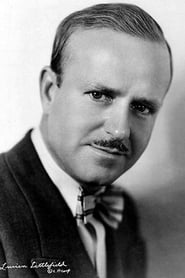
- The cast includes Lucien Littlefield, a dependable comic character actor frequently used in silent-era farces and social comedies.
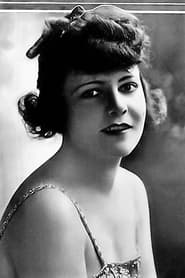
- Mary Thurman, a popular screen actress of the 1920s, was among the supporting names attached to the production.
- The film belongs to the period in which American studios often built comedies around class tensions, marriage customs, and gender politics.
- Information on the film is relatively sparse today, making it less well known than Arbuckle's earlier silent shorts or Cruze's more famous features.
What Critics Said
Contemporary review records for the film are not widely preserved in easily accessible reference sources, so a detailed critical consensus from 1924 is difficult to reconstruct with certainty. In general, James Cruze's comedies were regarded as professional studio entertainments, and the film likely received notice as a light romantic farce rather than as a major artistic statement. Modern critical discussion is limited, and the film is now chiefly of interest to silent-film historians, Arbuckle scholars, and researchers of Paramount's comedy output. Its current reputation is therefore more archival than canonical, valued for its historical context and cast than for an enduring critical legacy.
What Audiences Thought
Audience response is not well documented in surviving summary sources, and no reliable box-office figures are readily available. As a mainstream Paramount comedy, it would have been intended for broad popular consumption, especially among viewers who enjoyed romantic misunderstandings and social satire. The use of a familiar comic structure and recognizable studio performers suggests it was designed to be an agreeable crowd-pleaser rather than a controversial release. Today, its audience is likely limited to specialty silent-film enthusiasts, historians, and viewers seeking lesser-known works from the era.
Film Connections
Influenced By
- Stage farce and drawing-room comedy traditions
- Earlier silent marriage comedies
- The popular 1920s American social comedy formula
This Film Influenced
- Later marriage and courtship comedies of the silent era
- Paramount-era romantic farces built around class and gender misunderstandings
You Might Also Like
More Comedy Films
View allMore from James Cruze
View allFilm Restoration
The film is not widely documented in modern circulation, and complete preservation status is not clearly established in the sources commonly consulted for silent-film reference. It appears to survive in at least some archival or reference form, but it is not generally considered a prominent restored title with widely available modern release materials. Because surviving records are limited, it should be treated as a lesser-known silent film whose current preservation situation may depend on archive holdings rather than commercial distribution. Researchers should verify the latest archive catalogs for the most current status.