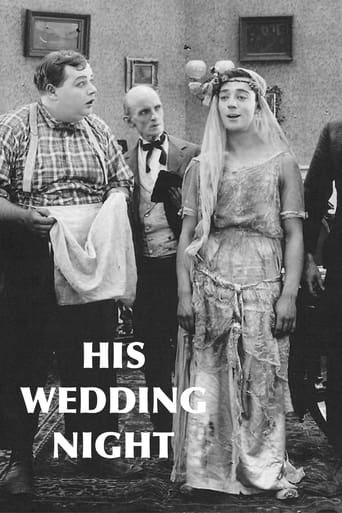
1919 · Approximately 20 minutes

Also available on: Archive.org
Love

Love

1919 Approximately 20 minutes United States
Romantic devotionClass and economic pressureMarriage as transactionCourage under pressureOutwitting the powerful through wit and physical action

Plot

Fatty, a kind-hearted but impoverished farm boy, is hopelessly in love with Winifred, the daughter of a neighboring farmer. When a wealthy neighbor learns that Winifred may be married off to his slow-witted son Al in exchange for a large tract of land, Fatty is suddenly forced into a race against time. With less than a day to stop the match, he throws himself into a series of frantic comic efforts to rescue Winifred from a marriage of convenience and win the day by his own ingenuity and persistence. The story builds toward a broad silent-comedy scramble centered on misunderstandings, physical gags, and escalating chaos as Fatty tries to outwit money, greed, and family pressure. In the end, the film follows the familiar Arbuckle pattern of sentimental romance backed by energetic slapstick, with love triumphant over social and economic calculation.

About the Production

Release Date 1919
Production Comique Film Corporation
Filmed In California, USA

Love was produced during the period when Roscoe Arbuckle was directing and starring in a steady stream of two-reel comedies for Comique, usually with Buster Keaton and later Monty Banks and other supporting players. Like many Arbuckle shorts of the era, it was built around a tight comic premise that combined romantic sentiment with escalating physical comedy, a formula that was highly effective for early audiences. Surviving records for exact budget and box-office performance are not readily documented, which is common for silent shorts from this period. The film was released in the final year of the silent-comedy boom before Arbuckle's post-1921 career collapse, and it reflects the polished timing and rural-comic setting that were hallmarks of his work in the late 1910s.

Historical Background

Love was made in 1919, a year when the American film industry was rapidly consolidating its dominance in the global marketplace and silent comedy was one of its most popular forms. Arbuckle was then among the best-known comedians in the world, working in a period when short-form slapstick films were still central to theatrical programs. The movie also emerged just before major changes in Arbuckle's career and reputation in the early 1920s, which would profoundly affect how his work was distributed, discussed, and preserved. Historically, the film matters as part of the late silent-era comic tradition that bridged early slapstick with the more refined feature comedies of the 1920s. It also reflects the social comic preoccupations of the time: land, marriage, class difference, and the idea that affection and cleverness could triumph over economic bargaining.

Why This Film Matters

Although Love is a short and comparatively modest Arbuckle vehicle, it belongs to a body of work that helped shape the language of screen comedy. Arbuckle's films were important in establishing how a comedian could be both physically agile and emotionally sympathetic, a balance that influenced later stars and directors. The film is also culturally significant as part of the surviving record of an artist whose legacy was partially obscured by scandal and loss, making each surviving title valuable to historians of silent comedy. Its combination of rural Americana, romance, and escalating slapstick exemplifies the comic sensibility that audiences of the era found accessible and highly repeatable. For modern viewers and scholars, the film is a useful artifact of early popular entertainment, star persona construction, and the industrial practices of the silent short subject market.

Making Of

Love belongs to Roscoe Arbuckle's output from the late 1910s, when he was a major comic star and an increasingly confident director working with a regular ensemble of performers. Production on these shorts was typically efficient, with Arbuckle emphasizing timing, stunt business, and the careful build of comic situations rather than elaborate sets or lengthy narrative complexity. The film's premise, a young man trying to rescue his sweetheart from a marriage arranged for land, gave Arbuckle room to mix broad physical humor with a genuinely sympathetic romantic core, something that distinguished his comedy from purely anarchic slapstick. Exact behind-the-scenes documentation is limited, but the film fits the production style of Comique's short comedies: small-scale, location-friendly, and designed for quick theatrical turnover. The presence of Monty Banks suggests the continuing use of capable comic supporting performers who could handle both pratfalls and straight-faced reactions in the Arbuckle style.

Visual Style

The cinematography is characteristic of late-1910s silent comedy: clear staging, medium-distance framing that preserves full-body movement, and uncomplicated compositions that allow the physical action to read instantly. Arbuckle's shorts often favored practical outdoor or rural settings, and Love appears to use that kind of open space to support chase-like movement, comic business, and ensemble action. The visual style is not about atmospheric lighting or complex camera movement; instead, it is about legibility, timing, and the precise placement of actors within the frame. This approach helped establish the grammar of slapstick comedy, where the audience must always be able to track gestures, reactions, entrances, and collisions. The film's cinematography likely emphasizes performance over pictorial flourish, which was ideal for the genre and the era.

Innovations

Love does not appear to be associated with a specific major technical innovation, but it demonstrates the mature comic timing and spatial clarity that were important achievements of silent-era filmmaking. Arbuckle's direction was notable for integrating stunt-based physical comedy with clean narrative setup, so that each gag felt motivated by the story rather than merely inserted. The film also reflects the refinement of short-comedy construction in the late 1910s, where filmmakers used economical setups, rapid escalation, and strong visual readability to maximize audience response. Its technical value today lies in how effectively it preserves the craft of silent slapstick staging and performance.

Music

As a 1919 silent film, Love originally had no synchronized recorded soundtrack. Exhibitors would have accompanied it with live music, typically a theater organ, piano, or small ensemble, and the exact musical selection would have varied by venue and exhibitor practice. No authoritative original score is widely documented for this title. In modern presentations, archival prints of silent comedies are often shown with reconstructed or newly composed accompaniment designed to match the pacing and mood of the action.

Famous Quotes

As a silent film, Love has no synchronized spoken dialogue or canonically preserved famous quote.
Any intertitles originally used would have varied by surviving print and presentation, and no standard quote is widely documented.

Memorable Scenes

  • Fatty realizing that Winifred's future is being bargained away and launching into a frantic effort to stop the wedding arrangement before time runs out.
  • The escalating comic attempts to overcome the wealthy neighbor's influence and the pressure of the impending ceremony.
  • The rural slapstick sequences in which physical mishaps and quick reactions turn a simple love story into a chaotic rescue comedy.

Did You Know?

  • Love is a short silent comedy from 1919, not to be confused with later feature films of the same title.
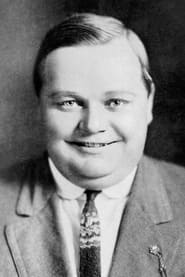
  • The film stars Roscoe 'Fatty' Arbuckle, one of the most influential slapstick comedians and directors of the silent era.
  • Monty Banks appears in the cast, helping place the film within Arbuckle's late-1910s company of comic players.
  • The story uses a classic Arbuckle device: a simple romantic dilemma escalates into frantic physical comedy and rural chaos.
  • The film was made by Comique Film Corporation, the production company associated with Arbuckle's short comedies.
  • Like many silent comedies of the period, it relied heavily on visual gags, situational escalation, and expressive physical performance rather than intertitles.
  • The movie is part of Arbuckle's pre-scandal filmography, which became historically significant because so much of his work was later neglected or lost.
  • A number of Arbuckle shorts survive only in incomplete or archival prints, making preservation history an important part of studying this era.
  • The film is representative of the transitional moment when Arbuckle was refining the style that would later influence both Buster Keaton and broader screen comedy.
  • Its rural setting and marriage-market premise reflect a recurring silent-era comic interest in small-town social customs, property, and courtship.

What Critics Said

Contemporary critical commentary specific to Love is sparse, which is common for many one-reel and two-reel comedies from the silent period. In its own time, Arbuckle's films were generally well regarded for their polish, speed, and crowd-pleasing physical humor, and this title fits that broader pattern even if individual reviews are difficult to recover. Modern assessment tends to view the film primarily as a historical document within Arbuckle's filmography rather than as a widely discussed masterpiece. Scholars and silent-comedy enthusiasts often value such shorts for their craftsmanship, their evidence of Arbuckle's directorial style, and their role in mapping the evolution of screen slapstick. Reception today is therefore largely archival and critical-historical rather than mainstream popular.

What Audiences Thought

Original audience response is not well preserved in surviving documentation, but Arbuckle's comedies were typically strong draws because they offered clear stories, rapid gags, and a likable star persona. The romantic stakes in Love would likely have made the film especially accessible to general audiences, while the slapstick complications provided the energetic payoff expected from a comic short. Because short subjects were often shown as part of larger programs, the film's success would have been measured in applause, repeat bookings, and the continuing popularity of Arbuckle's name rather than in detailed box-office records. Today, audiences encounter the film primarily through archival screenings or collections, where its charm lies in the directness of silent physical comedy and the historical presence of one of the era's great screen comedians.

Film Connections

Influenced By

  • The rural farce traditions of American stage comedy
  • Early Keystone and Sennett-style slapstick
  • Vaudeville physical comedy
  • Broad comic courtship narratives common in silent shorts

This Film Influenced

  • Later slapstick comedies that paired sentimental romance with escalating physical chaos
  • Buster Keaton's early comic sensibility developed in part through the Arbuckle school of timing and visual clarity
  • The broader tradition of American romantic slapstick short subjects

Film Restoration

Preserved in archival form; like many silent shorts of the era, it survives as a historically important archival title and may circulate in restored or transferred prints rather than in widespread commercial distribution.

Themes & Topics

silent comedyfarm romanceland deallove triangleslapstick rescuemarriage plot