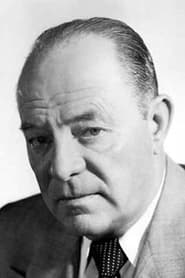
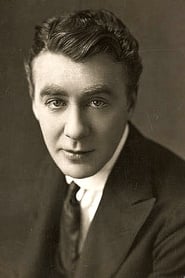
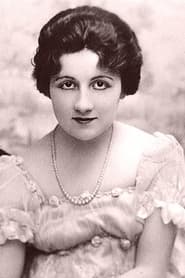
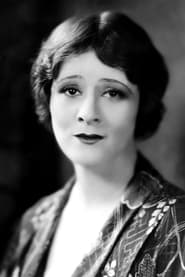
1920 · Unknown

Also available on: Archive.org
Stop Thief

Stop Thief

1920 Unknown United States
Mistaken identityDomestic farceCrime and guiltRomantic partnershipClass tension and social disguise

Plot

Jack Dougan and Snatcher Nell are a romantic pair of small-time crooks who plan to take advantage of a wealthy wedding celebration by stealing the gifts before anyone notices. To infiltrate the Carr household, Nell disguises herself as a maid and moves among the servants while Jack watches for the right moment to strike. Their scheme quickly spirals into comic confusion when articles begin disappearing from the house, causing suspicion to fall in the wrong direction. Madge Carr's father, who is secretly a kleptomaniac, becomes increasingly uneasy as the stolen items begin to trigger his own guilty conscience, while the groom James Cluney nearly convinces himself that he may be the thief. The resulting farce mixes romance, mistaken suspicion, and escalating domestic chaos until the criminals' plan is overwhelmed by the absurdity of the situation.

About the Production

Release Date 1920
Production Metro Pictures Corporation
Filmed In United States

Stop Thief was made during the silent-era studio period at Metro Pictures, a company that frequently turned out compact feature-length comedies and melodramas for the national market. Like many films of its era, it was produced without surviving studio publicity records that would clearly document budget, exact shooting locations, or box-office totals. The film appears to have been staged largely on interior sets designed to support farce, costume disguise, and domestic confusion rather than on elaborate location photography. Its premise depends on rapid misunderstandings and physical business, suggesting a production style tailored to silent comedy performance rather than dialogue-driven humor.

Historical Background

Stop Thief was made in 1920, during the height of the American silent feature era, when Hollywood studios were rapidly standardizing production and distribution for a national audience. The United States was emerging from World War I and entering the socially restless but commercially booming early 1920s, a period that favored escapist entertainment, fashionable domestic comedy, and polished star vehicles. Metro Pictures was one of the leading companies in the pre-merger studio landscape, and films like this represent the industrial and aesthetic conditions that would soon feed into the formation of MGM in 1924. The movie also reflects a broader silent-era fascination with criminals who are more amusing than threatening, allowing audiences to enjoy transgression without serious moral discomfort. Its use of a kleptomaniac character fits a contemporary taste for eccentric behavior as comic device, while the home-invasion premise turns ordinary domestic space into a stage for social confusion and class-based satire.

Why This Film Matters

Although Stop Thief is not among the best-known surviving silent comedies, it is valuable as an example of the kind of mid-tier studio entertainment that shaped everyday moviegoing in the 1920s. The film illustrates how silent cinema often built comedy from disguise, misunderstanding, and the social tensions of household life, motifs that would continue through later screwball comedy and farce. Its premise of competing thieves and misplaced guilt also shows how early cinema could turn moral categories upside down for comic effect, making vice seem playful and socially contained. As part of Harry Beaumont's early filmography, it helps chart the development of a director who would later become central to the transition from silent to sound-era prestige production. For historians, the film matters less as a canonical classic than as a surviving record of studio-era comic conventions, star casting, and pre-sound storytelling practices.

Making Of

Stop Thief was produced in an era when studio comedies were often built around simple but durable premises that could be staged economically and understood immediately by audiences. Harry Beaumont was still in the early part of his directing career, and films like this helped establish his ability to handle polished commercial entertainment before he moved into more prestigious studio assignments. The cast included established screen personalities such as Tom Moore and Irene Rich, whose performances would have depended on expressive physical timing and clear silent-era characterization rather than spoken dialogue. As with many 1920 productions, the surviving record does not preserve detailed production anecdotes, but the film likely relied on set-based action, exaggerated reactions, and careful blocking to carry the comic misunderstandings. The material suggests a production designed to emphasize charm, confusion, and light romantic criminality rather than elaborate stunt work or location spectacle.

Visual Style

Specific cinematographer credits and technical details are not consistently documented in the surviving summary sources for this film, but the visual style would have been shaped by silent-era studio practice. A comedy built around domestic theft and mistaken suspicion would typically rely on clear framing, readable entrances and exits, and brisk shot construction that allows the audience to track multiple characters in the same space. The film likely used modest interior set design, emphasizing doorways, service areas, and household rooms as comic arenas for concealment and revelation. In silent comedies of this period, the camera was often kept relatively stable so that physical performance and blocking could carry the humor, and Stop Thief probably followed that practical approach.

Innovations

Stop Thief does not appear to be associated with major technical innovations, but it belongs to the highly refined silent-era system of visual comedy storytelling. Its effectiveness would have depended on precise staging, legible costume disguise, and coordinated ensemble movement within domestic spaces. The film demonstrates the period's skill at communicating character motivation and narrative turns without spoken dialogue, using gesture, intertitle rhythm, and visual irony. The comic structure, especially the layering of theft, guilt, and mistaken self-incrimination, is a good example of how silent features could sustain complex farce through purely visual means.

Music

As a silent film, Stop Thief did not have a synchronized recorded soundtrack in the modern sense. Any music heard during original exhibition would have been supplied live by theater musicians, often a pianist, organist, or small orchestra depending on venue and budget. Specific original cue sheets or commissioned score materials are not widely documented in the surviving record. Modern screenings, if any, may use compiled silent-film accompaniment created later by archivists or exhibitors rather than an authentic original score.

Memorable Scenes

  • Nell disguises herself as a maid and enters the Carr household to prepare the theft of the wedding gifts.
  • The gradual disappearance of household articles creates a chain reaction of suspicion and embarrassment among the family and guests.
  • Madge Carr's father, a kleptomaniac, becomes increasingly uneasy as his own compulsions make him think he may be the culprit.
  • James Cluney, the groom, nearly convinces himself that he is somehow responsible for the missing items, turning the comedy into a sustained exercise in self-doubt.

Did You Know?

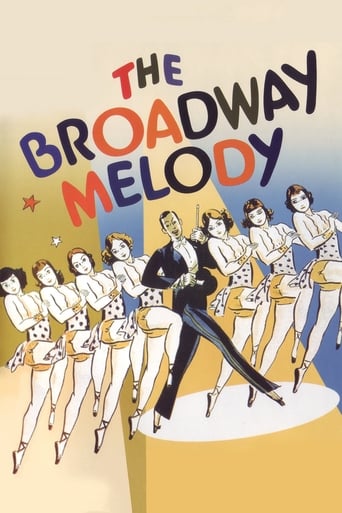
  • This is a silent-era comedy directed by Harry Beaumont, who would later become much better known for directing Greta Garbo in The Broadway Melody and other MGM productions.
  • The film stars Tom Moore, Hazel Daly, and Irene Rich, all of whom were active screen performers in the 1910s and early 1920s.
  • The title refers to the comic criminal premise, but the plot also includes a kleptomaniac father, which creates a double layer of theft-related humor.
  • The story uses a classic disguise-and-infiltration setup, with Nell entering the household as a maid to enable the heist.
  • The movie is from the Metro Pictures era, before the company became part of the later Metro-Goldwyn-Mayer studio identity.
  • Because it is a silent film from 1920, any original musical accompaniment would have depended on the theater showing it rather than a fixed synchronized soundtrack.
  • The plot's mistaken suspicions and domestic confusion place it firmly in the tradition of silent slapstick and social farce.
  • No verified surviving award history is known for the film, which is typical for many mid-budget silent pictures that were released before the modern awards system was fully established.
  • The film's surviving documentation is sparse, which makes it harder to reconstruct exact exhibition details such as premiere city, original theatrical advertising copy, or full runtime.
  • Its premise of a thief becoming entangled with another thief's hidden guilt reflects the era's fondness for comic irony and moral reversal.

What Critics Said

Detailed contemporary reviews are not widely preserved in readily accessible sources, so the film's exact critical reputation at the time is difficult to reconstruct with certainty. Based on its genre and studio context, it was likely received as a light, competent silent comedy built on familiar farcical conventions rather than as a major prestige release. Modern assessment is similarly limited by the scarcity of surviving prints and documentation, which means the film is discussed more often in archival and filmographic contexts than in broad critical literature. When mentioned today, it is usually noted as an example of early 1920s studio comedy and as part of the work of Harry Beaumont and its principal players rather than as a frequently revived classic. Its critical standing is therefore primarily historical and archival rather than canonical.

What Audiences Thought

There is no comprehensive surviving audience survey data for the film, but as a 1920 Metro comedy it would have been aimed at general urban and small-town movie audiences seeking fast-moving entertainment. The premise suggests broad appeal, since the humor depends on easily readable situations, mistaken guilt, and romantic criminal banter that would translate well across silent exhibition. Films of this sort were typically programmed as part of regular commercial theater bookings rather than as special events, so audience response would have been measured more by box-office circulation and repeat playdates than by formal fan feedback. The presence of recognizable screen actors would also have helped audience draw, especially in an era when star names were increasingly important to marketing. Because preservation is limited, direct evidence of audience enthusiasm is thin, but the film likely functioned as a solid, accessible crowd-pleaser within the studio comedy market.

Film Connections

Influenced By

  • Stage farce and comic theft plots popular in early twentieth-century theater
  • Silent slapstick traditions emphasizing disguise, misunderstanding, and physical timing
  • Victorian and Edwardian comic fiction about burglary, household confusion, and social masquerade

This Film Influenced

  • The exact influence trail is difficult to document because the film is obscure and surviving records are limited
  • Its disguise-and-heist structure anticipates later domestic farce and screwball comedy patterns

Film Restoration

Preservation status is uncertain from the readily available records; the film is not widely circulating and appears to survive, if at all, in limited archival documentation rather than as a commonly accessible restored title. No widely publicized restoration is known.

Themes & Topics

heistwedding giftsmaid disguisekleptomaniacmistaken suspicionsilent comedy