The Finances of the Grand Duke
Plot
The friendly but financially troubled Grand Duke of Abacco faces the collapse of his small state when he can no longer service its debt and a powerful creditor moves toward taking control of the duchy. A politically useful marriage to Olga, Grand Duchess of Russia, could save him, but the key letter confirming the engagement has been stolen, throwing the plan into chaos. At the same time, revolutionaries, opportunists, and a shady businessman all begin circling the Grand Duke, each hoping to profit from the crisis or reshape the government to their own advantage. When the adventurous Philipp Collins enters the court’s affairs, the story becomes a fast-moving tangle of chases, disguises, intrigues, and reversals, with the Grand Duke repeatedly caught between his charm, his obligations, and the increasingly absurd pressures of statecraft. The film plays as a satirical comedy of aristocratic finance and political instability, turning a miniature nation’s crisis into a whirlwind of romantic and comic complications.
About the Production
The film was made in the late Weimar Republic during the peak of German studio production, when UFA and affiliated companies were turning out sophisticated commercial entertainment for both domestic and export markets. It is a silent comedy-drama directed by F. W. Murnau, a filmmaker far better known internationally for expressionist and atmospheric works, which makes this lighter, more farcical title especially interesting within his career. Surviving documentation on the production is limited, and precise budgetary or location details are not readily verifiable from standard reference sources. Like many German films of the period, it was likely shot largely on studio sets with carefully controlled interior work and selective exterior filming, but exact on-location information is not reliably documented.
Historical Background
The film was made in 1924, a pivotal year in the Weimar Republic. Germany was emerging from a period of catastrophic inflation and social upheaval, and public consciousness was saturated with questions of debt, state solvency, political legitimacy, and class privilege. A comedy centered on a grand duke in financial distress would have had added resonance for contemporary audiences because it transformed serious national anxieties into satirical entertainment. The film belongs to a broader European silent-era tradition of mocking aristocratic systems, bureaucratic fragility, and the instability of small-state politics. It also sits within the high point of German studio filmmaking, when UFA and related companies were producing works that combined craft, star power, and exportable appeal.
Why This Film Matters
Although not among Murnau's most famous films, The Finances of the Grand Duke is culturally significant as evidence of the range of German silent cinema and of Murnau's versatility beyond expressionist masterpieces. It demonstrates how Weimar filmmakers used comedy and melodramatic intrigue to reflect contemporary economic and political anxieties in a commercially accessible form. The film is also notable as a reminder that Murnau's oeuvre included genre experimentation and not only the atmospheric, solemn works that dominate his reputation. For film historians, it contributes to a fuller understanding of the industrial and artistic ecosystem of 1920s German cinema, where star actors, studio craftsmanship, and topical satire often intersected. Its survival in film-historical memory is important precisely because it expands the picture of what a major director could do within the silent-era studio system.
Making Of
The Finances of the Grand Duke was produced during a period when German studios were balancing prestige art cinema with commercially attractive entertainment, and this title fits the latter category while still benefiting from Murnau's name recognition. Although Murnau is usually discussed for his visually ambitious dramatic works, this film shows that he could also navigate lighter genre material involving pacing, ensemble action, and farcical plotting. The production documentation that survives does not provide many granular details about casting disputes, set construction, or shooting hardships, so the behind-the-scenes record is relatively sparse compared with Murnau's more famous films. What can be said with confidence is that the film emerged from the well-developed German studio system, likely using designed interiors, performance-driven comedy, and careful editing to keep the multiple plot threads moving briskly. Its existence also reflects the industrial versatility of Weimar cinema, where even major auteurs sometimes worked on genre pieces that were intended to satisfy broad popular tastes.
Visual Style
The film would have relied on the polished studio cinematography typical of mid-1920s German production, emphasizing clear staging, expressive close-ups, and carefully composed ensemble blocking. As a silent comedy-drama, visual clarity was essential: the narrative depends on stolen letters, secret deals, mistaken intentions, and rapid shifts in status, all of which require readable framing and precise editorial rhythm. Even if the film is not celebrated for radical visual experimentation, it likely benefits from the strong craft standards associated with Weimar studio filmmaking, where lighting, set design, and camera placement were used to support both farce and intrigue. Murnau's reputation for visual control suggests that, even in a lighter piece, the film would have been constructed with attention to movement within the frame and the rhythm of comic escalation.
Innovations
The film's main technical achievement lies in its polished integration of comedy, intrigue, and visual storytelling within the silent format. Its narrative requires efficient handling of multiple plotlines, and that complexity would have depended on precise editing and clear scene construction. As a German studio production from the mid-1920s, it also reflects the high technical standards of lighting, set design, and camera work that made Weimar cinema internationally influential. There is no strong evidence that it introduced a major cinematic innovation on the level of some of Murnau's later works, but it remains notable for showing how accomplished silent filmmaking could serve light satire as effectively as serious drama.
Music
As a silent film, The Finances of the Grand Duke had no synchronized recorded soundtrack at release. Its original exhibition would have depended on live musical accompaniment, which could range from a single pianist to a full theater orchestra depending on venue and market. No universally standard original score is widely documented in surviving references, and modern presentations may use reconstructed or newly composed accompaniments. The musical experience would therefore have varied significantly from screening to screening in the silent era.
Memorable Scenes
- The discovery that the crucial engagement letter has been stolen, setting off the central cascade of confusion and political danger.
- The Grand Duke being forced to navigate competing pressures from creditors, revolutionaries, and opportunists while trying to preserve his duchy.
- The entrance of adventurer Philipp Collins, which transforms the court crisis into a more frantic sequence of chases and counter-plots.
- The comic collision between aristocratic ceremony and mundane financial desperation, which underlines the film's satirical tone.
Did You Know?
- The film is one of the lesser-known titles in F. W. Murnau's career and shows him working in a lighter, more overtly comic mode than in his most famous horror and melodrama films.
- It is a silent film, so its original presentation depended heavily on intertitles, visual performance, and live musical accompaniment.
- The story satirizes aristocratic finance and state politics, a theme that would have resonated in the unstable economic climate of Weimar Germany.
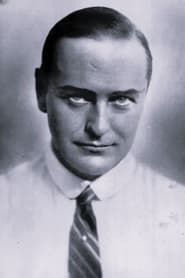
- Harry Liedtke, one of the leading actors, was a major German romantic leading man of the silent era.
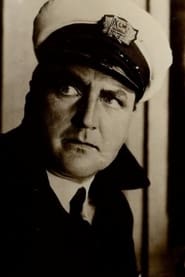
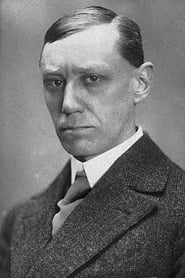
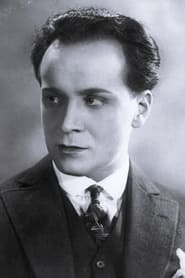
- Adolphe Engers and Ilka Grüning were both familiar faces in German-language cinema and stage performance, adding strong character-actor support to the film.
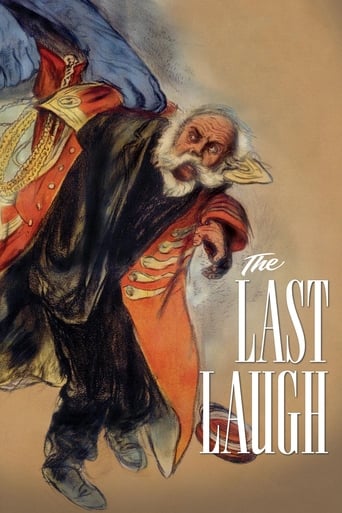
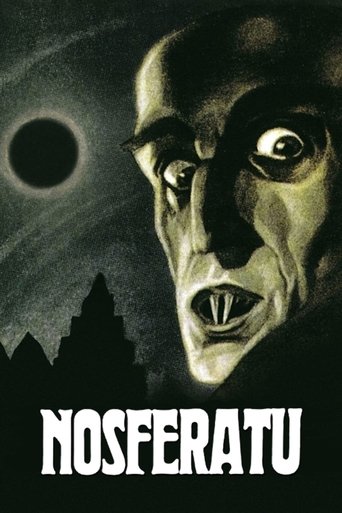
- Because the film survives mainly as a historical record rather than a widely circulated repertory title, it is far less familiar to general audiences than Murnau's Nosferatu or The Last Laugh.
- The movie belongs to the wave of sophisticated German studio comedies that blended social satire, romance, and intrigue for urban audiences in the mid-1920s.
- The title is often translated or cataloged in English as The Finances of the Grand Duke, but it is a German production and should not be confused with similarly titled aristocratic comedies from other countries.
- The film's plot structure, centered on stolen correspondence and courtly maneuvering, reflects popular silent-era comedy devices rather than the gothic or psychological style usually associated with Murnau.
- Its mix of revolutionaries, financiers, and a playful grand duke creates a distinctly Weimar-era satire of authority, money, and political legitimacy.
What Critics Said
Contemporary critical reaction is not well documented in widely accessible modern reference sources, and the film is not among the silent-era Murnau titles that generated extensive later critical canonization. At the time of release, it would likely have been received as a polished entertainment piece rather than a landmark art film, especially given its comic subject and brisk plot mechanics. Modern critics and historians tend to approach it primarily as a curiosity within Murnau's filmography and as a useful example of Weimar-era commercial filmmaking. Because it is less frequently screened and discussed than Murnau's canonical works, detailed critical reassessment remains limited, though it is generally valued by scholars for broadening the understanding of his career.
What Audiences Thought
Audience reception is difficult to quantify because box office records and detailed audience response data are not readily available. As a silent-era German studio comedy-drama with recognizable stars, it was likely intended for middle-class urban audiences who enjoyed polished escapist entertainment with social satire. Its topical elements—financial crisis, political maneuvering, and aristocratic embarrassment—would have been accessible and potentially amusing to viewers living through the instability of the Weimar period. Today, general audiences encounter it far less often than Murnau's best-known films, so its modern reception is primarily shaped by archival interest and film-historical curiosity rather than mass popularity.
Film Connections
Influenced By
- Weimar-era satirical comedies
- Aristocratic farce traditions in European theater
- Silent-era intrigue melodramas
- Popular serial-style chase comedies
This Film Influenced
- Later European comedies satirizing monarchy and aristocracy
- Weimar-era political farces
You Might Also Like
More Comedy Films
View allMore from F. W. Murnau
View allFilm Restoration
The film is not known to be lost and is generally regarded as extant in archival or preserved form, though it is not a widely circulated title and access may be limited. Detailed restoration history is not well documented in commonly available references. It is best described as surviving but relatively obscure, with availability dependent on archive holdings and occasional repertory or scholarly access.