The Secret Game
Plot
In the office of Major Northfield, the quartermaster for the Pacific Coast, officials discover that secret information about American troop transports crossing the Pacific is being leaked to the enemy. Because the safety of those ships has been guaranteed diplomatically by Japan, the Japanese detective Nara-Nara is assigned to investigate the breach and determine who is responsible. He initially suspects Northfield, but the true culprit is Northfield's secretary, Kitty Little, a young woman of German ancestry who has been passing information to the German agent Dr. Ebell Smith. As Nara-Nara becomes emotionally drawn to Kitty, the investigation deepens into a conflict between duty, loyalty, and personal feeling. The story culminates with Nara-Nara uncovering the truth about Kitty's role in the leak and confronting the consequences of her espionage and his own divided loyalties.
About the Production
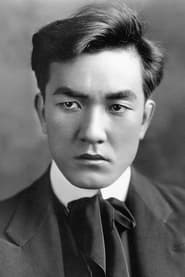
The film was produced during the silent era under the Lasky feature-banner system associated with Paramount distribution. It was directed by William C. deMille, whose stage-trained approach often emphasized polished dramatic construction and character-driven melodrama. The presence of Sessue Hayakawa in a leading role is significant, as he was one of the most prominent Asian actors in American cinema of the period and was frequently cast in roles that exploited his star persona and screen charisma. Like many 1917 productions, exact budget and box-office records are not readily documented in surviving studio records, and the film is generally discussed today through plot summaries, period trade notices, and archival holdings rather than comprehensive production files.
Historical Background
The Secret Game was released in 1917, the same year the United States entered World War I, and its plot is steeped in the anxieties of wartime intelligence, sabotage, and divided allegiance. American cinema at the time often turned current events into melodramatic narratives that both entertained and reinforced public attitudes about national security and foreign enemies. The story's German spy elements and suspicion of a character with German ancestry reflect the intense social pressure and anti-German sentiment that marked the period. The film also sits within the broader development of the feature film as the dominant commercial form, with studios like Jesse L. Lasky Feature Play Company producing polished, star-driven dramas for nationwide distribution. Its inclusion of Sessue Hayakawa is historically important because it reveals both the opportunities and limitations faced by Asian performers in early Hollywood, where visibility could coexist with stereotyping and constrained roles.
Why This Film Matters
The film is culturally significant as an early American espionage melodrama that merges wartime propaganda, romance, and racialized casting. Sessue Hayakawa's central role contributes to film history because he was among the first major Asian stars in the United States, and his career challenged some contemporary assumptions about who could function as a romantic lead on screen. At the same time, the film also reflects the racial and political prejudices of its era, especially in its treatment of German ancestry as a marker of suspicion and its reliance on wartime stereotypes. For scholars of silent cinema, the film is valuable as an example of how studio melodramas translated world events into intimate domestic conflict. Even when not widely screened today, it remains important to discussions of early Hollywood, representation, and the evolution of espionage narratives in film.
Making Of
The Secret Game was mounted at a time when American studios were rapidly expanding feature-length production and responding to the topical demand for war-related stories. William C. deMille, who often worked with carefully structured scripts and socially aware melodrama, directed the film with an emphasis on intrigue and emotional tension rather than action spectacle. Sessue Hayakawa's participation would have been especially noteworthy in 1917 because his stardom helped legitimize him as a romantic and dramatic lead at a time when Asian actors were rarely given prominent positions in mainstream American features. The film's wartime subject matter suggests a production shaped by contemporary headlines and by studio confidence that audiences would respond to espionage stories tied to international loyalty and military secrecy. Precise day-to-day production anecdotes are scarce, but the surviving record indicates a polished Paramount-era feature made for broad circulation during the last years of silent cinema's first major expansion.
Visual Style
Specific shot-by-shot cinematographic documentation is limited, but the film likely employed the clean, stable visual style typical of mid-1910s studio dramas, with compositions designed for legibility and expressive blocking. William C. deMille's productions often favored restrained staging, clear spatial relationships, and careful attention to actors' gestures and facial expressions, all crucial in silent storytelling. The film probably relied on intertitles, medium shots, and controlled interior settings to sustain suspense around the secretive office environment and the revelation of the leak. Because the plot involves political intrigue and covert communication, visual emphasis would have fallen on props, glances, and the contrast between public duty and private deception. As a Paramount/Lasky-era feature, it would have been crafted for clarity and dramatic elegance rather than experimental camerawork.
Innovations
The film does not appear to be associated with major technical innovations, but it exemplifies the increasingly polished feature-film production standards of the late 1910s. Its achievement lies more in narrative construction and star casting than in special effects or camera experimentation. The handling of espionage material within a domestic office setting would have required careful editing and precise intertitle placement to maintain suspense and clarify shifting suspicion. As a wartime melodrama, it demonstrates how silent cinema could efficiently convey complex political information and character motivation without sound. It is also notable for sustaining a serious dramatic tone around an Asian lead actor in a period when such opportunities were rare, even if the role itself was shaped by contemporary stereotypes.
Music
As a 1917 silent film, The Secret Game had no synchronized recorded soundtrack. It would originally have been exhibited with live musical accompaniment, typically by a theater pianist, organist, or small ensemble, using music chosen to match suspense, romance, and patriotic tension. Specific cue sheets or commissioned score documentation are not widely reported in surviving accessible sources for this title. Modern screenings, if available, would generally use historically informed piano accompaniment or archive-created scoring based on silent-film practice.
Memorable Scenes
- Nara-Nara is assigned to investigate the leak in the quartermaster's office, establishing the central mystery and the tension between official suspicion and hidden truth.
- The revelation that Kitty Little, not Major Northfield, is passing information to the German agent Dr. Ebell Smith provides the film's dramatic pivot and moral shock.
- Nara-Nara's emotional attraction to Kitty complicates his investigation, turning the espionage plot into a tragic conflict between love and duty.
Did You Know?
- Sessue Hayakawa was one of the biggest international stars of the silent era, and his casting in the lead was a major attraction for contemporary audiences.
- William C. deMille, the brother of Cecil B. DeMille, was known for refined drawing-room dramas and stage adaptations rather than spectacle-heavy filmmaking.
- The film's espionage plot reflects wartime anxieties surrounding German sabotage and leaks during World War I, a highly topical subject in 1917.
- The character of Nara-Nara is notable as an early example of a Japanese detective figure in American popular cinema.
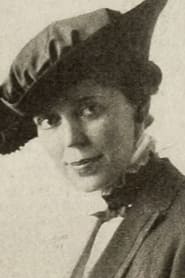
- Florence Vidor appears early in her screen career; she later became a prominent silent-era leading lady.
- Because many silent-era films are lost or fragmentary, surviving documentation for The Secret Game is limited and often depends on catalog records and brief contemporary references.
- The movie combines melodrama, romance, and wartime intrigue, a common blend in mid-1910s feature filmmaking.
- The plot's focus on a woman of German ancestry passing secrets reflects the heightened suspicion toward German-Americans during World War I.
- The title The Secret Game likely refers both to the covert intelligence operation and to the emotional manipulation among the central characters.
- The film is sometimes of interest to historians for what it reveals about racial casting, wartime propaganda, and the treatment of Asian characters in early Hollywood.
What Critics Said
Contemporary critical reception is not extensively preserved in the surviving record available today, but the film was presented as a serious dramatic feature rather than a light program item. Trade and historical references suggest it was treated as a topical star vehicle, with attention likely focused on the cast, especially Sessue Hayakawa and the film's war-related suspense. In retrospect, critics and film historians tend to view it less as a canonical title than as a revealing artifact of silent-era production patterns, wartime ideology, and ethnic representation. Its modern reputation is therefore shaped more by historical interest than by broad popular reevaluation, and assessments tend to emphasize context, performance, and subject matter over formal innovation. Because the film appears to survive incompletely or is difficult to access, detailed critical reassessment has been limited.
What Audiences Thought
Specific audience-response data such as ticket sales, fan reactions, or exhibition history is not well documented in accessible surviving sources. As a wartime melodrama with a prominent star and topical espionage premise, it likely appealed to viewers interested in contemporary stories of patriotism, secrecy, and international intrigue. Sessue Hayakawa's popularity would have been a major draw, particularly for audiences already familiar with his screen persona. Like many silent-era features, reception would also have varied by region and by the political climate of local exhibition, especially given the subject's anti-German implications. Today, audience interest is mainly among silent-film enthusiasts, historians, and viewers drawn to early star vehicles and lost or obscure cinema.
Film Connections
Influenced By
- World War I espionage headlines
- popular stage melodramas
- contemporary anti-spy fiction and wartime newspaper stories
This Film Influenced
- Early silent-era espionage melodramas
- later wartime spy dramas that mixed romance with intelligence work
- films featuring Asian detective or investigator characters in American cinema
You Might Also Like
More Drama Films
View allMore from William C. deMille
View allFilm Restoration
The film is not widely available in modern circulation, and complete preservation status is uncertain in commonly accessible sources. It appears to be obscure and may survive only in limited archival records or incomplete holdings rather than as a readily accessible restored title. If extant, it is not known as a widely restored or regularly screened classic; most modern references rely on databases, plot summaries, and historical documentation.