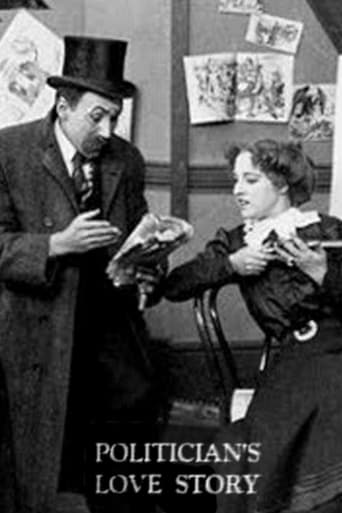
Help! Help!
"null"
Plot
"Help! Help!" is a one-reel Keystone comedy that parodies the serious suspense melodramas of the early 1910s, especially D. W. Griffith-style domestic peril pictures such as "The Lonely Villa." The story centers on a woman who becomes convinced that burglars are about to break into her home, and in panic she telephones her husband at his office to rush back immediately. The husband attempts to race home in a chauffeur-driven automobile, but the film turns his urgent return into a chain of comic delays, misunderstandings, and escalating physical chaos. Like many Mack Sennett productions, the humor depends on frantic motion, broad reactions, and visual gags that mock the conventions of respectable dramatic cinema while still delivering a suspense setup the audience immediately recognizes.
About the Production
"Help! Help!" was produced during the earliest years of Keystone’s rapid-fire comedy output, when Mack Sennett and his players were refining the anarchic style that made the studio famous. As a one-reel short, it was designed for fast production and quick exhibition, and it likely relied on simple sets, stock domestic interiors, and exterior street action typical of Keystone comedies of the period. The film is notable as a parody of contemporary melodramas, demonstrating how quickly early comedians were responding to and satirizing popular narrative formulas. It also fits the transitional moment in silent comedy when comic narrative was becoming more elaborate, but still depended heavily on staged chaos and visual escalation rather than intertitles or sophisticated editing.
Historical Background
"Help! Help!" was made in 1912, a year when American cinema was rapidly evolving from short one-reel attractions into a more complex narrative medium. At the same time, prestige melodramas from companies associated with Griffith had helped establish film as a serious storytelling form, which created fertile ground for parody. Keystone’s comedies emerged in this climate as a countercurrent: irreverent, fast, and aggressively physical, designed to puncture the dignity of respectable drama. The film also reflects a period when domestic security, modern technology like the telephone and automobile, and urban speed were becoming common cultural symbols in American life, making them perfect ingredients for comedy. Historically, it matters because it shows early silent comedy already engaging in media self-awareness, parodying not only story conventions but the emotional behavior that film melodrama had trained audiences to expect.
Why This Film Matters
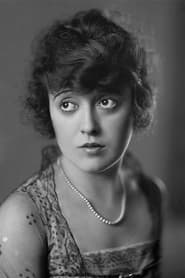
The film is significant as an early example of cinematic parody and genre satire in the American silent era. By mocking a famous style of suspense filmmaking, it demonstrates how quickly cinema developed an internal culture of references, where filmmakers and audiences shared knowledge of recent hits and recognizable storytelling formulas. It also belongs to the formative Keystone tradition that helped define slapstick as more than random antics: it could be pointed, topical, and intertextual. The presence of Mabel Normand adds cultural importance, since she was among the first major female comedians in film and helped legitimize women as active participants in screen comedy rather than merely straight men or romantic foils. In a broader sense, films like this helped pave the way for later film parodies, from silent-era spoofs to modern genre pastiche.
Making Of
"Help! Help!" was made in the Keystone environment that Mack Sennett developed into a comedy machine: fast turnaround, minimal retakes, broad acting, and gags constructed for immediate audience payoff. The film’s satire of melodrama reflects Sennett’s awareness that the audience already knew the tropes of peril-at-home stories and would enjoy seeing them reduced to absurdity. In productions like this, the set-up had to be legible almost instantly, which meant that performers such as Mabel Normand could establish panic or indignation with highly readable physical gestures. The husband’s attempt to rush home in a chauffeur-driven automobile likely provided the main action opportunities for speed, obstruction, and comic mishap, hallmarks of Keystone staging. As with many films from this era, precise behind-the-scenes production records are limited, but the film clearly belongs to the early phase of slapstick when parody and chase comedy were being fused into a recognizable style.
Visual Style
The film likely uses the flat, proscenium-oriented camera setups common to early 1912 Keystone productions, with action staged to be legible in a single frame or simple sequence of frames. Composition would have favored clarity over visual subtlety, allowing the audience to track frantic movement, entrances and exits, and the comic build-up of confusion. Like much silent comedy of the period, the visuals would have depended on physical business and timing rather than camera movement or expressive lighting. Any suspense effect would come from staging and rapid action, while the parody emerges from the exaggerated seriousness of the characters contrasted with the absurdity of the situations. The chauffeur-driven automobile sequence, if surviving in description or fragment, would have offered the kind of outdoor kinetic spectacle Keystone specialized in.
Innovations
The film is notable less for technical innovation in the modern sense than for its early and effective use of parody as a cinematic form. It demonstrates how silent cinema could quote and satirize other films through staging, acting style, and narrative situation without needing dialogue. The juxtaposition of melodramatic premise with slapstick resolution shows an early mastery of genre inversion. Its action-oriented automobile sequence would also have played to the era’s fascination with modern mobility, using speed as a comic engine. In the broader history of film comedy, it represents a step in the development of screen parody and the Keystone approach to kinetic visual humor.
Music
As a 1912 silent film, "Help! Help!" had no synchronized recorded soundtrack. It would have been accompanied in exhibition by live music from a theater pianist, organist, or small ensemble, with cueing based on the exhibitor’s practice and the mood of the scene. Music likely emphasized urgency, comic acceleration, and melodramatic parody, switching between suspenseful figures for the home-invasion setup and lively rhythmic passages for pursuit and chaos. No original cue sheet is widely known for this title.
Famous Quotes
Help! Help!
null
Memorable Scenes
- The woman’s frantic realization that burglars may be approaching and her immediate telephone call to her husband, which sets up the melodramatic premise only to undercut it through comedy.
- The husband’s attempt to rush home in a chauffeur-driven automobile, a comic chase-style escalation that turns urgent rescue into visual chaos and delay.
Did You Know?
- The film is a direct parody of melodramatic domestic thrillers popular in the early 1910s, especially D. W. Griffith’s "The Lonely Villa.
- Mabel Normand was one of Keystone’s most important comic performers and one of the few women of the era who regularly starred in slapstick comedies.
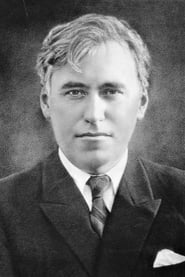
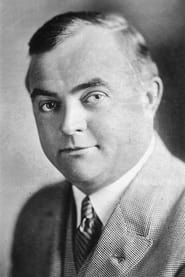
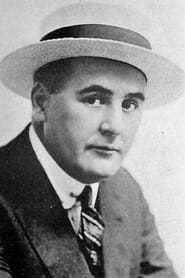
- Fred Mace and Dell Henderson were both familiar faces in early Keystone productions and frequently appeared in films that mocked or twisted dramatic conventions.
- The film’s title itself is part of the joke: the repeated cry of "Help! Help!" was a stock suspense signal in stage and screen melodrama, turned comic by exaggeration.
- Mack Sennett often built comedy around speed, confusion, and pursuit, and this film uses the husband’s frantic ride home as a comic equivalent of a rescue melodrama.
- Because many early Keystone shorts were produced quickly and distributed widely, exact surviving production documentation is often sparse, making surviving catalog descriptions especially important for identification.
- The film belongs to the period when Keystone was helping define screen slapstick as a distinct American film style, separate from the more theatrical comedies of the previous decade.
- Its humor depends on the audience recognizing the seriousness of the films it is spoofing, which means it worked partly as a satire of contemporary film culture, not just as a standalone gag reel.
- The film is an early example of a filmic parody that depends on audience literacy in current cinema trends, an approach that would become a lasting comic strategy.
- The cast includes performers who would become closely associated with early silent comedy history, especially through Keystone’s factory-like production system.
What Critics Said
Contemporary reviews for many Keystone shorts were brief, promotional, or lost to time, so a full day-by-day critical record for "Help! Help!" is limited. What can be said with confidence is that early audiences and exhibitors generally responded well to Keystone’s brand of rapid slapstick and recognizable parody, especially when it targeted popular film conventions. Modern critics and historians tend to view the film as an instructive example of early screen comedy’s relationship to melodrama and as part of the larger growth of film parody. Today it is valued less for polished narrative than for its historical place in the development of American silent comedy, the career of Mabel Normand, and the evolution of self-referential film humor. Where prints survive, it is usually discussed within catalogs and archival contexts rather than as a widely screened classic.
What Audiences Thought
Specific audience records are scarce, but the film would have appealed to nickelodeon audiences who enjoyed fast-moving, easily readable comedies with clear visual gags. Its central joke depended on immediate recognition of melodramatic danger and on the pleasure of watching urgency collapse into absurdity, both of which were highly accessible to general audiences. Keystone’s comedies were typically popular with working-class and mixed urban audiences who favored lively, noisy, action-driven entertainment. The parody angle likely added an extra layer of amusement for frequent moviegoers who were beginning to recognize recurring film formulas. As with many early shorts, audience reception was probably strong in general exhibition even if no detailed box-office record survives.
Film Connections
Influenced By
- D. W. Griffith's "The Lonely Villa" (1910)
- Early domestic peril melodramas
- Stage and screen rescue thrillers of the 1900s and early 1910s
This Film Influenced
- Later silent film parodies and genre spoofs
- Mack Sennett’s own subsequent Keystone comedies
- The broader tradition of film satire in American comedy
You Might Also Like
More Comedy Films
View allMore from Mack Sennett
View allFilm Restoration
The film is historically important, but like many early 1912 shorts, its survival status is uncertain in public documentation and may depend on archival holdings or fragmentary preservation. It is not widely circulated in the way later silent classics are, suggesting that access is limited and that surviving materials, if any, are chiefly in archives or specialized collections. Where extant copies exist, they are generally treated as archival rather than mass-market restorations.