Mabel's Dramatic Career
Plot
Mabel works as the kitchen maid in a wealthy household, where her presence quickly draws the attention of the household's young son. He falls in love with her, but his mother fiercely disapproves of the match and intervenes to separate them. Hoping to steer her son toward a more socially acceptable romance, the mother arranges for him to meet another young woman whom she considers a better fit. Mabel confronts the rival woman and, as a result of the conflict, loses her position in the household. After leaving domestic service, Mabel finds herself in a new professional situation that shocks the young man when he discovers it, prompting his increasingly erratic and agitated behavior. The film plays the situation as broad Keystone-style farce, with class pretensions, romantic confusion, and rapid comic escalation.
About the Production
This short was made during the height of Keystone's early 1910s comedy output, when Mack Sennett was refining the studio's brand of fast-paced slapstick and social satire. Like many films of the period, it was produced as a one-reel comedy with a compact narrative built around recognizable comic types rather than elaborate production design. Mabel Normand was one of Keystone's most important stars and creative personalities, and the film reflects her frequent pairing with Sennett in early screen comedies. Surviving documentation on exact budget, box office, and detailed release pattern is limited, which is typical for American silent shorts of this era.
Historical Background
The film was made in 1913, a pivotal moment in early American cinema when the short comedy was one of the most popular forms of motion-picture entertainment. Keystone Film Company was helping define slapstick as a commercial genre, and Mack Sennett was becoming one of the most influential comedy producers in the United States. This period also predates feature-length studio dominance; one-reel films were still a primary format, especially for theatrical programs that paired multiple shorts together. The social dynamics in the story reflect early 20th-century attitudes toward class, gender, domestic service, and marriage, making the film a useful artifact of both cinematic and cultural history. Its production in the Fort Lee period is also historically significant because it captures American filmmaking before the industry's geographical shift to California.
Why This Film Matters
Mabel's Dramatic Career matters as part of the foundational body of Keystone comedy that helped establish the language of screen slapstick, especially rapid escalation, social inversion, and comic confrontation. It also contributes to the screen legacy of Mabel Normand, whose stardom challenged the notion that early comedy was dominated only by male performers. Films like this helped shape audience expectations for physical humor, brisk pacing, and the collision of romance with farce that would remain central to American comedy for decades. More broadly, it preserves evidence of how early cinema portrayed women working, courtship across class lines, and domestic authority, even if through exaggerated comic stereotypes. For historians, it is valuable not just as entertainment but as an example of how early film encoded contemporary social tensions into accessible popular humor.
Making Of
Mabel's Dramatic Career was produced in the Keystone environment that emphasized speed, improvisational energy, and gag-driven staging. Mack Sennett's productions often relied on a small repertory company, which allowed performers like Mabel Normand and Alice Davenport to work repeatedly together and develop recognizable screen personas. The film was made during the Fort Lee, New Jersey era of American filmmaking, before Hollywood fully became the center of production, and it reflects the efficient one-reel production methods of the period. Exact behind-the-scenes records such as shooting schedule, crew assignments beyond the credited director, and set details are scarce, but the film fits neatly into the studio's practice of quick-turnaround comedies built around social misunderstandings, flirtation, and escalating chaos.
Visual Style
The cinematography is characteristic of early 1910s studio comedy: mostly static or minimally moving camera setups that prioritize clear staging over expressive camera movement. Action would have been presented in wide compositions so that physical business and interaction among the performers remained legible, especially important in silent slapstick. Keystone films often depended on quick entrances, exits, and carefully timed blocking, and this film likely uses those conventions to keep the comic misunderstandings readable. The visual style would have emphasized gesture, facial expression, and ensemble movement rather than elaborate lighting or camera effects.
Innovations
The film is not known for major technical innovation in the way later silent features might be, but it is representative of the refining of comic timing, physical staging, and visual storytelling in the one-reel format. Its importance lies in the efficient organization of action and gag development within a compact running time, a model that influenced countless later comedy shorts. Keystone's production method helped standardize the grammar of screen farce, including straightforward shot composition and clear, readable comic escalation. As such, the film is technically significant as part of the evolution of narrative slapstick rather than for a single isolated invention.
Music
As a silent film, Mabel's Dramatic Career originally had no synchronized recorded soundtrack. Exhibitions in 1913 would have been accompanied by live music provided by a pianist, organist, or small theater ensemble, with the exact accompaniment varying by venue. Any modern presentation would typically use a later compiled silent-film score or live accompaniment created for repertory screening. No original cue sheet or composer information is widely documented in standard surviving references.
Memorable Scenes
- Mabel's confrontation with the woman chosen by the young man's mother, a classic Keystone setup for physical and social comedy.
- The young man's increasing agitation after discovering Mabel's new career, which turns the romantic plot into broader farcical behavior.
- The mother’s attempt to manage her son’s love life through social matchmaking, a common source of silent-era comedy tension.
Did You Know?
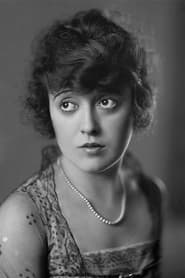
- This film stars Mabel Normand, one of the most important early female comedy performers and a key figure in the development of screen slapstick.
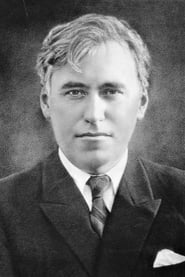
- Mack Sennett appears in the cast as well as serving as director, which was common in the early Keystone system where creative personnel often doubled as performers.
- The film is an example of the domestically themed farces Keystone frequently used to transform class conflict and courtship into broad physical comedy.
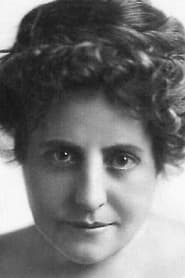
- Alice Davenport, who appears in the cast, was a familiar Keystone supporting actress and often played maternal or authority-figure roles in silent comedies.
- The title is a play on the notion of a young woman's changing social status and employment, a common comic setup in early cinema.
- Because it is a 1913 short, the film likely used intertitles sparingly and relied heavily on visual performance and gesture for narrative clarity.
- The film is associated with the early period of Mabel Normand's career before she became even more widely known as a star director-writer-performer collaborator in comedy.
- It belongs to the broader corpus of surviving and documented Keystone films that helped establish the template for American slapstick comedy.
- Many films from this era are fragmentary or lost, so even documented titles like this one are significant for reconstructing early comic filmmaking history.
- The film's plot reflects period anxieties about class, domestic labor, and courtship, which silent comedies often treated with exaggeration rather than realism.
What Critics Said
Contemporary reviews specific to this title are not widely documented in surviving sources, which is common for many one-reel silent comedies from 1913. In its own era, a Keystone comedy of this sort would typically have been judged less as prestige drama and more as lively audience entertainment, valued for timing, mischief, and star charisma. Modern assessment tends to place it within the broader significance of Keystone's output and Mabel Normand's career rather than as a standalone canonical masterpiece. Film historians view such shorts as important evidence of early comic structure and of the emergence of female screen comedy stars, even when individual critical commentary from the period is sparse.
What Audiences Thought
Direct audience-response records are not known in detail, but films of this type were generally designed for broad mass appeal and were usually booked as dependable crowd-pleasers. Keystone comedies were especially popular with audiences who enjoyed fast action, visual gags, and exaggerated social embarrassment. The presence of Mabel Normand would have been a selling point, since she was already one of the studio's best-known and most appealing performers. Today, the film is likely of greatest interest to silent-film enthusiasts, scholars, and viewers interested in the early career of Mabel Normand and the development of screen comedy.
Film Connections
Influenced By
- Vaudeville comedy traditions
- Music-hall farce
- Early one-reel slapstick films
- Stage farces about class and courtship
This Film Influenced
- Later Keystone and Mack Sennett comedies
- Domestic farces in silent comedy
- Subsequent screen roles built around Mabel Normand's persona
You Might Also Like
More Comedy Films
View allMore from Mack Sennett
View allFilm Restoration
The film is extant in archival circulation and is not generally classified as a lost film, though surviving materials and restoration details are limited in standard reference sources.