Now or Never
Plot
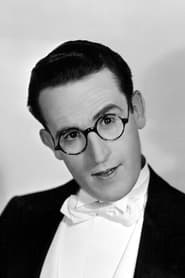
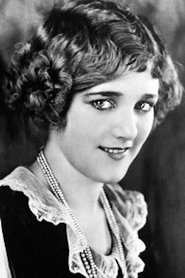
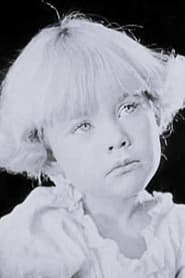
Harold Van Pelham is a wealthy, idle young man whose life is transformed when he is unexpectedly put in charge of a little girl, Mary, on a railroad journey. At first he is utterly unprepared for the responsibility and resents the inconvenience, but the trip repeatedly forces him into comic situations that reveal his competence, good nature, and growing affection for the child. When danger and confusion arise en route, Harold must improvise, protect Mary, and overcome a series of mishaps that test both his nerve and his sense of duty. Along the way, he also becomes romantically involved with the girl's guardian, Molly, played by Mildred Davis, giving the story the familiar Harold Lloyd blend of slapstick, sentiment, and gentle romance. By the end, the experience has matured him from a carefree flirt into a more serious, capable man, and the journey becomes both a literal and emotional coming-of-age.
About the Production
Now or Never was produced during Harold Lloyd's peak silent-era popularity and reflects the finely tuned comic style he was developing in the early 1920s. The film was mounted as a short feature rather than one of Lloyd's longer later comedies, and it combines domestic comedy, physical slapstick, and a strong sentimental thread centered on child care and responsibility. As with many Lloyd productions of the period, the film was carefully choreographed to make the physical comedy feel spontaneous while still supporting a clear narrative arc. Surviving records do not consistently preserve exact budget figures, but the film is known as a polished commercial release from Lloyd's independent production unit.
Historical Background
Now or Never was released in 1921, at a time when American silent cinema was reaching a high level of craftsmanship and popularity. The post-World War I period saw audiences embracing comedies that offered release, optimism, and modern urban energy, and Harold Lloyd was one of the key stars delivering exactly that kind of entertainment. The film also emerged during the early years of feature comedy's rise, when performers like Lloyd, Chaplin, and Keaton were proving that slapstick could support more character-driven storytelling. Its blend of romance, child-centered sentiment, and comic peril reflects the era's evolving taste for films that were funny but still emotionally accessible to family audiences.
Why This Film Matters
Now or Never matters as part of Harold Lloyd's early development into one of silent cinema's most important comedians. It demonstrates the transitional moment when American screen comedy was moving beyond simple gag construction toward more polished character arcs, with the comic hero learning responsibility and emotional maturity through adversity. The film also contributes to the enduring trope of the reluctant caretaker, a narrative device that has remained popular in film and television ever since. While not as universally cited as Lloyd's later classics, it helps document the refinement of the Lloyd formula and the popularity of short, tightly built silent comedies in the early 1920s.
Making Of
Now or Never was made during a period when Harold Lloyd was carefully shaping his screen persona into the energetic, ambitious, likable everyman that audiences would come to associate with him. The production relies on a compact story and a series of escalating comic episodes rather than elaborate spectacle, which was common for Lloyd's output before his most famous feature-length works. Like many silent comedies of the era, the film would have been staged with precise timing, expressive acting, and carefully planned visual business to ensure that jokes read clearly without sound. Although detailed day-by-day production records are not widely published for this title, the film fits the pattern of Lloyd's professionally managed independent productions under the supervision of his company and distributed through Pathé.
Visual Style
The film's cinematography is typical of early 1920s silent comedy, emphasizing clear staging, readable physical action, and economical composition rather than flashy camera movement. Visual humor is driven by blocking, facial reaction, and the strategic use of the train setting to create confinement, motion, and rapid misunderstanding. Lighting and framing would have been designed to keep the performers' gestures legible and to support the fast pace of gags. Like many Harold Lloyd productions, the film depends on visual clarity and precise timing more than on elaborate camerawork.
Innovations
Now or Never does not stand out for a single landmark technical innovation, but it is representative of the highly disciplined comic construction associated with Harold Lloyd's early productions. Its main achievement lies in the integration of narrative momentum, physical comedy, and emotional progression within a compact running time. The film uses the train journey as a practical comic framework, allowing for continuous movement, controlled chaos, and a series of set-piece situations. Its technical strength is the clarity of the staging, which makes even fast-paced slapstick easy to follow for silent-era audiences.
Music
As a silent film, Now or Never had no synchronized spoken soundtrack at the time of release. Exhibition would have depended on live musical accompaniment, typically provided by a theater pianist, organist, or small ensemble using cue-based improvisation or compiled silent-film music. Surviving home-video and archival presentations are generally accompanied by later-recorded orchestral or piano scores chosen by restorers or distributors. No single original score is universally documented for the film in the way later sound-era soundtrack albums are.
Famous Quotes
As a silent film, Now or Never does not have widely documented spoken quotes.
Any intertitles would vary by surviving print and restoration, so no universally standardized dialogue quotation is reliably attested.
Memorable Scenes
- Harold's awkward and increasingly frantic attempts to manage the little girl during the train trip, which generate a chain of escalating comic mishaps.
- The sequence in which the confined space of the train turns ordinary tasks into elaborate slapstick business, using movement and timing for maximum comic effect.
- The romantic moments between Harold and Mildred Davis that soften the comedy and give the film its characteristic blend of sentiment and humor.
Did You Know?
- Now or Never was one of Harold Lloyd's early 1921 releases and helped establish the breezy, optimistic comic persona that would later define his major features.
- Mildred Davis appears as the romantic lead and was also Lloyd's real-life wife, giving the film additional historical interest for fans of the actor's personal life.
- The film's basic premise anticipates a number of later comedy plots in which a bachelor or irresponsible man is forced to care for a child and learns maturity through chaos.
- The title Now or Never was used for this 1921 silent comedy and should not be confused with later films or shorts with similar titles.
- The film is an example of Harold Lloyd's ability to mix slapstick with emotional warmth, a balance that distinguished him from many of his silent comedy contemporaries.
- Because it is a silent film from the early 1920s, surviving presentation often depends on archival prints and modern musical accompaniment rather than a single original soundtrack.
- The film's train setting allowed for a variety of moving-gag opportunities, a common comedy device in the silent era because confined spaces amplified physical humor.
- Now or Never is part of the broader body of work that shows Lloyd evolving from short-form slapstick toward the more elaborate feature comedies that made him famous later in the decade.
- Anna Mae Bilson is credited among the cast in surviving records associated with the film, though many period advertising materials focus primarily on Lloyd and Davis.
- The film's story structure reflects early Hollywood's fondness for moral transformation plots in which comedy is paired with a socially acceptable lesson in responsibility.
What Critics Said
Contemporary critical reception for Now or Never was generally in line with Harold Lloyd's strong reputation as a dependable box-office comedian, with exhibitors and reviewers often praising his energy, timing, and clean humor. As with many early Lloyd shorts and features, the film was appreciated for its lightness and crowd-pleasing appeal rather than for radical innovation. Modern critics and film historians tend to view it as an enjoyable, if lesser-known, example of Lloyd's silent work, notable for the star's developing screen persona and for its efficient blend of slapstick and sentiment. It is usually discussed more as a historical artifact within Lloyd's career than as one of his canonical masterpieces, but it remains valued by archivists and silent-film enthusiasts.
What Audiences Thought
Audiences in the silent era generally responded well to Harold Lloyd's comedies, and Now or Never would have fit comfortably into the popular entertainment market of the early 1920s. Its story is easy to follow, its humor is broadly visual, and its sentimental elements would have made it appealing to a wide range of viewers, including family audiences. Today, modern viewers who encounter the film often appreciate it as a concise example of early Lloyd comedy, though some may find its scale modest compared with his later feature-length hits. Silent-film collectors and classic-comedy fans tend to regard it positively as part of the larger Harold Lloyd canon.
Film Connections
Influenced By
- Silent-era slapstick short comedies
- The bachelor-turned-caretaker comedy tradition
- Harold Lloyd's earlier screen persona development
This Film Influenced
- A broad range of later caretaker comedies and family-oriented slapstick films
- Later Harold Lloyd-style optimistic comedies featuring an ordinary man tested by circumstance
You Might Also Like
More Comedy Films
View allMore from Fred C. Newmeyer
View allFilm Restoration
The film is preserved in surviving archival copies and is not considered lost. As with many silent comedies, available presentations may vary depending on source material, restoration quality, and intertitle reconstruction. It has appeared in archival screenings and on home-media releases for classic film collectors, often with newly recorded musical accompaniment.