1925 · Approximately 60 minutes

Also available on: Archive.org
The Lucky Devil

The Lucky Devil

1925 Approximately 60 minutes United States

"He won a bad-luck car — and a whole heap of trouble!"

Luck versus misfortuneModernity and the automobileRomantic confusionSocial embarrassmentClass and consumer culture

Plot

Jim McFadden, a cheerful department-store displayer, wins a notorious "hoodoo" automobile in a raffle and is warned that the car has brought nothing but trouble to everyone connected with it. Hoping for good luck, he instead finds himself plunged into a chain of comic misadventures involving the car, the police, and a series of misunderstandings that keep escalating throughout the day. His troubles are compounded when he becomes entangled with the attractive Esther and her formidable Aunt, whose presence turns his already chaotic situation into a whirlwind of mistaken motives and romantic complications. As the story unfolds, Jim has to survive a gauntlet of slapstick danger, social embarrassment, and near-arrests before the luckless car finally becomes the unlikely catalyst for his personal happy ending.

About the Production

Release Date 1925-08-17
Production Paramount Pictures, Famous Players-Lasky Corporation
Filmed In Paramount Studios, Astoria, Long Island, New York, USA

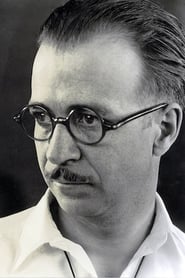
The film was produced during Paramount's mid-1920s peak, when the studio was turning out polished star vehicles at a rapid pace and often pairing rising leading men with strong comic support. Frank Tuttle, who was becoming known for light, fast-moving entertainment, directed the film as a blend of romantic farce, physical comedy, and broad social satire. Like many silent-era productions, the film relied on expressive visual storytelling rather than dialogue, and its comic set pieces were built around traffic chaos, awkward social encounters, and the personality of the "hoodoo" car itself. Surviving documentation on budget and box-office performance is limited, so precise financial details are not reliably available from standard archival sources.

Historical Background

The Lucky Devil was made in 1925, at the height of the American silent film industry and only a few years before synchronized sound would dramatically change filmmaking, exhibition, and star performance styles. The mid-1920s were also a period of booming consumer culture in the United States, with automobiles, department stores, and urban modernity becoming central symbols in popular entertainment; the film's premise taps directly into that world. Comedy features of this era often used contemporary technology as both a convenience and a menace, and the "hoodoo car" concept reflects public fascination with the automobile as a source of freedom, risk, and comic disorder. The film therefore sits at an interesting intersection of silent-era slapstick tradition and the more polished, star-based romantic comedies that major studios were developing for upscale audiences.

Why This Film Matters

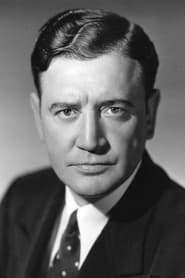
While not usually cited as a landmark title, The Lucky Devil is culturally revealing because it captures several signatures of 1920s screen entertainment: the romance between modern mobility and chaos, the popularity of department-store settings, and the studio practice of pairing established comic character actors with handsome leading men and rising ingénues. It also demonstrates how silent comedies could move beyond pure knockabout humor into a mix of social satire, romance, and domestic farce. For fans of silent cinema, the film has value as a representative Paramount product and as part of the careers of Richard Dix, Esther Ralston, Edna May Oliver, and Frank Tuttle. Its survival in film history documents the breadth of studio-era programming beyond the best-known classics.

Making Of

The Lucky Devil was mounted as a light entertainment feature in Paramount's silent-era production system, where films were frequently designed to showcase a star, a strong supporting comic performer, and a simple high-concept premise that could be communicated immediately through posters and lobby materials. Frank Tuttle's direction emphasizes movement and situation over elaborate melodrama, allowing the cast to play off the absurdity of the cursed-car premise and the social embarrassment it causes. The presence of Edna May Oliver suggests an effort to add a sharply defined comic counterweight to the romantic lead pairing of Richard Dix and Esther Ralston. Like many mid-1920s productions, the film depended on visual gags, automobile mayhem, and tightly staged misunderstandings that would have been especially effective for contemporary audiences accustomed to silent slapstick and urban comedy. Detailed production anecdotes, shooting difficulties, and set-specific records are not widely preserved in easily accessible sources, but the film clearly belongs to Paramount's efficient, star-driven assembly of commercially appealing features.

Visual Style

The film's visual style is typical of mid-1920s Paramount comedy production: clean composition, readable blocking, and emphasis on actors' body language and the physical relationships between characters and props. The automobile is not just a narrative device but a visual centerpiece, giving the cinematography repeated opportunities for motion, crowded staging, and comic contrast between elegant social spaces and mechanical disruption. Silent-era camera technique in this kind of production generally favored steady framing that let the action play out clearly, with occasional closer views to emphasize reactions and romantic beats. The visual humor likely depends on well-timed entrances, exits, and collisions, making the camera a stable observer of escalating chaos rather than a flashy participant.

Innovations

The film does not appear to be known for major technical innovations, but it reflects the polished craftsmanship of mid-1920s studio comedy production. Its notable achievement lies in using a simple comic prop—the supposedly jinxed automobile—as a structuring device for a full feature-length chain of incidents, a common but effective silent-era narrative strategy. The film likely relied on precise staging of crowd scenes, vehicle movement, and reaction shots to maintain clarity in complex comic business. In that sense, its technical accomplishment is the smooth integration of performance, blocking, and visual storytelling rather than any single groundbreaking device.

Music

As a silent film, The Lucky Devil originally would have been accompanied in theaters by live music, typically a house pianist, organist, small orchestra, or a cue-based arrangement depending on venue size and budget. No original composed score is widely documented in standard public sources, and surviving music materials are not commonly cited in accessible references. Modern screenings may use compiled silent-film accompaniment or newly prepared scores where available. Because of the era, the film's emotional rhythm would have been shaped by performance cues and the musical choices of the exhibiting theater rather than by an officially standardized soundtrack.

Famous Quotes

null

Memorable Scenes

  • The raffle-winner sequence in which the ominous automobile is introduced as a supposedly jinxed object and immediately becomes the source of comic suspense.
  • The escalating series of misunderstandings that send the hero into trouble with the police while trying to navigate the social complications surrounding Esther Ralston's character and her aunt.
  • The physical-comedy set pieces involving the car, which turn a routine modern convenience into a roaming engine of embarrassment, pursuit, and romantic disorder.

Did You Know?

  • Richard Dix was one of Paramount's dependable silent-era leading men, and this film is a good example of his ability to mix romantic sincerity with physical comedy.
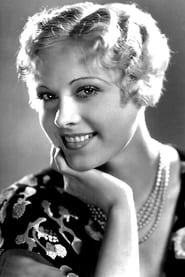
  • Esther Ralston became one of Paramount's best-known actresses of the late silent era, often cast in stylish comedies and prestige productions alike.
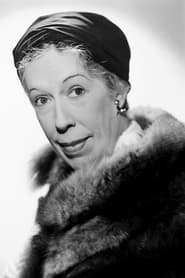
  • Edna May Oliver, already famous for her sharp comic persona, adds a memorable edge to the film's domestic and social-comedy material.
  • The premise of a "bad-luck car" reflects the era's fascination with automobiles as symbols of modern freedom, danger, status, and mechanical chaos.
  • Frank Tuttle would later be associated with sophisticated comedies and crime films, but in the silent period he was already adept at brisk pacing and visual wit.
  • The movie is a product of the classic department-store-comedy setup, a popular 1920s setting that let filmmakers combine consumer culture, romance, class contrast, and slapstick.
  • Because it is a silent film, much of the humor depends on gesture, timing, and carefully staged crowd movement rather than dialogue-based jokes.
  • The title itself plays on a familiar American folk notion of the "lucky devil," but the film ironically inverts that idea by making luck the source of repeated calamity.
  • As with many Paramount silents of the period, the film survives in archival references and catalogue records, but not all print-related details are consistently documented in public sources.
  • The film is a useful example of how 1920s studios could build an entire feature around a single comic prop or gimmick—in this case, an unlucky automobile.

What Critics Said

Contemporary reviews are not widely preserved in readily available modern summaries, so a detailed consensus from the 1925 press is difficult to reconstruct with certainty. Based on the film's structure and cast, it was likely received as a diverting, accessible comedy rather than as a major prestige release, with attention paid to the cast's charm and the comic possibilities of the automobile premise. In modern film-historical terms, The Lucky Devil is usually discussed more as a representative silent-era studio comedy than as a canonical masterpiece. Where it is reviewed today, it tends to be appreciated for period flavor, performance style, and the way it reflects the social comedy of the mid-1920s.

What Audiences Thought

Audience response in the silent era is not documented in a way that allows a precise reconstruction, but the film's premise suggests broad appeal to contemporary moviegoers who enjoyed romance, slapstick, and modern urban comedy. Automobile mishaps, police chases, and mistaken-identity situations were reliable crowd-pleasers in the 1920s, especially when anchored by recognizable stars. The combination of Richard Dix's appeal, Esther Ralston's glamour, and Edna May Oliver's comic authority would likely have broadened the film's audience beyond pure slapstick fans. Today, audiences encountering the film through archival screenings or surviving prints generally approach it as a historical entertainment piece and a showcase for silent-era timing and style.

Film Connections

Influenced By

  • The broad American slapstick tradition of the 1910s and 1920s
  • Department-store and urban-life comedies popular in the silent era
  • The comic automobile films and chase comedies of early silent cinema

This Film Influenced

  • Department-store and automobile farces of the late silent era
  • Later romantic screwball comedies using mechanical chaos as a catalyst

Film Restoration

Survival details are not fully documented in the standard public materials available, but the film is not generally listed among the completely lost silent features; it appears to survive at least in archival references and may exist in preserved form in film archives or private holdings. However, because public availability is limited and no widely circulated restored edition is commonly cited, it should be treated as an obscure silent-era title with incomplete accessibility. Verification of the exact surviving elements would require consultation of major archive catalogues such as the Library of Congress, the FIAF union catalogue, or specialized silent-film collections.

Themes & Topics

department storeraffle prizebad-luck carpolice troubleromantic misunderstandingsilent comedyautomobile chaosAunt character