The Speed Demon
Plot
The Speed Demon is a short comedy built around an ambitious race driver who is barred from entering a competition, forcing him to rely on wit and deception rather than straightforward speed. Determined not to be outdone by his rivals, he schemes to outmaneuver the other competitors and create an opening for himself to participate on his own terms. The film plays out as a brisk chase-and-gag comedy in which competitive pride, improvisation, and escalating mischief drive the action. As with many Mack Sennett-era shorts, the plot is simple but elastic, allowing physical comedy, comic reversals, and rapid visual punchlines to carry the story. The end result is a typical early-1910s comic scenario in which the protagonist’s ingenuity is rewarded through mayhem rather than decorum.
About the Production
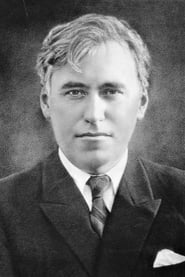
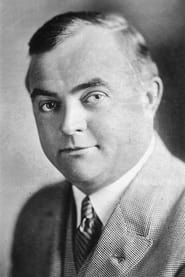
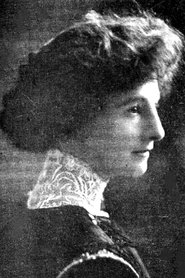
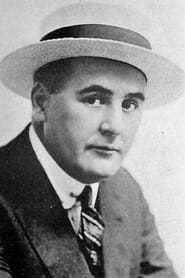
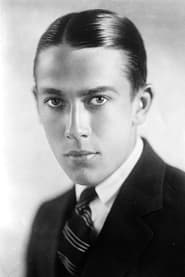
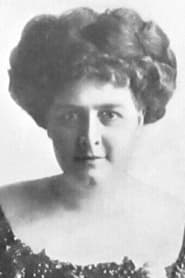
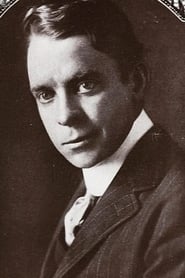
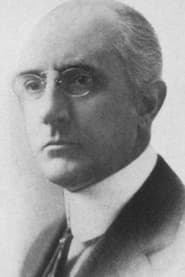
The Speed Demon was produced as a one-reel silent comedy during the Biograph period associated with Mack Sennett, when shorts were made quickly, economically, and with a strong emphasis on physical action and broad situation comedy. Like many films from this era, detailed production paperwork has not survived in accessible form, so precise budgetary information, exact studio stage usage, and location specifics are not well documented. The film is notable chiefly as an early example of Sennett’s developing comic approach, using competitive chaos and a simple premise to generate a fast-moving sequence of gags. Surviving documentation indicates a 1912 release and a cast that includes Fred Mace, Kate Toncray, and Dell Henderson, all familiar faces in early Biograph comedies.
Historical Background
The Speed Demon was released in 1912, a period when the American film industry was rapidly expanding from one-reel shorts into a more organized commercial enterprise. This was also a time when automobiles, speed, and mechanized modernity were becoming increasingly visible in daily life, making racing stories especially timely and appealing to audiences fascinated by technology and motion. Mack Sennett was working in the fertile early years of screen comedy, before the full flowering of Keystone slapstick, and films like this helped establish the kinds of situations, pacing, and comic escalation that would dominate the decade. Historically, the film belongs to the transitional moment when cinema was moving from novelty entertainment toward a more standardized popular art form with recognizable genres and star performers.
Why This Film Matters
While The Speed Demon is not among the most famous surviving silent comedies, it is culturally significant as an early example of American race-and-chase comedy and as part of Mack Sennett’s formative work as a director. Films like this helped define the visual vocabulary of slapstick: competitive rivalry, physical exaggeration, social disorder, and the comic triumph of improvisation over rules. It also reflects an early-screen fascination with automobiles, a symbol of speed, modernity, and the anxiety that new technology could generate chaos as well as progress. For historians, the film is valuable as a representative artifact of early 1910s comedy production and the Biograph-era ensemble system that nurtured many later silent-film comedians.
Making Of
The Speed Demon was made at a time when Mack Sennett was honing the comic style that would later define American slapstick, so the film likely reflects his preference for simple premises, brisk escalation, and visual business that could be understood instantly by audiences. Productions of this type were assembled rapidly from repertory players and were designed to keep costs low while maximizing audience appeal in nickelodeons and short-film programs. The Biograph system used stock actors, routine sets, and efficient shooting methods, which meant that much of the humor had to emerge from blocking, timing, and the performers’ physical presence rather than elaborate production design. Exact behind-the-scenes anecdotes for this particular title are scarce, but the film’s credited cast suggests the familiar collaborative environment of early Sennett comedies, where actors like Fred Mace and Dell Henderson were central to the era’s developing comic grammar.
Visual Style
As an early 1912 silent comedy, The Speed Demon would have used straightforward, functional cinematography typical of the period: mostly fixed camera setups, clear full- or medium-distance framing, and staging designed to keep actors and action legible. The visual emphasis would have been on body movement, entrance-and-exit timing, and the spatial relationship between the racer and his competitors rather than on camera movement or expressive lighting. Early Biograph comedies often favored uncomplicated compositions that let the audience read the gag instantly, and this film likely follows that model. Any dynamic feeling would have come from the motion of the characters and the escalation of action, not from elaborate cinematographic trickery.
Innovations
The film does not appear to be associated with a major technical innovation in the sense of special effects or camera technology, but it represents an important stage in the refinement of screen comedy technique. Its achievement lies in the efficient use of staging, timing, and visual clarity to make a simple comic premise work in a short runtime. Early racing comedies often required careful coordination of movement and spatial geography so the audience could follow the joke, and this kind of craftsmanship was central to the development of slapstick cinema. The film also demonstrates how early filmmakers used modern subjects like automobiles to create a sense of speed and excitement within the limitations of static cinematography.
Music
As a silent film, The Speed Demon had no synchronized recorded soundtrack. In exhibition, it would typically have been accompanied by live music from a pianist, organist, or small ensemble, with the selection depending on the venue and the exhibitor’s resources. No original cue sheet or commissioned score is widely documented for the film, so modern screenings, if available, would generally use a newly assembled silent-film accompaniment or improvised music. The musical mood for a racing comedy would likely have been lively and rhythmic to match the pace of the action.
Memorable Scenes
- The central comic setup in which the banned driver attempts to regain entry into the race through tricks and improvisation.
- The escalation of competitive chaos as the protagonist turns the race into a series of comic disruptions.
- The likely chase-driven finale, a hallmark of early Sennett comedy, where disorder becomes the engine of the joke.
Did You Know?
- The film is a Mack Sennett-directed early silent comedy, made before his name became synonymous with Keystone-style slapstick.
- Fred Mace, one of the credited cast members, was a prominent comic performer in the Biograph and early Keystone eras.
- Dell Henderson was not only an actor but also a frequent collaborator in early comedy production, often appearing in Sennett-associated films.
- Kate Toncray was a Biograph stock-company player who appeared in many early films, often in supporting comic or domestic roles.
- Because the film is from 1912, surviving plot details are limited, and the known premise is reconstructed from archival records rather than a fully preserved continuity script.
- The Speed Demon fits the period’s fashion for automobile and racing comedies, reflecting public fascination with speed, machines, and modern life.
- The title refers to speed as both a literal racing attribute and a comic personality trait, a common early-film device for exaggerating character through a simple label.
- As with many one-reel comedies of the period, the film likely relied more on visual clarity and physical staging than on intertitles for storytelling.
- The film is part of the broader body of early American slapstick that helped establish the structure of chase comedies and competitive farce.
- Its survival status is uncertain in many secondary sources, but it is historically treated as an old silent title rather than a well-circulated surviving classic.
What Critics Said
Contemporary reviews for this specific title are not widely preserved in standard modern reference sources, so detailed critical commentary from 1912 is difficult to document. In the context of Mack Sennett’s early work, films of this sort were generally appreciated for their energetic gags, clear storytelling, and appeal to broad audiences rather than for literary sophistication. Modern critical interest is primarily historical: scholars and silent-film enthusiasts view it as part of Sennett’s apprenticeship period and as evidence of how early screen comedy evolved. Because it is obscure and may not be easily accessible, discussion now tends to focus on its place in early comedy history rather than on a large body of critical reassessment.
What Audiences Thought
Specific audience-response records for The Speed Demon are not readily available, but early Sennett/Biograph comedies were typically popular with nickelodeon audiences who enjoyed fast-moving visual humor and simple, relatable conflict. Racing and automobile themes were especially attractive to viewers of the period because they tapped into contemporary excitement about machines, competition, and speed. The film’s premise would have been easy for audiences to follow regardless of language background, which was one of the strengths of silent comedy in the international marketplace. Its reception can therefore be understood as part of the general popularity of early slapstick shorts rather than through a surviving, title-specific box-office record.
Film Connections
Influenced By
- Early vaudeville and stage farce
- Biograph-era one-reel comic shorts
- Contemporary fascination with automobiles and motor racing
This Film Influenced
- Later Keystone slapstick racing comedies
- Chase comedies of the silent era
- Automobile farces in early American comedy cinema
You Might Also Like
More Comedy Films
View allMore from Mack Sennett
View allFilm Restoration
The film is an early silent-era title with limited modern circulation and incomplete documentation; its preservation status is uncertain in many public-facing references, and it is best treated as a rare archival film rather than a commonly available restored classic.