Fatty’s Reckless Fling
Plot
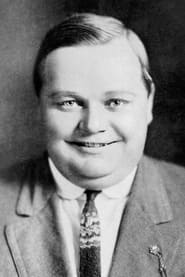
Roscoe "Fatty" Arbuckle plays a husband who is left alone when his wife goes out, giving him the chance to slip across the hall and join a poker game. The game is abruptly broken up by a police raid, leaving Fatty caught in an awkward and potentially incriminating situation. Seeking to avoid trouble, he takes refuge with his neighbor, Mrs. Kennedy, whose hospitality is quickly misunderstood by others in the building. The resulting confusion turns into a classic Arbuckle-style farce of mistaken intentions, gossip, and escalating domestic mayhem. The film builds its comedy from Fatty's efforts to appear respectable while circumstances repeatedly make him look guilty of exactly the sort of misbehavior he is trying to avoid.
About the Production
This short comedy was made during the peak Keystone era, when Roscoe Arbuckle was one of the studio's most popular stars and directors. Like many Keystone productions of 1915, it was created quickly and economically, with an emphasis on physical comedy, broad visual storytelling, and rapid pacing rather than elaborate sets or dialogue. The film is associated with the slapstick tradition that Arbuckle helped refine, combining domestic comedy, moral embarrassment, and police chaos. Surviving documentation is limited, so many precise production details, including shooting schedule and exact location work, are not fully recorded in modern reference sources.
Historical Background
The film was made in 1915, when American cinema was expanding rapidly from novelty entertainment into a major commercial industry. Keystone was one of the key studios defining screen comedy, and Arbuckle was among the most important performers helping shape the language of slapstick at a time when silent films relied entirely on visual action to communicate story and character. Socially, the film reflects early 20th-century ideas about domestic propriety, neighborhood surveillance, and the comic dangers of being seen in the wrong place at the wrong time. It also emerged during the height of the one-reel or short-subject comedy era, when stars like Arbuckle were building the foundations of screen persona that would later influence feature comedy and Hollywood comic acting more broadly.
Why This Film Matters
Although not one of Arbuckle's most famous surviving titles, the film belongs to the body of work that established him as a major comic presence and helped define the physical, character-based style of American slapstick. Its situation comedy hinges on embarrassment, rumor, and police intervention, all staple ingredients that later migrated into feature-length farce and domestic comedy. The film also has archival significance because it preserves a snapshot of the Keystone ensemble system, including the talents of Edgar Kennedy and Minta Durfee in an early comedy framework. For historians, it contributes to the larger understanding of how early silent shorts shaped cinematic pacing, comic escalation, and the construction of the lovable but beleaguered male comic protagonist.
Making Of
Fatty’s Reckless Fling was made in the environment of Keystone's highly efficient comedy production system, where films were often built around a loose scenario rather than a rigid screenplay. Arbuckle frequently worked both in front of and behind the camera, and this title fits the pattern of shorts designed to showcase his physical agility, expressive reaction work, and ability to turn embarrassment into comedy. The presence of Minta Durfee reflects the intermingling of professional and personal circles common in early Hollywood production. Surviving behind-the-scenes records are sparse, but the film likely followed the standard Keystone approach of shooting quickly on simple sets with minimal retakes and a premium on energetic ensemble timing.
Visual Style
The film's visual style is characteristic of early Keystone comedy: static or minimally mobile camera setups, clear frontal staging, and energetic blocking designed to keep the action readable in long or medium shots. The humor would have depended on performers moving through the frame in carefully timed bursts, with attention to entrances, exits, and reaction-based confusion. Given the era, the cinematography likely emphasized full-body comic performance over close-up psychology, allowing the audience to follow the escalating misunderstanding in a straightforward theatrical manner. Its visual economy is part of the charm and historical value of the film, illustrating how silent comedy used space and timing as primary storytelling tools.
Innovations
The film's main achievement lies in its efficient use of silent-comedy mechanics rather than in any known technological innovation. It demonstrates the polished comic timing, visual clarity, and ensemble staging that Keystone films developed and popularized in the 1910s. The structure of a domestic farce interrupted by a raid and compounded by misunderstanding shows an early mastery of escalating comic set-pieces. While not known for special effects or advanced camera work, it is representative of the craft that helped standardize screen comedy grammar for later generations.
Music
As a silent film, Fatty’s Reckless Fling did not have an original synchronized recorded soundtrack. In its original exhibition, it would have been accompanied by live music selected by the theater, often piano or small ensemble accompaniment tailored to the screening venue. Any modern presentation may use archival-style piano accompaniment or a curated silent-film score, but no original composer or standardized soundtrack is generally documented in surviving reference sources. Music would have been chosen to emphasize the comedy's rhythm, mood shifts, and moments of comic tension.
Famous Quotes
This is a silent film; no spoken dialogue has survived in the original form.
No widely documented intertitles are reliably preserved in standard reference sources for this short.
Memorable Scenes
- Fatty joining a poker game across the hall while his wife is away, creating the setup for the ensuing disaster.
- The sudden police raid that turns a private comic diversion into a public problem.
- Fatty seeking shelter with Mrs. Kennedy and unintentionally creating the appearance of a romantic scandal.
- The escalating neighborhood confusion as characters misread Fatty's behavior and motives.
Did You Know?
- The film was directed by Roscoe "Fatty" Arbuckle himself, one of the major comedy talents of the silent era.
- It was produced by Keystone, the studio most closely associated with early slapstick comedy and frenetic chase humor.
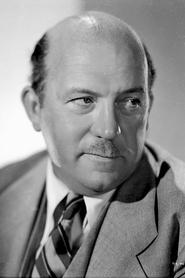
- The cast includes Edgar Kennedy, who would later become famous for his slow-burn comic persona in later shorts and features.
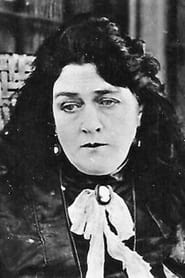
- Minta Durfee, Arbuckle's wife at the time, appears in the cast, adding a real-life connection to the on-screen domestic situation.
- The plot centers on one of Arbuckle's favorite comic setups: an ordinary domestic setting disrupted by sudden public embarrassment and mistaken suspicion.
- The film is a short silent comedy, so all humor is conveyed visually through performance, pantomime, and physical timing.
- Like many Keystone films, it likely relied on fast-paced staging, overlapping comic business, and a strong emphasis on reaction shots and visual escalation.
- Because it is a very early 1915 production, it reflects a transitional period in silent comedy, moving toward more polished situation comedy while retaining Keystone chaos.
- The film's title appears in historical records and film databases with the apostrophe in "Fatty’s," but alternate cataloging styles may omit or vary punctuation in older listings.
- As with many Arbuckle shorts, its historical value is not only comedic but also archival, offering a glimpse of how star-driven slapstick was being developed in the mid-1910s.
What Critics Said
Contemporary reviews are not widely preserved in modern sources for this particular short, so a precise record of its original critical reception is difficult to reconstruct. As a Keystone Arbuckle comedy, it would have been evaluated primarily on its ability to generate laughter through action, timing, and familiar comic situations rather than on narrative sophistication. Modern appreciation tends to be historical and scholarly: the film is valued as part of Arbuckle's early output, important to the development of American screen comedy and to the careers of performers like Edgar Kennedy. Because it is a short from the silent era, its reception today is often tied to preservation status and the interest of film archives and silent-film enthusiasts rather than mainstream critical discussion.
What Audiences Thought
No detailed audience-response documentation is readily available for this short, which is typical for many one-reel comedies from the 1910s. At the time of release, Arbuckle's films were popular with audiences who enjoyed fast-paced physical humor, domestic chaos, and the comic humiliation of authority figures such as police officers. The basic premise would have been immediately accessible to viewers of the period, relying on recognizable social conventions and broadly readable visual gags. Today, audience reception is mostly limited to silent-comedy fans, researchers, and archivally minded viewers who encounter the film as a historical artifact rather than a widely screened title.
Film Connections
Influenced By
- Vaudeville stage comedy
- Music-hall slapstick traditions
- Early farce and bedroom-comedy scenarios
- Keystone's house style of anarchic short comedies
This Film Influenced
- Later domestic farces built around mistaken identity and social embarrassment
- Silent and early sound slapstick shorts featuring police raids and comic suspicion
- The broader style of star-centered screen comedy developed by Roscoe Arbuckle and his contemporaries
You Might Also Like
More Comedy Films
View allMore from Roscoe 'Fatty' Arbuckle
View allFilm Restoration
Preservation status is uncertain in widely accessible reference sources; as with many early Keystone shorts, it may survive in archival holdings or fragments, but detailed public documentation is limited. It is not generally treated as a major restored title, and availability may depend on archival collections or specialized silent-film screenings.