Also available on: Archive.org
Getting Mary Married

Getting Mary Married

1919 United States
Marriage and inheritanceRomantic temptationFemale autonomy versus social expectationCourtship as comedyMoney and emotional choice

Plot

Mary is a young woman whose future inheritance depends on a very unusual condition: she must remain unmarried. Determined to protect the fortune that has been promised to her, she tries to avoid romance, but her resolve is tested when a handsome stranger enters her life and begins to charm his way into her affections. The story plays as a light romantic comedy of temptation, misunderstanding, and social maneuvering, with Mary repeatedly forced to choose between genuine feeling and the practical requirements of the inheritance. As the attraction deepens, the film builds toward the familiar silent-era comic-romantic resolution in which true love and financial security must somehow be reconciled.

About the Production

Release Date 1919
Production Cosmopolitan Productions
Filmed In United States

Getting Mary Married was produced in the late silent era as a star vehicle for Marion Davies, who was one of Cosmopolitan Productions' most important attractions. The film was directed by Allan Dwan, a prolific filmmaker known for working quickly and efficiently across many genres; his experience was especially valuable in silent comedy-romance production, where pacing and visual clarity were essential. Like many films of its period, it was mounted with studio resources rather than on-location spectacle, and surviving documentation does not provide detailed production logs, budgets, or extensive behind-the-scenes records. The film is also notable as part of the long series of popular Marion Davies comedies and romances that helped define her screen persona as lively, fashionable, and emotionally accessible.

Historical Background

The film was released in 1919, immediately after World War I, during a moment when American audiences were eager for escapist entertainment and lighter domestic stories. Silent cinema was reaching a high level of sophistication by this time, with feature-length romantic comedies using refined visual storytelling, stars with strong screen identities, and increasingly polished production values. The inheritance-and-marriage premise also reflects early twentieth-century social anxieties about women, money, and autonomy: the plot turns on a heroine who must remain single to secure a fortune, a concept that allowed filmmakers to dramatize the tension between economic independence and romantic desire. As a product of this period, the film helps illustrate how Hollywood often framed modern womanhood through comedy, romance, and the resolution of domestic choice.

Why This Film Matters

Getting Mary Married is culturally significant as an example of the Marion Davies vehicle, a form that helped define her public image and contributed to the development of the female-led romantic comedy in American cinema. While the film itself is not among the best-remembered silent-era landmarks, it belongs to the broader pattern of 1910s studio production that shaped how stars were marketed and how audiences encountered comic courtship narratives. It also reflects the long tradition in popular culture of treating marriage as both a romantic goal and an economic arrangement, a theme that remained central to Hollywood comedies for decades. For historians of silent film, the movie is valuable as a representative artifact of studio-era star-making, gendered storytelling, and postwar entertainment tastes.

Making Of

Getting Mary Married was made during a period when Marion Davies was emerging as a dependable box-office attraction in sophisticated comedies and romantic vehicles. Allan Dwan's direction likely emphasized brisk visual storytelling, a necessity for silent comedy where character motivation and romantic tension had to be conveyed without dialogue. The production belongs to an important phase in the consolidation of studio-backed star vehicles, where an actress's screen persona was carefully cultivated across multiple films with similar tonal appeals. Although specific surviving anecdotes are limited, the film fits neatly into the wider Cosmopolitan/Marion Davies production pattern of polished, middle-class romantic entertainment designed for broad commercial appeal.

Visual Style

No detailed shot-by-shot visual analysis survives widely for this title, but Allan Dwan's silent-era work was generally known for clarity, economy, and strong narrative framing. In a 1919 comedy-romance, the cinematography would have relied on expressive staging, readable body language, and clean compositions that emphasized the interpersonal game of attraction and resistance. Silent films of this type often used medium shots and carefully arranged interiors to keep actors' expressions and business legible to audiences. The visual style would have been shaped by the norms of late silent studio filmmaking: polished but not yet the highly mobile, spectacle-oriented style of the late 1920s.

Innovations

The film does not appear to be associated with a major technical innovation, but it represents the refined silent-era craft of visual storytelling before synchronized sound. Its technical value lies in the way it likely used staging, editing, and gesture to communicate romantic conflict and inheritance-based comedy without dialogue. As a 1919 studio feature, it would have benefited from the increasingly standardized feature-film grammar of the period, including continuity editing and polished set construction. Its importance is historical rather than technological: it demonstrates how silent cinema had become adept at carrying a full narrative with emotional nuance using purely visual means.

Music

As a silent film, Getting Mary Married did not have a synchronized recorded soundtrack. In first-run and neighborhood theaters, it would have been accompanied by live music, typically a pianist, organist, or small orchestra depending on the venue. The specific cue sheet or commissioned musical arrangement for the film is not widely documented in surviving sources. Any music heard today would depend on the archive, restoration, or screening version being used.

Memorable Scenes

  • Mary resisting the attentions of a handsome stranger while trying to preserve her inheritance is the central dramatic-comic set piece of the film.
  • The film's comic complications likely revolve around social encounters and flirtation scenes in which Mary's determination is tested through increasingly awkward or affectionate interactions.

Did You Know?

  • The film stars Marion Davies, whose popularity in the 1910s and 1920s made her one of the best-known actresses of the silent era.
  • Allan Dwan directed the film, and he was one of the most prolific directors in American film history, with a career spanning the silent era, classical Hollywood, and television.
  • The premise centers on a romantic-comedy inheritance condition, a plot device that was especially common in silent-era farce and comedy of manners.
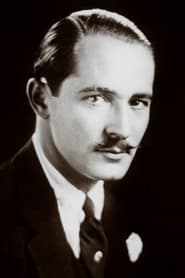
  • Norman Kerry was a major romantic leading man of the period and often played suave, worldly characters opposite female stars.
  • The film is part of the early feature-film work associated with Cosmopolitan Productions, the company connected to media magnate William Randolph Hearst.
  • Because it is a 1919 silent film, the original release would have been accompanied by live music in theaters rather than a standardized recorded soundtrack.
  • The film survives in film history references, but detailed production data is sparse compared with later, better-documented Hollywood releases.
  • The title reflects the era's fondness for cheerful, marriage-centered comedy titles that promised both romance and social complication.

What Critics Said

Contemporary critical reception is not well documented in the surviving sources available for this title, so detailed reviews are difficult to reconstruct with confidence. As a Marion Davies comedy from the late 1910s, it would have been assessed primarily as an entertainment vehicle, with attention to Davies's charm, comic timing, and screen presence rather than to ambitious thematic depth. Modern evaluation likewise tends to place the film in the context of Dwan's efficiency as a director and Davies's rise as a silent star, rather than treating it as a canonical masterpiece. Its critical significance today is mostly archival and historical: it is of interest to scholars of silent comedy, female stardom, and the Cosmopolitan production line.

What Audiences Thought

Specific audience-response records are not readily available, but the film was created for mass appeal and likely functioned as an accessible romantic comedy for mainstream theatergoers. Marion Davies was a popular star, and her presence alone would have been a major draw for audiences who enjoyed fashionable, witty, and romantic silent films. The film's premise, involving a test of will against romance and inheritance, would have been easy for audiences to follow and likely provided the sort of playful emotional stakes that silent-era viewers enjoyed. Like many films of the period, its reception would have been shaped by local exhibition conditions, live musical accompaniment, and the stature of the presenting theater.

Film Connections

Influenced By

  • Popular stage farce and early screen farce
  • Turn-of-the-century marriage-comedy conventions
  • Silent-era romantic comedy formulas
  • Contemporary society comedies built around inheritance and romance

This Film Influenced

  • Later inheritance-romance comedies
  • Subsequent Marion Davies romantic vehicles
  • Hollywood marriage-comedy plots of the 1920s and 1930s

Film Restoration

Surviving documentation indicates the film is historically known, but detailed preservation status is not clearly established in widely available public references; it may survive in archives or incomplete form, though this cannot be confirmed confidently here. It is not commonly cited as a widely circulating restored title.

Themes & Topics

inheritance conditionromantic comedysilent filmmarriage plottemptationwealthcourtship