Cameo Kirby
Plot
Cameo Kirby is a Southern melodrama centered on a charismatic gambler whose charm and reputation make him both admired and distrusted in equal measure. When Colonel John Randall is killed, Kirby is blamed for the death and becomes an outcast, even though he knows he is innocent. To clear his name, he must uncover the real culprit while navigating a web of class prejudice, honor codes, and romantic complications involving Adele Randall, the colonel’s daughter, whom he loves. As the truth comes to light, the film moves toward the standard early-1920s romantic resolution in which justice, personal integrity, and love are finally reconciled.
About the Production
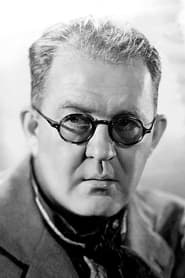
This 1923 version of Cameo Kirby was produced during Fox Film Corporation’s silent-era star-building period and was adapted from the stage play and earlier literary sources associated with the Cameo Kirby property. John Ford, still relatively early in his career, directed the film before becoming one of Hollywood’s defining directors, and the production is notable as an early example of his work in mainstream studio melodrama. As with many silent-era Fox features, detailed surviving production paperwork is limited, and specific shooting schedules, design credits, and on-location details are not consistently documented in modern reference sources. The film is also historically interesting because it pairs Ford with John Gilbert, who was emerging as a leading romantic star of the silent era. Existing evidence suggests the film was made as a polished commercial vehicle rather than an experimental production, with emphasis on atmosphere, star appeal, and fast-moving melodramatic plotting.
Historical Background
The film was produced in the early 1920s, a period when the American silent film industry was consolidating around major studios, star power, and increasingly standardized feature production. It emerged only a few years before sound transformed Hollywood, so its style belongs to the mature silent era, when visual storytelling had become highly sophisticated but remained reliant on intertitles and expressive performance. Thematically, its focus on honor, social reputation, and romantic redemption reflects the tastes of the post-World War I American audience, which often embraced melodramas that balanced moral conflict with sentimental resolution. Its place in John Ford’s early career also matters historically, since it shows him working within commercial genre traditions before he became associated with a more expansive, mythic American cinema.
Why This Film Matters
Cameo Kirby is culturally significant primarily as an early John Ford feature and as part of John Gilbert’s silent-era star trajectory. While not one of the best-known titles in Ford’s filmography, it helps document the range of material he handled before his later canonical works and therefore has value for studies of director development. The film also illustrates the popularity of gambling-and-honor melodramas in American popular culture, especially stories that framed masculinity, social standing, and romantic legitimacy through a trial of innocence. For silent-film scholarship, it is another example of a Fox production whose importance today lies as much in historical context and personnel as in mass contemporary recognition.
Making Of
Cameo Kirby was made at a time when Fox was turning literary and stage properties into compact star vehicles for the silent market, and the film reflects that industrial approach. John Ford was still building his directorial identity, so this production is best understood as part of his apprenticeship in feature filmmaking rather than as one of the major signature works of his mature period. John Gilbert’s participation is significant because he was developing the screen persona that would later make him one of silent cinema’s most recognizable romantic actors. Surviving records do not provide a full, detailed behind-the-scenes chronicle, but the film’s existence within Fox’s production system suggests a careful balance of efficient studio staging, expressive melodrama, and appeal to audiences who enjoyed refined romance mixed with action and intrigue.
Visual Style
The cinematography reflects silent-era studio melodrama: emphasis on strong composition, clear visual storytelling, expressive close-ups, and carefully staged confrontations. Like many Fox productions of the period, the film likely relied on polished lighting and controlled interior scenes to support emotional clarity and star presentation. John Ford’s early films were often more straightforwardly constructed than his later, more visually distinctive work, but even here the production would have depended on framing that made relationships and social tensions instantly legible without sound. Because surviving materials and detailed scene-by-scene photographic evidence are limited, the most secure conclusion is that the film follows the elegant, functional visual style common to mainstream American silent features in the early 1920s.
Innovations
The film’s notable technical achievement is less about innovation than about the polished silent-era craft of conveying a melodramatic plot efficiently and expressively without dialogue. It represents the mature studio system’s ability to adapt popular material into a concise feature with clear character motivations and emotional beats. Its technical interest today also comes from its place in the early career of John Ford, who would later become famous for a far more sophisticated command of space, movement, and ensemble staging. As a Fox silent production, it is part of the tradition of well-made features whose main technical value lies in their professional consistency and historical survival rather than in radical experimentation.
Music
As a silent film, Cameo Kirby did not have a synchronized recorded soundtrack at release. It would have been shown with live musical accompaniment in theaters, typically piano, organ, or small orchestra depending on venue and exhibition prestige. No universally verified original cue sheet or commissioned score is widely documented in standard reference sources. Modern screenings, where available, may use library accompaniment or newly assembled silent-film scores.
Famous Quotes
As a silent film, Cameo Kirby is generally known through intertitles rather than widely preserved spoken quotes.
No verified famous dialogue lines are commonly cited in standard modern reference sources for this film.
Memorable Scenes
- Cameo Kirby’s public suspicion and isolation after being blamed for Colonel Randall’s death, establishing the film’s central conflict.
- The romantic scenes between Kirby and Adele Randall, which turn the story from pure intrigue into a redemption romance.
- The climactic revelation of the true villain, resolving the mystery and restoring Kirby’s honor.
Did You Know?
- Cameo Kirby (1923) is a silent remake of an earlier film version of the same story and is not to be confused with later sound-era adaptations of similar material.
- John Ford directed the film long before his reputation was cemented by Westerns and prestige dramas, making it an early glimpse of his studio-era craftsmanship.
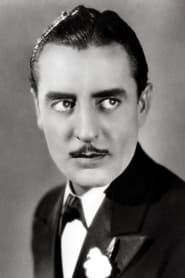
- The film stars John Gilbert during the period when he was becoming one of the biggest romantic leads in Hollywood.
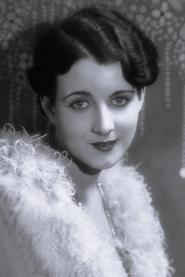
- Gertrude Olmstead plays the heroine Adele Randall, a role typical of the poised, emotionally restrained silent-era leading lady.
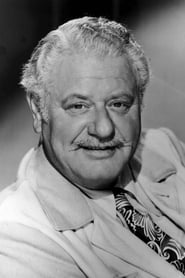
- Alan Hale appears in the cast, contributing to the film’s old-fashioned melodramatic atmosphere.
- The film belongs to Fox Film Corporation’s silent catalogue, a large portion of which was later endangered by the 1937 Fox vault fire.
- As with many silent Fox productions, surviving documentation is incomplete, so some production details are difficult to verify precisely today.
- The story combines gambling, honor, mistaken guilt, and Southern romantic melodrama, all popular elements in early-20th-century popular entertainment.
- The title character Cameo Kirby was already a familiar property to audiences because of stage and earlier screen versions.
- The film is often of interest to film historians chiefly because it sits at the intersection of John Ford’s early directing career and John Gilbert’s rise as a star.
What Critics Said
Contemporary critical reception is not extensively documented in easily accessible modern reference summaries, but the film appears to have been received as a solid commercial melodrama rather than as an especially prestigious release. In the silent era, such films were often judged on the appeal of their stars, the clarity of the plot, and the effectiveness of the dramatic moments rather than on auteurist terms. Modern assessment tends to focus on its historical interest: scholars and classic-film fans value it for John Ford’s early direction and for John Gilbert’s screen presence more than for its status as a widely circulated canonical masterpiece. Because the film is obscure and surviving information is limited, it is discussed more often in archival and filmography contexts than in broad critical retrospectives.
What Audiences Thought
Audience reception in 1923 is difficult to quantify precisely because reliable box office records and detailed exhibition reports are not consistently available. As a Fox star vehicle with a recognizable title and familiar melodramatic ingredients, it likely appealed to audiences who enjoyed romance, suspense, and courtroom-or-honor style narrative stakes. The pairing of John Gilbert and Gertrude Olmstead would have been a draw for silent-era patrons, especially those who followed Fox releases and romantic leads. In modern times, audience interest is mostly confined to silent-cinema enthusiasts, John Ford completists, and archive-driven viewers seeking rare early titles.
Film Connections
Influenced By
- The Cameo Kirby stage play and earlier adaptations
- Popular American melodramas about gambling, honor, and romance
- Silent-era literary and theatrical adaptation traditions
This Film Influenced
- Later John Ford character and genre films in a broad sense
- Subsequent screen adaptations of melodramatic Southern romance properties
You Might Also Like
More Drama Films
View allMore from John Ford
View allFilm Restoration
Preservation status is uncertain in widely available reference summaries; the film is a surviving silent-era title in archival circulation, though print availability may be limited and it may exist only in incomplete or specialized preservation holdings.