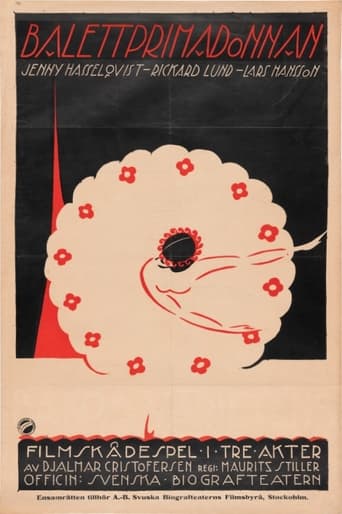
Love and Journalism
"null"
Plot
Love and Journalism follows a female journalist who goes undercover as a maid in the household of a celebrated explorer in order to gain material for her reporting. As she becomes intimate with his private world, she is increasingly troubled by the ethical cost of exposing his personal life to the public and by the realization that her reporting has crossed into betrayal. The explorer, rather than turning against her, comes to understand her motives and the emotional strain she has been under. Their mutual sympathy deepens into love, and the story resolves with their marriage, turning a premise about journalistic intrusion into a romantic reconciliation.
About the Production
This was a Swedish silent feature directed by Mauritz Stiller during the height of Svenska Biografteatern's influential production period. Surviving documentation on the making of the film is limited, so precise budgetary figures, set records, and detailed production schedules are not generally available in standard references. The film was mounted in the studio system associated with early Swedish cinema, where Stiller was developing the sophisticated, psychologically attentive style that would later help define his reputation. Because it is a silent film from the 1910s, original production records are sparse, and many specifics about crew and locations have not been preserved in easily accessible contemporary sources.
Historical Background
Love and Journalism was made in 1916, at a moment when Swedish cinema was emerging as one of the most artistically respected film industries in Europe. The country was neutral during World War I, which allowed its film culture to continue developing while many European national industries were disrupted by the conflict. Mauritz Stiller and his contemporaries were contributing to what later historians would describe as the classic period of Swedish silent cinema, characterized by literary adaptation, nuanced performance, and visually controlled storytelling. The film’s subject matter also reflects the era’s fascination with modern mass media, particularly journalism, and with the changing boundaries between public celebrity and private identity.
Why This Film Matters
Although Love and Journalism is not one of the best-known Swedish silent films internationally, it is culturally significant as part of Mauritz Stiller's formative body of work and as an example of early cinema engaging with media ethics. The premise is notable for treating journalism not simply as a profession or plot device but as a moral force capable of intrusion, regret, and reconciliation. This makes the film relevant to broader cultural conversations about the press, privacy, and the social roles available to women in the early twentieth century. It also contributes to the reputation of Swedish silent cinema as a sophisticated, adult-oriented tradition rather than a purely melodramatic or novelty-based one.
Making Of
Very little detailed behind-the-scenes documentation for Love and Journalism survives in widely cited modern sources, which is typical of many Scandinavian silent films from the 1910s. What can be stated confidently is that the film belongs to Mauritz Stiller's early Swedish period, when he was helping elevate local production values through polished mise-en-scène, careful blocking, and a more psychologically observant approach to character than was common in many contemporaneous melodramas. The production was almost certainly created within the studio-oriented workflow of Svenska Biografteatern, where films were designed for domestic release and export to other European markets. Because personnel files, production notes, and publicity materials are incomplete, specific anecdotes about casting choices, shooting difficulties, or set construction are not securely documented in standard film histories.
Visual Style
The film was made in the silent era, so its cinematography would have relied on visual storytelling, expressive framing, and the controlled composition typical of early Swedish productions. Mauritz Stiller's films from this period are often associated with elegant staging, clear spatial relationships, and a preference for performance within carefully arranged interiors and exteriors rather than excessive cutting. While exact shot-by-shot analysis is limited by the availability of surviving materials, the film likely used the classical silent techniques of the time: intertitles for dialogue and exposition, expressive acting, and visually legible blocking to distinguish the journalist's disguised role from her real identity. Any surviving print or archival stills would be valuable for determining whether the film used the naturalistic lighting and landscape sensitivity often admired in Swedish silent cinema.
Innovations
The film's technical importance lies less in a single innovation than in its participation in the refinement of silent-era cinematic storytelling in Sweden. Mauritz Stiller was among the directors helping to establish a more polished, emotionally controlled style that relied on composition, performance, and narrative clarity. The film's central disguise premise would have required careful visual differentiation between the character's social roles, a challenge that silent cinema handled through costuming, staging, and gesture. No widely documented special effects or novel camera technologies are associated with the film, but its value rests in the mature craftsmanship typical of Stiller's early work.
Music
As a 1916 silent film, Love and Journalism did not have an original synchronized recorded soundtrack. Exhibition would have depended on live musical accompaniment, which could vary by theater, city, and later revival context. Any music associated with the film today would likely be a modern restoration score, archival presentation accompaniment, or a historically informed piano/orchestra arrangement created for screenings. No standard source identifies a specific original composer or cue sheet for this title.
Famous Quotes
null
Memorable Scenes
- The journalist takes on the role of a maid in the explorer's household, creating a comic and socially charged concealment that drives the plot.
- The moment of remorse when the protagonist realizes the damage caused by exposing the explorer's private life provides the emotional pivot of the story.
- The final reconciliation and marriage, which transform the conflict between press and privacy into a romantic resolution.
Did You Know?
- The film is a Mauritz Stiller silent production from Sweden, made before his later international fame in the 1920s.
- It is associated with Svenska Biografteatern, one of the key companies in the development of early Swedish cinema.
- The plot combines newsroom ethics, class disguise, and romantic melodrama, a mix that reflects the period's taste for sophisticated social comedy-drama.
- The surviving plot description is brief, which suggests that detailed plot records may have been lost or are fragmentary in modern databases.
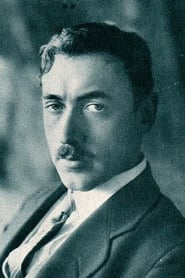
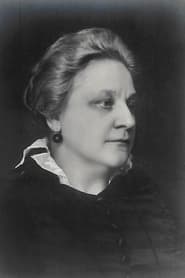
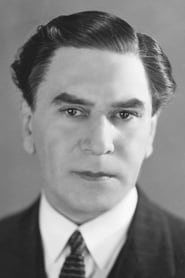
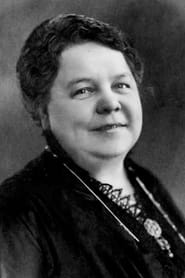
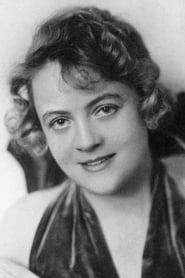
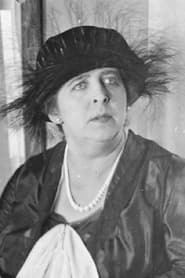
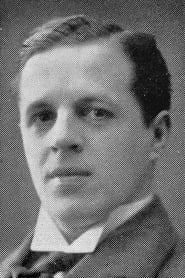
- The film stars Jenny Tschernichin-Larsson, Richard Lund, and Stina Berg, all names associated with Scandinavian silent-era screen acting.
- Because it is a 1916 silent film, there is no original synchronized soundtrack; any music heard today would be from later accompaniment or restoration practice.
- As with many early Swedish films, preservation status is uncertain in general public references, and the film may survive only in incomplete documentation or archival holdings.
- Mauritz Stiller was known for elegant staging and restrained performance direction, qualities that likely shaped the romantic and social tone of this film.
- The story’s use of a journalist going undercover as a maid provides an early cinematic example of role-disguise comedy tied to serious emotional consequences.
- The title itself signals a modern theme for the era: the tension between private life and public exposure, especially in the press.
What Critics Said
Contemporary critical coverage is difficult to summarize with confidence because detailed reviews have not been widely preserved in accessible modern references. In retrospect, the film is primarily discussed by historians as part of Mauritz Stiller's early development rather than as a landmark title in its own right. Modern assessment tends to emphasize its place within the growth of Swedish silent cinema and its appealing mixture of romantic comedy and moral drama. Where surviving commentary exists, films from this period are often praised for their restraint, visual clarity, and attention to character psychology, qualities strongly associated with Stiller's work.
What Audiences Thought
Specific audience-response data for Love and Journalism is not readily available, which is common for a 1916 silent film. As a Swedish domestic release, it would have been seen by audiences already accustomed to the styles of local studio production and the rising prestige of Scandinavian cinema. The story's blend of disguise, romance, and ethical dilemma likely made it accessible to contemporary viewers, especially those drawn to melodramatic and socially observant narratives. No reliable box-office records survive in standard sources, so its commercial performance cannot be stated with certainty.
Film Connections
Influenced By
- Contemporary Scandinavian stage melodrama and comic romance traditions
- Early 20th-century journalism-themed social dramas
- The evolving realism of Swedish silent cinema under Mauritz Stiller
This Film Influenced
- null
You Might Also Like
More Comedy Films
View allMore from Mauritz Stiller
View allFilm Restoration
The survival status is uncertain in standard public references. The film is not widely known as a readily circulating restored title, and accessible source material suggests that documentation is limited. It may survive in an archive, an incomplete copy, or only in fragmentary form, but no broadly cited restoration record is commonly associated with it.