1911 · Approximately 10 minutes

Also available on: YouTube
The Manicure Lady

The Manicure Lady

1911 Approximately 10 minutes United States
Class aspirationRomantic rejectionFlirtation and courtshipSocial statusComic humiliation

Plot

The film centers on a manicure lady who prefers the attention of a wealthy, stylish young man over the affection of a barber who sincerely admires her. The barber tries to win her favor through conventional courtship, but she is dazzled by the apparent glamour and financial promise of the rich cad. As the title's comic premise plays out, the barber is left to contend with rejection while the manicure lady chases social aspiration and romance. The story is extremely simple, built as a short comic sketch around flirtation, class aspiration, and the humiliations of romantic rivalry.

About the Production

Release Date 1911
Production Biograph Company
Filmed In United States

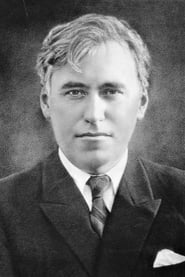
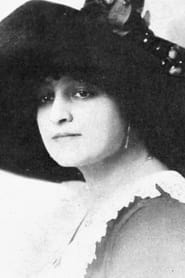
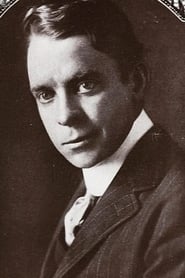
This is an early one-reel silent comedy made during the formative years of Mack Sennett's career, before he became widely known as a major comedy producer. As with many Biograph-era shorts of 1911, the film was produced quickly, with a simple premise, minimal intertitles, and performance-driven comedy rather than elaborate staging. Surviving documentation on the production is sparse, and detailed records such as budget, box office, or exact shooting locations are not known. The cast included Sennett himself along with Vivian Prescott and Edward Dillon, all associated with early Biograph productions and the transitional period from stage-like filmmaking to more kinetic screen comedy.

Historical Background

In 1911, American cinema was still dominated by shorts, with films commonly running one reel or less and narrative clarity emerging as a central craft. Mack Sennett was working at Biograph during the same general era in which D. W. Griffith was helping standardize film grammar and narrative pacing, and directors were learning how to build scenes around readable action and expressive performance. Socially, the film reflects a period fascinated by urban modernity, labor, fashion, and class aspiration, all of which became recurring subjects in early American comedy. The manicuring profession, the barber shop, and the figure of the wealthy cad all speak to a popular comic vocabulary rooted in city life and changing consumer culture.

Why This Film Matters

Although not a famous surviving landmark, the film is culturally significant as part of Mack Sennett's early body of work and the broader development of American screen comedy. It shows how early silent films transformed everyday social situations into compact comic narratives, paving the way for the more elaborate slapstick style Sennett would later popularize. The romantic competition between a working man and a wealthier rival also reflects enduring comedy formulas about class, aspiration, and disappointment. For historians, it is valuable as an example of pre-Keystone comedy in its more restrained, transitional form.

Making Of

Very little detailed behind-the-scenes documentation survives for this specific short, which is typical of many Biograph productions from the period. What is known is that it was made during a phase when Mack Sennett was still developing the comic instincts that would later define his Keystone output: brisk pacing, social caricature, and comic conflict based on desire and embarrassment. The production almost certainly relied on the stock-company method common at Biograph, with a small group of familiar performers working efficiently on modest sets or location-like exteriors. Since the film predates the elaborate slapstick chaos of later Sennett comedies, its humor would have been more restrained and situational, built around a simple romantic triangle.

Visual Style

The film likely employed the straightforward static camera style typical of early 1911 studio comedies, with action staged in front of the camera in a theatrical but increasingly cinematic manner. Early Biograph productions often emphasized clear composition, readable gesture, and economy of setup rather than complex camera movement. Because the picture is a short comic sketch, the cinematography would have served to keep the gag legible and the performer relationships visually obvious. There is no evidence of elaborate visual experimentation, but the film belongs to the period when filmmakers were refining shot continuity and performance for comedic effect.

Innovations

There are no known major technical innovations associated specifically with this film. Its significance is instead historical: it represents early studio comedy at a time when filmmakers were standardizing comic timing, actor movement, and visual storytelling in short-form cinema. The film belongs to the period before later Sennett productions pushed slapstick toward faster motion, bigger ensembles, and more elaborate chase comedy. As such, its technical interest lies in its place within the evolution of early narrative comedy rather than in a single standout effect or invention.

Music

As a silent film, it had no synchronized recorded soundtrack. Exhibition would have been accompanied by live music, often provided by a theater pianist or small ensemble, chosen to match the tone of the venue and the comic action on screen. No original cue sheet is known to survive for this title. Any modern screenings would typically use a reconstructed or improvised silent-film accompaniment.

Memorable Scenes

  • The central comic setup in which the manicure lady openly favors a rich admirer over the devoted barber.
  • The barber's awkward attempts to win her attention while the richer rival seems to offer greater glamour and status.
  • The final romantic slight that leaves the barber rejected, completing the film's simple class-based punchline.

Did You Know?

  • This film is one of several very early shorts directed by Mack Sennett before he became the famous 'King of Comedy' associated with Keystone.
  • The title reflects a common 1910s comic type: the working woman whose romantic choices are played for class-based humor.
  • The known cast list includes Mack Sennett himself, which was common in early film production when directors often appeared in their own films.
  • Edward Dillon and Vivian Prescott were both regular faces in the Biograph stock company of the period.
  • Like many 1911 comedies, the film was likely photographed and released as a single-reel short rather than a feature-length narrative.
  • The surviving plot description is extremely brief, suggesting that the film was a compact gag-driven piece rather than a complex story.
  • Early Sennett comedies often depended on recognizable social types and quick visual setups instead of sustained characterization.
  • The film is an example of how silent-era comedies frequently turned everyday occupations and urban romance into sketch comedy.
  • Because it dates from 1911, it belongs to cinema's pre-feature era, when short films were the dominant commercial format.

What Critics Said

Contemporary reviews are difficult to verify for this specific title, and detailed surviving criticism is limited. Like many Biograph one-reel comedies, it was likely received as a light, disposable amusement rather than as a major prestige item, since early film culture often treated shorts as brief entertainments for mixed programs. Modern assessment is largely archival and historical: scholars view it less as a canonical comedy than as an early step in Sennett's career and a document of evolving screen humor. Its importance today lies primarily in film history rather than in widespread critical reputation.

What Audiences Thought

Direct audience response records are not known to survive for this short. At the time of release, films of this type were designed for broad, immediate appeal, using recognizable characters and a straightforward comic situation that could be grasped quickly by nickelodeon audiences. It is reasonable to infer that it functioned as a modest crowd-pleaser within a mixed program of shorts, news items, and dramas. Today, its audience is largely scholars, archivists, and silent-film enthusiasts interested in early comedy and the work of Mack Sennett.

Film Connections

Influenced By

  • Early Biograph one-reel comedies
  • Vaudeville sketch humor
  • Urban farce and social satire

This Film Influenced

  • Later Mack Sennett Keystone comedies
  • Silent romantic comedies built around class-based misunderstandings
  • Early American slapstick shorts

Film Restoration

Preservation status is uncertain from available information; no readily verifiable preservation or restoration record could be confirmed for this specific title. As an early 1911 short, it may survive only in fragmentary form or as a title listed in archival catalogs, but a definitive surviving print is not documented here.

Themes & Topics

manicure ladybarberrich cadromantic rivalrysilent comedyclass humor