1930 · approximately 98 minutes

Also available on: Wikimedia
Mammy

Mammy

1930 approximately 98 minutes United States

"Al Jolson in his latest talking and singing sensation!"

Show business and performance identityRomantic rivalry and misunderstandingBackstage entertainment cultureCelebrity persona and audience appealTheatrical tradition versus cinematic storytelling

Plot

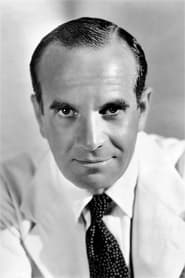
Mammy follows Al Jolson as Joe, the star performer in a traveling minstrel show that moves from town to town across the United States. While working with the troupe, he falls in love with a young actress, played by Lois Moran, though her heart belongs to another man, played by Lowell Sherman. The story blends backstage romance, show-business rivalry, comic misunderstanding, and musical performance as the troupe continues its road engagements. When Sherman’s character is accidentally shot onstage during a comedy routine, the aftermath leads others to suspect Joe, creating a final stretch of melodramatic tension before the romantic and comic threads are resolved.

About the Production

Release Date 1930-10-11
Production Warner Bros.
Filmed In Los Angeles, California, USA, Warner Bros. Studios, Burbank, California, USA

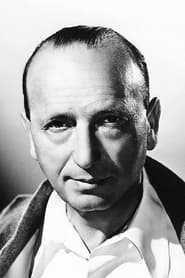
Mammy was produced during the early sound era, when Warner Bros. was closely associated with Al Jolson’s film vehicles and with backstage-musical entertainment designed around his stage persona. The film was directed by Michael Curtiz, who was already proving adept at handling large studio productions and efficient sound-stage staging in the transition from silent to sound cinema. Like many early talkies, it was built around vocal performance, theatrical dialogue, and filmed musical numbers rather than fluid camera movement, because recording equipment and studio sound practices still imposed strict limits on mise-en-scène. The film also reflects the studio-era practice of tailoring vehicles to a star’s established identity, in this case Jolson’s vaudeville/minstrel image, which was a major commercial draw in 1930.

Historical Background

Mammy was released in 1930, right at the beginning of the Great Depression, when Hollywood was trying to prove that sound cinema could sustain audiences through spectacle, music, and star appeal. It belongs to the first wave of all-talking and all-singing features, a period when studios were still learning how to make musicals cinematic rather than simply filmed stage performances. The film also emerged from an entertainment culture in which blackface, minstrel imagery, and ethnic caricature were still normalized in mainstream American show business, a reality that is essential to understanding both the film’s original popularity and its later disrepute. Historically, it is significant as a document of early talkie production practices and of the popular tastes that shaped Warner Bros.’ early sound strategy.

Why This Film Matters

Mammy is important today less as a beloved canonical musical than as a revealing artifact of early Hollywood’s sound-era entertainment economy and its racial politics. It demonstrates how major studio products of the period routinely fused popular music, backstage romance, and minstrel-show performance in ways that were commercially mainstream but culturally exclusionary. The film is often cited in discussions of Al Jolson’s screen persona and the persistence of blackface aesthetics in American mass entertainment well into the sound era. For historians, it offers a clear example of how early sound cinema preserved theatrical traditions that later generations would reject, making it a useful text for studying the intersection of film history, performance history, and racial representation.

Making Of

Mammy was made at a moment when Warner Bros. was still refining its sound-production methods and depended heavily on stage-trained talent who could deliver spoken dialogue and songs clearly to primitive recording equipment. Al Jolson’s presence was crucial: he was one of the studio’s most bankable early sound stars, and the film was designed to capitalize on his popularity as a singer-performer with a familiar stage persona. Michael Curtiz, who would later become famous for his versatility and technical discipline, worked within the constraints of the early microphone era, where sets, blocking, and camera placement had to accommodate static recording needs. The film also illustrates the studio system’s willingness to build entertainment around variety-show routines, minstrel-show nostalgia, and Broadway-like backstage storytelling, even when those elements are now viewed as culturally objectionable. Its production reflects the transitional nature of 1930 Hollywood: still close to vaudeville and stage traditions, but increasingly using cinema as a vehicle for packaged star performance.

Visual Style

The cinematography is characteristic of early sound filmmaking, with relatively static framing and staging designed to preserve clear dialogue and musical recording. Rather than fast camera movement or elaborate editing, the film relies on medium shots, proscenium-like compositions, and performance-centered blocking that keeps Jolson and the stage action visually legible. This approach is typical of early Warner Bros. talkies, where sound technology strongly influenced how scenes were photographed. The result is less visually dynamic than later musicals, but it serves as a valuable example of how cinematography adapted to sound-era constraints.

Innovations

Mammy is not known for radical technical innovation, but it is historically notable as an early sound feature from Warner Bros. that demonstrates the studio’s competence in synchronized dialogue and song recording during a transitional period. Its achievement lies in its efficient adaptation of a stage-oriented entertainment format to the talking-picture medium. The film illustrates how studios solved early sound problems through controlled staging, limited camera movement, and carefully arranged performance spaces. In that sense, it represents a technically important step in the normalization of the sound feature, even if it is not a landmark of innovation in the modern sense.

Music

As a Jolson vehicle, the soundtrack is central to the film’s identity, built around his singing and stage performance rather than orchestral underscore in the modern sense. The picture reflects the early sound era’s emphasis on numbers that could showcase a star’s voice, stage delivery, and persona, often with songs presented in a relatively straightforward filmed-theater style. Because sound technology was still developing, musical recording and balance were important production concerns, and the film’s sequences are shaped by the need for clarity over complexity. The soundtrack is therefore significant as an artifact of early 1930s recording practice as well as of Jolson’s performance style.

Famous Quotes

I have not found a reliably sourced, widely cited surviving quotation from the film that can be confirmed with confidence.
Because the film is an early sound production with multiple dialogue and musical passages, most modern references focus on its performances rather than a single famous line.

Memorable Scenes

  • Jolson’s performance moments with the traveling minstrel troupe, where the film showcases the star’s singing and stage charisma.
  • The romantic passages between Jolson, Lois Moran, and Lowell Sherman that frame the show-business plot with a conventional love-triangle structure.
  • The onstage comedy routine in which Lowell Sherman’s character is shot as part of the act, triggering the film’s mistaken-culprit storyline.
  • The ensemble traveling-show sequences that emphasize the road-life atmosphere of early sound-era stage melodramas.

Did You Know?

  • Mammy is one of several early sound-era Al Jolson vehicles made after the success of The Jazz Singer and related Warner Bros. star vehicles.
  • Michael Curtiz, who later became one of Warner Bros.' most important directors, handled the film’s staging during the difficult early talkie period.
  • The film is notable today for featuring minstrel-show material that reflects period entertainment practices but is now widely regarded as racially offensive and historically problematic.
  • The picture mixes backstage melodrama with comedy and musical performance, a common template for early sound musicals that showcased performers more than narrative complexity.
  • Lois Moran and Lowell Sherman appear in the romantic subplot that gives the film a conventional love-triangle structure beneath the performance framework.
  • As with many early Warner Bros. musicals, the soundtrack and performance numbers were central attractions for contemporary audiences more than the plot itself.
  • The film belongs to the transitional period when Hollywood was still experimenting with how to integrate sound, song, and dialogue naturally on screen.
  • Because of the historical context of blackface/minstrel performance, Mammy is often discussed in film-history contexts as an example of the problematic representation common in mainstream American entertainment of the era.
  • The title itself references a racially loaded term that was common in the period but is now considered deeply offensive.
  • The film survives and is available in archival and home-video contexts, unlike many lost early sound films from the same era.

What Critics Said

Contemporary reception was generally tied to Jolson’s star appeal and the novelty of hearing him sing and perform in a feature-length talking picture, though critical notices from the period often treated such films as vehicles rather than artistry. Modern critical assessment is much harsher regarding the film’s racial imagery and minstrel-show framework, which dominate any evaluation of its entertainment value. Film historians typically view it as an instructive but deeply problematic example of early sound-era musical production. Its reputation today is therefore mixed: historically interesting, artistically secondary, and culturally troubling.

What Audiences Thought

Audiences in 1930 were likely drawn primarily by Al Jolson’s popularity, the promise of familiar songs, and the novelty of sound spectacle at a time when talking pictures still felt new and impressive. Early sound audiences often responded enthusiastically to films built around celebrity performance, and Mammy fit that pattern by foregrounding Jolson’s stage persona. In modern times, general audience appeal is limited, and contemporary viewers often approach it mainly through film-history interest or archival curiosity. Its reception today is heavily shaped by discomfort with its minstrel-show content and old-fashioned performance conventions.

Film Connections

Influenced By

  • Vaudeville performance traditions
  • Minstrel show stage entertainment
  • Broadway backstage musicals
  • Al Jolson stage acts
  • Early Warner Bros. sound musicals

This Film Influenced

  • Later backstage musicals that centered on star performers
  • Subsequent Al Jolson sound vehicles
  • Early 1930s studio musicals built around variety performance

Film Restoration

The film survives and is preserved in archival circulation; it is not considered lost.

Themes & Topics

traveling minstrel showlove trianglebackstage romanceaccidental shootingfalse accusationsong performance